TV has always had one big problem for e-commerce brands.
People believed it could build awareness. They believed it could make a brand feel bigger. They believed it could put a company in front of a much wider audience than paid social ever could. But when it came time to answer the question that performance teams care about most, things got fuzzy fast.
What did the ad actually do?
Did it bring in new customers? Did it lift purchases? Did it improve blended performance? Did it deserve more budget next month, or was it just another expensive channel that looked good in a recap deck?
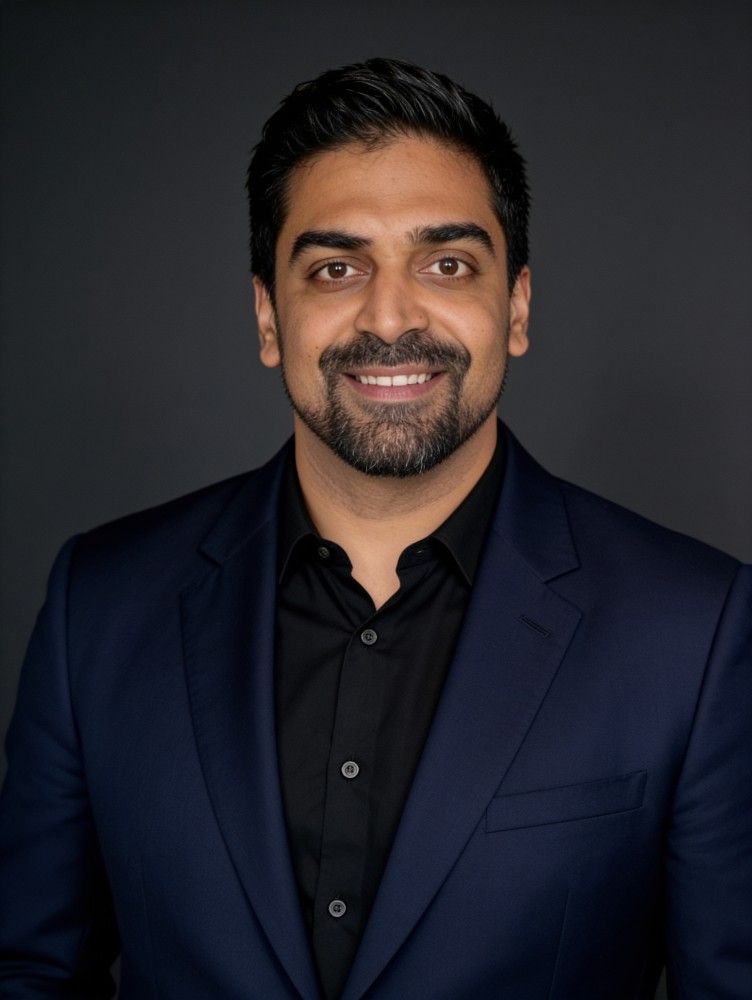
That gap between visibility and proof is exactly where Herman Yang’s thinking stands out. Through Upscale AI, he is pushing a version of streaming TV that feels far more accountable to the people running modern e-commerce growth. Instead of treating TV like a channel that lives on brand vibes and broad reach, his approach leans into a different standard: if performance-focused teams are going to spend on TV, they need clearer attribution, better creative feedback, and a more honest view of whether the channel is actually moving revenue.
That matters because e-commerce teams do not operate like old media departments. They are used to dashboards, testing, budget shifts, and channels that can be measured at a much deeper level. If TV wants a real place in that mix, it has to earn it.
Why TV Attribution Has Been a Frustrating Problem for E-commerce Teams
For a long time, TV sat in a strange category.
It was powerful enough to get attention, but hard enough to measure that many growth teams treated it as a luxury. Big brands could afford that tradeoff. They had wider budgets, longer time horizons, and less pressure to connect every campaign directly to an order.
E-commerce brands usually do not have that luxury.
They live closer to the numbers. A channel is not just interesting because it reaches people. It needs to show some kind of path to outcomes that matter, whether that means efficient customer acquisition, stronger repeat purchase behavior, or better total revenue performance across the mix.
That is why TV often felt out of step with the rest of performance marketing. On paid social, search, or email, teams are used to making decisions quickly. They can test creative, watch conversion trends, compare costs, and shift budget without waiting for a vague story about “lift” that never gets specific enough to act on.
TV traditionally asked marketers to be more patient and more forgiving. Spend the money, trust the process, and assume the halo effect is there.
For performance-focused e-commerce teams, that has never been a satisfying answer.
Streaming changed some of that. Connected TV opened the door to sharper targeting, more flexible buying, and stronger digital infrastructure around campaign delivery. But better distribution alone does not solve the real problem. The bigger issue has always been measurement. It is one thing to put an ad in front of the right audience. It is another to understand what happened next, how much of it was incremental, and whether the campaign deserves another dollar.
That is the space Herman Yang appears to be attacking. Not by pretending TV should behave exactly like paid social, but by pushing it much closer to the standards that performance marketers already expect.
What Performance Marketers Actually Want From TV Measurement
Performance teams are not looking for prettier reporting. They want better decision-making.
That starts with seeing more than top-line delivery metrics. Impressions, views, and reach can be helpful context, but they are not enough on their own. A growth team wants to know whether exposure translated into site visits, purchases, customer quality, and return on spend.
They also want measurement that matches the way e-commerce businesses actually operate.
That means understanding order-level behavior, not just campaign-level summaries. It means looking at customer type, because a sale from an existing customer and a sale from a new customer do not mean the same thing. It means tracking purchase patterns closely enough to separate genuine performance from reporting that makes every channel look better than it really is.
That is where the idea of better TV attribution becomes more practical than flashy. Good measurement is not about making the channel look magical. It is about making it honest enough to manage.
Herman Yang’s framing around TV feels rooted in that mindset. The goal is not to revive TV with better storytelling about reach. The goal is to make streaming TV usable for brands that think in terms of CPA, ROAS, creative iteration, and budget efficiency.
That is an important difference.
When a founder or growth leader says they want TV to work, they usually do not mean they want more awareness in the abstract. They mean they want a channel that can slot into the same budget conversation as Meta, Google, YouTube, affiliate, and retention. They want to know what role it plays, what kind of buyer it helps bring in, and whether it improves the overall economics of growth.
Without that, TV stays in the experimental bucket.
With that, it starts to feel like a serious part of the acquisition mix.
How Upscale AI Is Trying to Shift the Conversation
Upscale AI’s pitch is not built around a single feature. What makes the company interesting is that it connects three parts of the problem that are often handled separately: creative production, media execution, and measurement.
That combination matters more than it may seem at first.
A lot of ad channels fall apart because teams can only improve one piece at a time. They may get better reporting, but still move too slowly on creative. They may launch faster, but have weak attribution. They may have solid data, but no easy way to turn what they learn into stronger next-round campaigns.
The logic behind Upscale AI appears to be that performance TV works better when those loops are tighter.
If creative can be produced faster, campaigns can be tested more often. If media buying is more flexible, brands can respond faster to what is or is not working. If attribution gets closer to real e-commerce outcomes, teams can judge the channel with more confidence instead of relying on guesswork.
That is a much more performance-native way to think about TV.
It also reflects Herman Yang’s background. He comes from ad tech and performance advertising rather than traditional brand media. That matters because founders tend to build toward the problems they understand deeply. A person shaped by performance marketing is naturally going to look at TV differently than someone coming from classic broadcast buying.
Instead of asking how to preserve TV’s old strengths, the better question becomes how to rebuild the channel for the needs of modern growth teams.
That seems to be the real bet behind Upscale AI.
Why Attribution Sits at the Center of the Whole Model
Attribution is not just one feature in this story. It is the thing that makes the rest of the model believable.
Without stronger attribution, faster video production is interesting but incomplete. Programmatic buying is promising but harder to trust. AI-driven optimization sounds impressive, but it is difficult to judge whether the system is improving the business or just generating more activity.
Attribution is what tells a brand whether the rest of it is working.
That is why Herman Yang’s perspective matters so much for e-commerce teams. He is not talking about TV as a prestige channel that sits outside normal performance rules. He is part of a broader shift that says streaming TV has to become measurable enough for operators to use it like a real growth lever.
That means judging campaigns through the metrics teams already care about. Cost per visit matters. Purchases matter. CPA matters. ROAS matters. The difference between new and current customers matters. Product and purchase insights matter because they help brands understand not just whether someone converted, but what that conversion looked like.
Once those signals are visible, TV becomes easier to evaluate against other channels.
That does not mean attribution becomes perfect. No serious operator believes every channel can be measured with total precision. But there is a big difference between imperfect measurement and weak measurement. Brands do not need a fantasy version of certainty. They need enough clarity to compare, test, and optimize with confidence.
That is a much more realistic goal, and a much more useful one.
The Real E-commerce Angle Behind Herman Yang’s Approach
It is easy to talk about streaming TV in broad terms, but the sharper story is really about e-commerce teams that have already matured beyond a one-channel growth strategy.
These brands know what it looks like when paid social gets crowded. They know what happens when acquisition costs climb and creative fatigue shows up faster than it used to. They know the danger of relying too heavily on one platform, especially when performance can shift with auction pressure, platform changes, or creative burnout.
That is why a more measurable form of TV becomes attractive.
Not because brands suddenly want to act like legacy advertisers, but because they want another scalable place to find demand without giving up the accountability they are used to.
That is where Herman Yang’s message feels well-timed. He is not trying to sell TV as a nostalgic return to an older media model. He is positioning it as a modern channel that can finally serve the needs of performance-oriented brands, especially those that want broader reach without stepping into a measurement black hole.
For e-commerce teams, that changes the conversation.
TV stops being the thing you try only after becoming a household name. It starts to look more like a channel that growth-stage brands can test earlier, provided the measurement is strong enough and the feedback loops are fast enough.
That last part matters. A channel is far easier to scale when the learning cycle is short. If you can see what is happening, refresh creative without huge delays, and understand how results connect back to purchases, the risk of testing TV goes down.
And when the risk goes down, adoption usually goes up.
Why Incrementality Matters More Than Inflated Attribution
One of the biggest problems in modern marketing is that too many channels want credit for the same conversion.
Every platform tries to make its own case. Every dashboard highlights its own value. Every attribution model can be tuned in ways that make performance look stronger than it really is.
That is exactly why incrementality matters.
A serious performance team does not just want to know whether a sale happened after an ad was shown. It wants to know whether the ad helped create an outcome that likely would not have happened otherwise, or at least not in the same way.
That is a healthier standard for TV.
It keeps measurement grounded. It pushes the conversation beyond vanity reporting. And it helps brands think more clearly about the role streaming TV is actually playing in the wider mix.
Herman Yang’s public positioning around outcomes instead of vanity metrics fits neatly with this way of thinking. Brands that care about efficient growth do not need a channel that takes oversized credit. They need a channel that proves real contribution.
That is a harder promise to make, but it is also the one that performance-focused e-commerce teams are much more likely to trust.
How Better Measurement Can Change Creative Decisions Too
One overlooked part of this topic is how attribution influences creative strategy.
When a team can connect better data to actual purchase behavior, creative stops being judged only on taste or broad engagement. It starts being judged by the role it plays in conversion, customer quality, and efficiency.
That creates a much stronger learning loop.
Instead of asking whether an ad simply looked polished, teams can ask better questions. Which message pulled stronger response from new customers? Which format helped improve site visits? Which offer translated into better downstream efficiency? Which audience responded to one creative angle but ignored another?
That is where TV starts to feel less static.
For years, TV creative was treated like a major production event. It took time, money, approvals, and a lot of commitment before brands even knew whether the message would land. A more performance-driven model changes that. It brings TV closer to the testing mindset that e-commerce teams already use elsewhere.
That shift may end up being just as important as better media buying.
If creative can move faster and measurement can connect more directly to purchases, the channel becomes easier to improve over time. That is when TV stops being a one-off experiment and starts becoming something operators can actually manage.
What E-commerce Operators Should Pay Attention to
For brands watching this space, the biggest takeaway is not that TV suddenly solves every growth problem.
It is that the rules around TV are changing.
The more streaming inventory expands, the more ad tech matures, and the more measurement connects directly to commerce data, the harder it becomes to dismiss TV as a channel built only for awareness.
That does not mean every brand should rush into it. It means operators should look more carefully at what kind of TV infrastructure they are evaluating.
They should ask whether the platform ties into the commerce stack in a meaningful way. They should ask whether reporting gets down to purchases and customer type. They should ask whether the channel can support faster creative refreshes rather than locking brands into slow production cycles. They should ask whether the measurement philosophy seems honest, especially around incrementality and real business outcomes.
Those questions matter more than any shiny promise around AI.
Because in the end, the point is not to make TV sound futuristic. The point is to make it useful.
That is why Herman Yang’s approach stands out. It is not centered on TV as spectacle. It is centered on TV as a channel that has to prove itself to operators who care about performance.
And for performance-focused e-commerce teams, that is exactly the kind of rethink the market has been waiting for.