Business insurance is one of those things most companies know they need, but very few feel confident about. The policies are long, the language is dense, the renewal process can feel rushed, and many business owners only discover the weak spots in their coverage when something has already gone wrong.
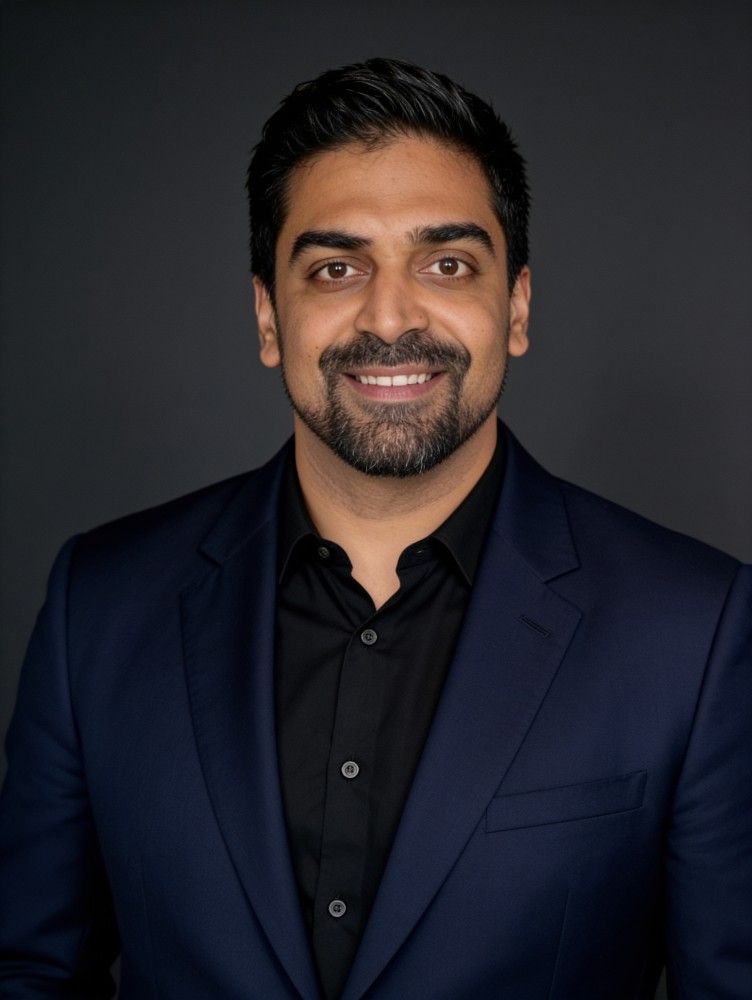
That is the problem JD Ross is taking on with WithCoverage.
Ross is not new to large, complicated industries. He is widely known as a co-founder of Opendoor, a company that helped bring a more technology-driven model to real estate. With WithCoverage, he is now focused on another old industry that affects nearly every growing company: commercial insurance.
The goal is not simply to sell policies in a cleaner digital wrapper. WithCoverage is trying to change how businesses understand, manage, and improve their insurance coverage over time. Instead of treating insurance as a once-a-year transaction, the company is positioning it as an ongoing part of risk management.
For companies that do not have their own in-house risk team, that shift matters. It gives leaders a better way to see what they are paying for, what risks are covered, where the gaps might be, and how their insurance should evolve as the business grows.
Who is JD Ross
JD Ross has built his career around industries where customers often deal with slow processes, unclear pricing, and outdated systems. His name is strongly tied to Opendoor, where he was part of the founding team behind one of the best-known attempts to modernize the home buying and selling experience.
That background helps explain why WithCoverage is not being built like a traditional insurance agency. Ross appears to be applying a similar founder mindset to commercial insurance: find a large market with deep customer frustration, study where the old model breaks down, then build a simpler and more transparent system around the customer.
Insurance is a natural fit for that kind of approach. Businesses depend on it, but the experience is often filled with friction. Companies may work with brokers, carriers, attorneys, finance teams, and operations leaders, yet still struggle to answer basic questions about coverage quality, cost, exclusions, claims, and renewals.
For Ross, the opportunity is not just about making insurance easier to buy. It is about helping companies make better decisions before risk turns into a costly problem.
What WithCoverage is trying to fix in business insurance
Many growing companies do not have a dedicated risk management department. Large corporations may have full teams that review insurance programs, negotiate with carriers, track claims, and watch for new areas of exposure. Smaller and mid-sized companies usually do not have that luxury.
Instead, they often rely on a traditional broker relationship. That broker may help place coverage, collect quotes, and manage renewals, but the experience can still feel confusing. Important details may sit across PDFs, email threads, spreadsheets, certificates, invoices, and policy documents.
This creates several problems.
A company may not know whether its coverage is actually strong enough for its operations. It may be paying for policies that no longer fit the business. It may have gaps that only become visible after a lawsuit, property loss, cyber incident, employee claim, customer dispute, or contract requirement. It may also have little clarity on whether its broker is truly aligned with lowering costs and improving coverage.
That is the gap WithCoverage is trying to close. The company is built around the idea that businesses need more than a broker who appears at renewal time. They need a team that can look closely at their risks, explain their coverage in plain language, and manage insurance as the company changes.
How WithCoverage makes insurance more transparent
Transparency is at the center of the WithCoverage story. In commercial insurance, transparency means more than showing a dashboard or sending a cleaner quote. It means helping a company understand what is covered, what is not covered, what it is paying for, and where the real risk sits.
WithCoverage uses technology and human expertise to make that process clearer. Its model brings together risk advisors, claims specialists, insurance experts, software engineers, and insurance attorneys. The company also uses AI-supported tools to help analyze policies, compare coverage, and identify issues that may be missed in a slower manual review.
That combination is important. Insurance is too complex to be solved by software alone, but it is also too manual to remain stuck in old workflows. A stronger model needs both: technology that can organize and analyze information quickly, and experts who can apply judgment to the details.
For a business, this can mean a clearer view of policy language, coverage limits, exclusions, claims history, certificates of insurance, billing, renewals, and risk exposure. Instead of chasing answers across scattered documents, the company can work through a more organized system.
The result is a more practical insurance experience. Leaders do not just receive a policy and hope it works. They get a better understanding of why certain coverage is needed, where money may be wasted, and what changes can reduce risk as the business scales.
JD Ross and the move from brokerage to risk management
A key part of the WithCoverage message is that the company is not trying to be just another insurance broker. It is trying to act more like a modern risk management team for ambitious businesses.
That distinction matters.
A broker-focused model often begins with buying coverage. A risk management model begins with understanding the business. What does the company sell? Where does it operate? What contracts does it sign? What kind of employees does it have? Does it handle sensitive data? Does it own property or inventory? Does it work with manufacturers, vendors, contractors, or customers in high-risk settings?
Those questions shape the insurance program. They also change over time. A young company may start with basic general liability, property coverage, workers compensation, or directors and officers insurance. As it grows, it may need cyber insurance, product liability, employment practices liability, international coverage, higher limits, more detailed claims support, or specialized policies tied to new markets.
This is where JD Ross and WithCoverage are trying to move the conversation forward. Insurance should not be treated as a static purchase. It should adjust with the business.
For fast-growing companies, that is especially valuable. Growth creates new exposure. Hiring more people, signing larger contracts, opening new locations, handling customer data, or entering regulated industries can all change the company’s risk profile. If insurance does not keep up, the business may look protected on paper while still carrying serious hidden risk.
The role of AI in WithCoverage
AI is part of the WithCoverage model, but the stronger story is not that AI replaces insurance professionals. It is that AI helps experienced teams work faster, see more detail, and give better recommendations.
Commercial insurance involves a large amount of information. Policies include definitions, exclusions, endorsements, limits, deductibles, conditions, and carrier-specific language. Businesses also have operational details that affect risk, from revenue and payroll to locations, contracts, claims history, customer profile, and industry exposure.
Reviewing all of that manually can take time. It can also lead to missed details, especially when documents are scattered and the process depends heavily on email. AI can help by scanning policy language, comparing options, flagging inconsistencies, and surfacing areas where the company may be overpaying or underprotected.
Still, the human layer remains essential. Insurance decisions often require context. A policy that looks cheaper may come with weaker language. A lower premium may create a claims problem later. A business may need coverage not because it is legally required, but because customers, lenders, investors, landlords, or partners expect it.
That is why WithCoverage pairs AI with people who understand insurance, claims, and legal risk. The technology helps make the process faster and more repeatable. The expert team helps turn the analysis into a smart risk plan.
Why transparency matters in commercial insurance
For many companies, insurance transparency directly affects money, trust, and business continuity.
If a company cannot clearly understand its policies, it may waste money on coverage it does not need. It may also miss coverage it badly needs. Both problems can be expensive. Overpaying drains cash. Being underinsured can threaten the company when a claim hits.
Transparency also helps leaders make better trade-offs. Every business has risk, and not every risk can be removed. But when leaders know where the exposure sits, they can decide whether to buy more coverage, improve safety procedures, change contract language, adjust vendor requirements, or accept a certain level of risk.
This is especially important for businesses that are scaling quickly. A fast-growing company may be focused on sales, hiring, operations, fundraising, product development, and customer service. Insurance can easily become a back-office task until something breaks. A more transparent system keeps risk visible before it turns into a distraction or financial shock.
In this sense, WithCoverage is not only competing on convenience. It is competing on clarity. That clarity can help founders, CFOs, operators, and legal teams feel more confident that the company is not blindly renewing policies it does not fully understand.
How WithCoverage supports companies as they grow
A business does not have the same insurance needs forever. A company with ten employees has a different risk profile than a company with hundreds. A local operator has different exposure than a company selling across multiple states. A software company, consumer brand, hospitality group, manufacturer, defense contractor, or healthcare-adjacent company may all need different coverage structures.
WithCoverage is built around that moving target. The company’s risk management approach is meant to support businesses as they scale, not just at the moment they buy a policy.
That support can include reviewing coverage, managing renewals, helping with claims, organizing certificates of insurance, tracking billing, comparing policies, and building a risk plan that adjusts as the company changes. Instead of starting from scratch every year, the business can work from a clearer picture of its insurance program.
This is where the platform element becomes useful. A digital system can give teams access to information that is often buried in inboxes. It can also help different stakeholders work from the same source of truth. That matters when a finance team needs cost visibility, a legal team needs contract coverage details, an operations team needs certificates, or leadership wants to understand the company’s total risk posture.
The more a business grows, the more valuable that organization becomes.
What makes JD Ross’s approach different
The most interesting part of JD Ross and WithCoverage is not simply that a tech founder entered insurance. It is the way the company is framing the problem.
Traditional insurance brokerage is often built around placement, commissions, and renewals. WithCoverage is framing the future around transparency, AI-supported analysis, expert guidance, and ongoing risk management.
That is a meaningful change in tone. It suggests the company sees insurance as a strategic function, not just a vendor relationship. For business leaders, that can make insurance feel less like paperwork and more like protection for the company’s future.
Ross’s previous work with Opendoor also gives this story a familiar pattern. Real estate and insurance are very different industries, but both involve high-value decisions, complex processes, and customers who often feel they lack control. In both cases, technology can create a better experience when it is used to reduce confusion, organize information, and make the transaction more understandable.
With WithCoverage, Ross is applying that kind of thinking to commercial risk. The company is betting that businesses want more visibility, better advice, and a cleaner relationship with the people managing their insurance.
WithCoverage funding and market momentum
Investor interest has helped bring more attention to WithCoverage. The company raised a major Series B round backed by names such as Sequoia Capital, Khosla Ventures, 8VC, and Crystal Venture Partners. That funding gives the company more room to expand its product, hire talent, and move into additional industry verticals.
The funding also shows how much opportunity investors see in modernizing commercial insurance. Insurance brokerage is a large market, but much of the customer experience still depends on manual processes, legacy incentives, and fragmented communication.
For WithCoverage, the market momentum comes from a clear message: businesses should not have to choose between expert advice and modern technology. They should be able to get both.
That message is likely to resonate with companies that already expect modern tools in finance, payroll, accounting, legal operations, sales, and HR. As more parts of the business become digital and data-driven, insurance is under pressure to catch up.
Why JD Ross and WithCoverage matter for the future of business insurance
JD Ross and WithCoverage matter because they are working on a problem that many companies feel but struggle to describe. Business insurance is necessary, but it has not always been easy to understand. Companies want protection, but they also want clarity. They want lower costs, but not at the expense of weaker coverage. They want expert advice, but they also want speed, organization, and transparency.
That is the opening WithCoverage is moving into.
By combining AI, insurance expertise, legal knowledge, claims support, and a digital platform, the company is trying to make risk management more accessible to businesses that previously had to rely on a traditional broker model. If it works, the impact could be bigger than a smoother renewal process. It could change how growing companies think about insurance from the start.
Instead of asking whether they have a policy, businesses may start asking better questions. Is the coverage right for our actual risk? Are we paying too much? Are there gaps we do not see? What happens if a claim comes in tomorrow? How should our insurance change as we grow?
Those are the questions a transparent insurance model should help answer.
For JD Ross, WithCoverage represents another attempt to rebuild a complicated industry around a better customer experience. For businesses, it offers a more modern way to manage protection, cost, and risk in one place.