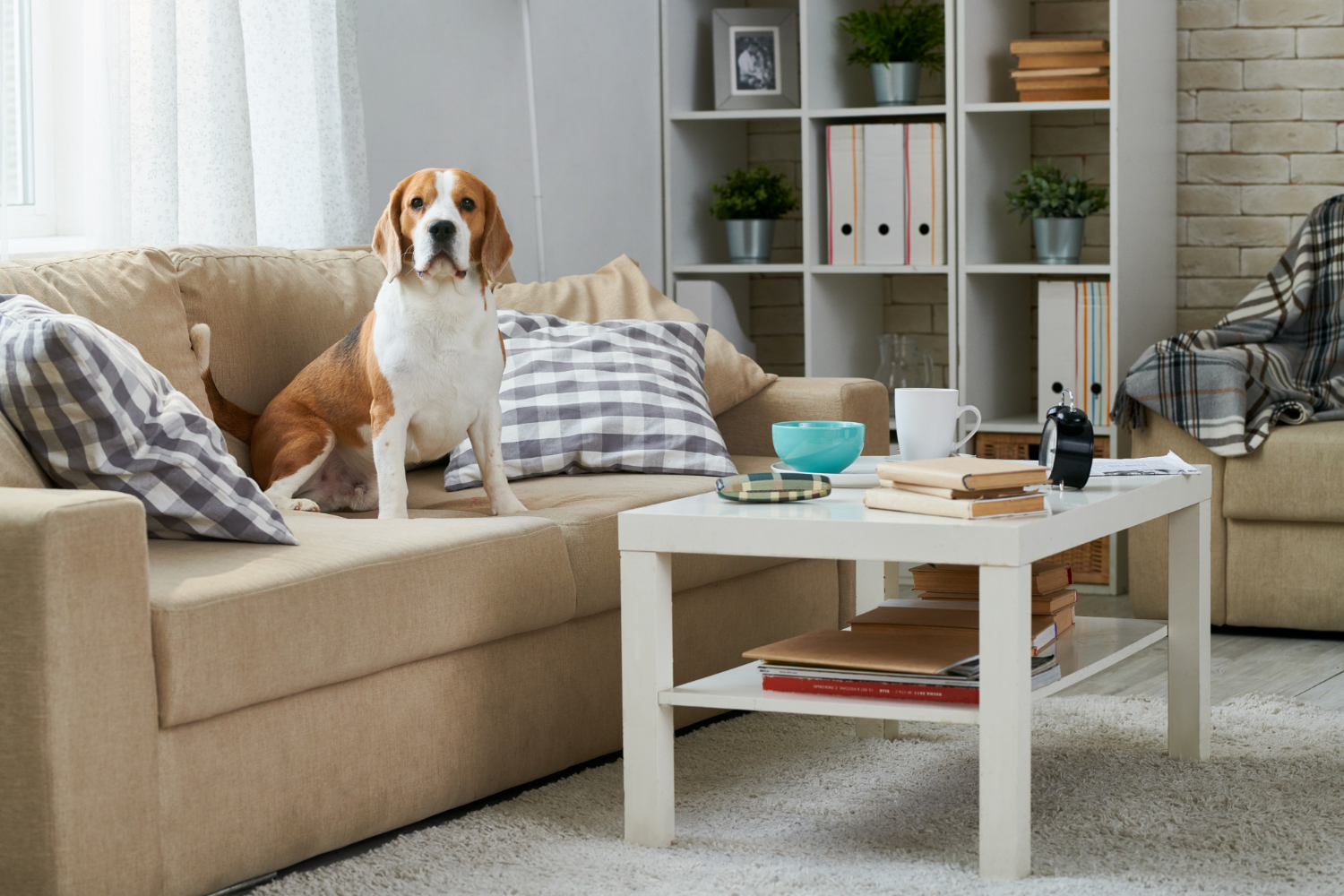
Most small dogs live 10 to 15 years, and many healthy toy and small breeds reach 16, 17 or older. That’s about one to three years longer than the typical large-breed dog. Where your dog lands in that range depends on its breed, genetics, weight, dental health and how early problems are caught.
Below you’ll find breed-by-breed lifespans, a dog-years chart built for small dogs, what to expect with the illnesses owners ask about most, and the habits that actually add time.
How long do small dogs live on average?
- Typical range: 10–15 years for dogs under about 20 pounds.
- Long-lived outliers: 16–20 years is uncommon but well documented, especially in Chihuahuas, Toy Poodles, Dachshunds and terrier mixes.
- Compared with big dogs: Large studies keep finding the same pattern. A widely cited U.S. analysis of about 169,000 dogs put the median for small dogs near 15 years, versus roughly 13.9 for medium dogs and 13.4 for large ones. A 2024 UK study of more than 584,000 dogs also found small breeds outliving large ones, with flat-faced breeds as the notable exception.
What the lifespan numbers really mean
Averages vs. your dog
A “median of 14 years” means half of dogs in that group died before 14 and half lived longer. It doesn’t predict any one dog. A well-bred Yorkie kept lean with clean teeth can easily beat its breed’s average. A Pug carrying 4 extra pounds with breathing trouble may fall short of it. Treat breed ranges as a starting point, not a forecast.
Why small dogs live longer
Across most mammals, bigger species live longer. Within dogs, it’s the other way around. The leading explanation is growth rate. Large breeds grow very fast in their first year, and that’s linked to higher cancer rates and earlier age-related decline. Small dogs grow more slowly, age more gradually and develop cancer less often. Researchers, including the ongoing Dog Aging Project, are still working out the biology behind it, but the size effect itself is consistent.
How long do small dogs live in human years?
The “multiply by 7” rule is a myth. Dogs mature very fast in their first two years and then age more steadily. Small dogs also age more slowly in later life than large dogs. This chart follows the size-based conversion vets commonly use for dogs under 20 pounds:
| Dog’s age | Approx. human equivalent (small dog) |
|---|---|
| 1 year | 15 |
| 2 years | 24 |
| 5 years | 36 |
| 8 years | 48 |
| 10 years | 56 |
| 12 years | 64 |
| 14 years | 72 |
| 16 years | 80 |
A simple rule of thumb: after age 2, add about 4 human years for each dog year.
Key facts: small dog lifespan by breed
Ranges vary somewhat by source. These reflect typical figures from breed clubs and veterinary references.
| Breed | Typical lifespan | Health issue to watch |
|---|---|---|
| Chihuahua | 14–17 years | Dental disease, heart valve disease, luxating patella |
| Toy Poodle | 12–18 years | Dental disease, eye disease (PRA), patella |
| Shih Tzu | 10–16 years | Breathing (brachycephalic), eye injuries, dental |
| Pomeranian | 12–16 years | Tracheal collapse, dental, patella |
| Dachshund | 12–16 years | Spinal disc disease (IVDD), obesity |
| Maltese | 12–15 years | Dental disease, liver shunt, heart valve disease |
| Yorkshire Terrier | 11–15 years | Tracheal collapse, dental, liver shunt |
| Pug | 11–15 years | Breathing, heat stroke, obesity, eye injuries |
| Cavalier King Charles Spaniel | 10–14 years | Mitral valve disease (very common), syringomyelia |
Two patterns are worth knowing. Cavaliers have an unusually high rate of early heart valve disease, so they tend to have the shortest lives among popular small breeds. Flat-faced breeds such as Pugs, Shih Tzus and French Bulldogs lose years to airway and heat problems, which is why they don’t always enjoy the small-dog advantage.
Life stages for small dogs
- Puppy: birth to about 9–12 months.
- Adult: 1 to about 7–8 years.
- Senior: usually from about 10 years old, though most vets begin senior screening at 7–8.
- Geriatric/end of life: often 13+ years, varying by breed.
What shortens a small dog’s lifespan
From most to least controllable: obesity, untreated dental disease, missed parasite prevention, falls and injuries (small dogs get stepped on, dropped or hurt jumping off furniture), being off leash near traffic, and genetics you can’t change, such as heart valve disease or liver shunts.
Living with common conditions: what to expect
These are typical ranges, not promises. Your vet’s staging and your dog’s response to treatment matter far more than any statistic.
How long can a small dog live with a heart murmur?
Often for years, and sometimes for the rest of a normal life. Most murmurs in older small dogs come from mitral valve disease, a slow leak in a heart valve. A murmur with no heart enlargement (ACVIM stage B1) may never progress to heart failure. If imaging shows the heart is enlarging (stage B2), the drug pimobendan has been shown to delay heart failure by more than a year on average. Ask for an echocardiogram or chest X-rays. A murmur grade alone doesn’t tell you how serious it is.
How long can a small dog live with congestive heart failure?
Once fluid builds up in the lungs, the outlook gets shorter. With medication, many dogs live about 6–14 months, and some well-managed dogs go two years or more. The most useful thing you can do at home is count your dog’s sleeping breathing rate. Consistently over 30 breaths per minute is a reason to call your vet that day.
How long can a small dog live with kidney failure?
It depends on the stage, using the IRIS system:
- Stage 1–2: often years with a kidney diet, hydration and monitoring.
- Stage 3: commonly months to a year or two.
- Stage 4: often weeks to a few months.
A prescription renal diet is one of the best-supported treatments in veterinary medicine. In studies, it has substantially extended survival.
How long can a small dog live with diabetes?
The first few months are the riskiest. A dog that gets through diagnosis and becomes well regulated on twice-daily insulin can often live a near-normal lifespan. The main long-term problem is cataracts, not lifespan. Consistent meals, consistent insulin timing and regular glucose curves make the difference.
How long can a small dog live with dementia?
Canine cognitive dysfunction usually progresses slowly, over months to a couple of years. Many dogs live comfortably with it for a long time. Watch for getting lost in familiar rooms, staring at walls, a flipped sleep-wake cycle, new accidents in the house and changes in how they interact with you. Enrichment, a predictable routine, diets with antioxidants and medium-chain fats, and medications such as selegiline can slow the decline. Dementia itself rarely ends a life. Quality-of-life decisions usually do.
When to talk about quality of life
Keep a simple calendar and mark good days and bad days. When bad days outnumber good ones, or your dog stops eating, can’t get comfortable or loses interest in the things they love, it’s time for a candid conversation with your vet.
How to help your small dog live longer
- Keep them lean. In a 10-pound dog, one extra pound is like 15+ pounds on a person. Measure food, count treats and skip the cookout scraps. Dishes like pasta salad often contain onion, which is toxic to dogs.
- Take dental care seriously. Small breeds have crowded teeth and get periodontal disease early. Brush daily if you can and schedule cleanings when your vet recommends them.
- Run senior bloodwork once a year from about age 7–8. Kidney, liver and thyroid changes show up in lab results long before symptoms do.
- Have the heart checked. Ask about murmurs at every exam, especially with Cavaliers, Chihuahuas and Maltese.
- Use a harness, not a collar, for Yorkies, Poms and other breeds prone to tracheal collapse.
- Protect their backs and joints. Use ramps or steps instead of jumps, especially for Dachshunds.
- Give daily walks and brain work. Sniff walks, puzzle feeders and short training sessions help keep cognitive decline at bay.
- Start with good genetics. Ask breeders for heart, patella and eye screening results, or adopt a mixed-breed small dog, which is often hardy.
Florida relevance: small dogs in a hot, humid state
Florida’s climate adds a few risks that matter more for small dogs:
- Heartworm is a year-round threat. Mosquitoes never fully go away here. Give prevention every month, all year, and test annually. In a small dog, even a few worms can cause serious damage.
- Fleas and ticks don’t take a season off either. Year-round prevention also protects against tick-borne diseases and flea-driven skin problems.
- Heat hits small and flat-faced dogs hardest. Walk at dawn or after sunset. Test pavement with the back of your hand for seven seconds, and if it’s too hot for you, it’s too hot for paws. Never leave a dog in a parked car.
- Plan for hurricane season. Keep two weeks of medication, vaccine records, a recent photo and a carrier ready. Confirm in advance which shelters along your evacuation route accept pets.
- Watch out for fireworks and holidays. July 4 sends many Florida dogs bolting, so check microchip details beforehand. If you’re planning around 4th of July closures, confirm your vet’s or the emergency clinic’s holiday hours too.
The bottom line: most small dogs give you 10 to 15 years, and the habits above can push yours toward the top of that range.
FAQs
What is the average lifespan of a small dog?
Most small dogs live 10 to 15 years, and large studies put the median at about 14 to 15 years. Many healthy toy breeds live to 16 or older.
What small dog breed lives the longest?
Chihuahuas, Toy Poodles and Dachshunds are among the longest-lived small breeds, often reaching 15 to 17 years and sometimes older. Small mixed-breed dogs also tend to live long lives.
How long do Shih Tzus live?
Shih Tzus typically live 10 to 16 years. Keeping them lean, managing heat and breathing problems, and staying on top of eye and dental care help them reach the upper end.
How long do Chihuahuas live?
Chihuahuas commonly live 14 to 17 years, and some reach 18 to 20. Dental disease and heart valve problems are their main health risks.
At what age is a small dog considered senior?
Small dogs are usually considered senior from about age 10. Most vets recommend annual senior bloodwork and heart checks starting at 7 or 8.
Do small dogs live longer than big dogs?
Yes, generally by one to three years. Large breeds grow faster and develop cancer and age-related disease earlier. Flat-faced small breeds such as Pugs are the main exception.