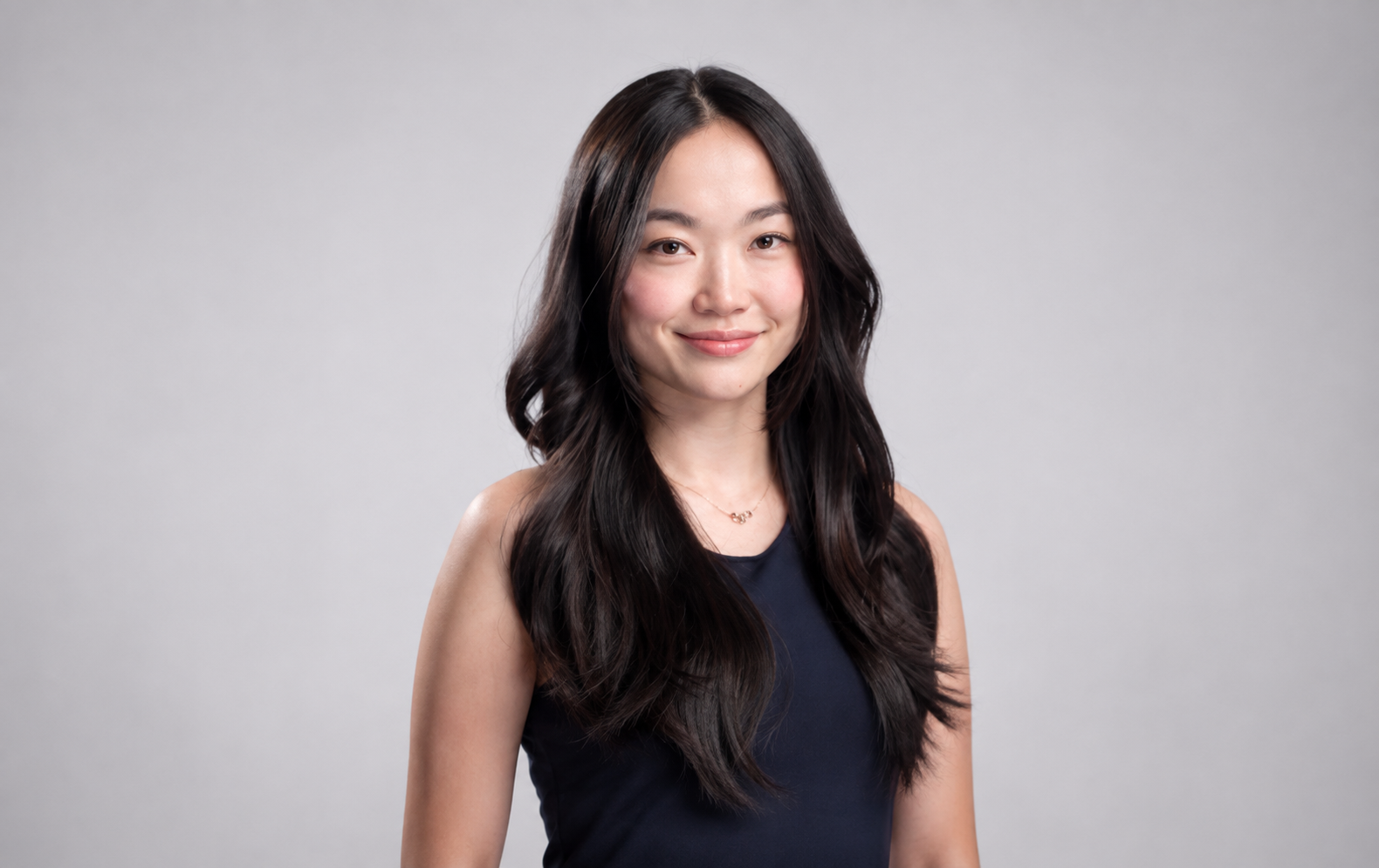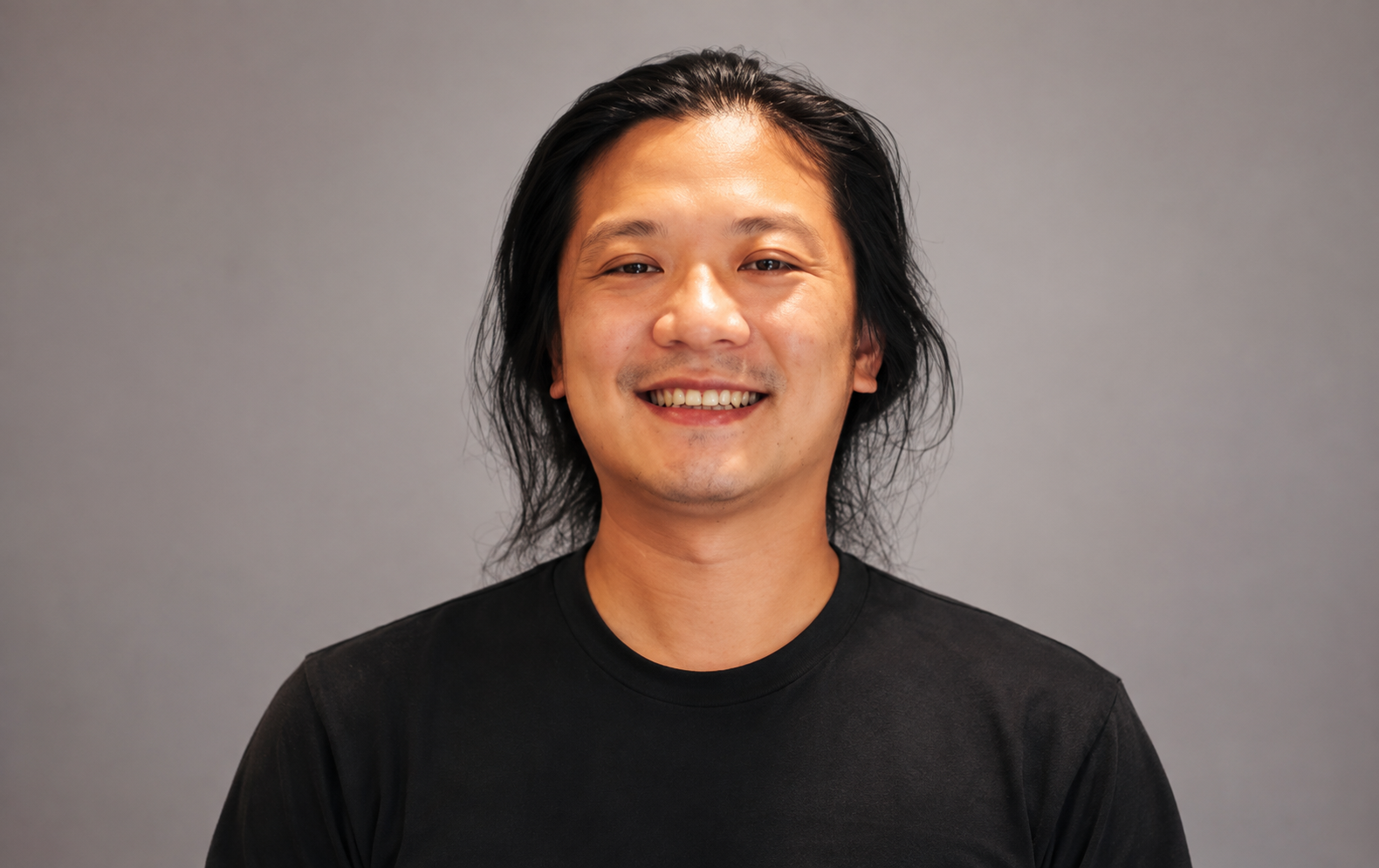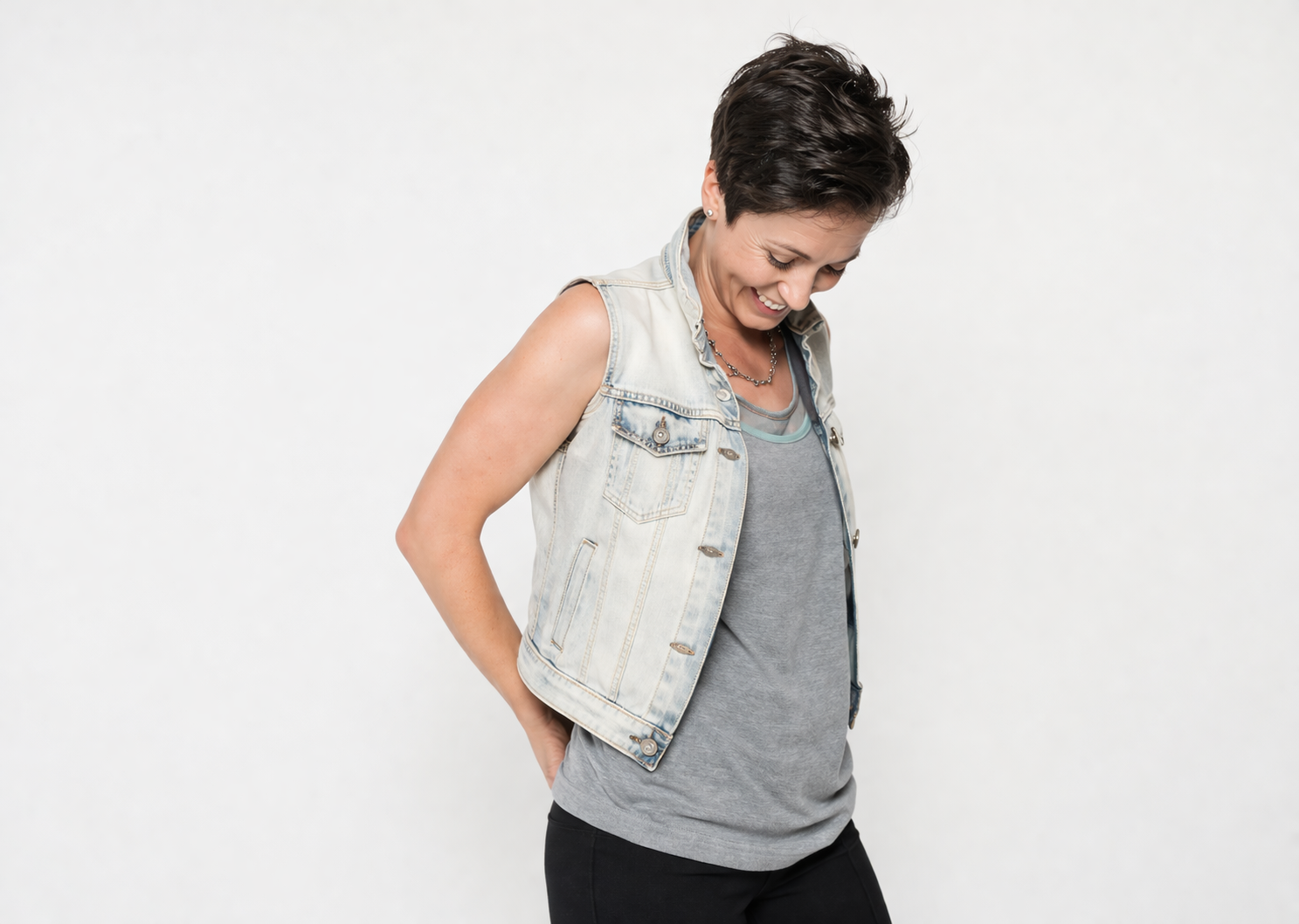
Rachael Rapinoe did not build Mendi from a distance. She built it from experience.
Before she became known as an entrepreneur, she was an athlete who understood the physical side of sport up close. She knew what it meant to train hard, compete seriously, deal with injuries, and search for recovery tools that actually made daily life easier. That lived experience gave her a different kind of foundation as a founder. She was not guessing what active people needed. She had lived the problem herself.
That is a big part of why Mendi stood out in a crowded wellness market. It was not framed as just another trendy CBD brand trying to ride a fast-moving category. It was presented as an athlete-focused recovery company built around pain support, stress relief, sleep, and better day-to-day recovery habits for people who put real demands on their bodies.
At a time when the sports wellness space was filling up with broad claims and generic branding, Rapinoe gave Mendi a clearer identity. She connected the brand to athlete recovery, personal credibility, and a more thoughtful conversation about how people manage pain and performance.
Who Rachael Rapinoe Is and Why Her Background Mattered
The story of Rachael Rapinoe and Mendi makes more sense when you look at where she came from first.
Rapinoe was a high-level soccer player long before she was a founder. She played at the University of Portland, where she developed in a serious competitive environment, and later played professionally, including time with Stjarnan Women in Iceland. Sports were not a side interest in her life. They shaped her routine, mindset, and understanding of what athletes go through when their bodies are constantly under pressure.
That matters because some wellness brands are created from market research alone. Mendi was not. Rapinoe came into business with firsthand knowledge of the physical and mental demands of competition. She knew how much recovery affects performance. She also understood how easily athletes can fall into a cycle where pain is normalized and rest is treated like a luxury.
Her perspective gave the brand something many companies spend years trying to manufacture. It gave authenticity.
Instead of speaking to athletes from the outside, Rapinoe could speak as one of them. That difference shaped the way Mendi was positioned, marketed, and understood.
How Injuries Helped Shape the Business Idea
Like many former athletes, Rapinoe’s relationship with recovery was shaped by injury.
Her own experience with pain, rehab, and prescription medication pushed her to think more seriously about what recovery support should look like. That personal struggle became one of the clearest forces behind Mendi’s creation. Rather than simply accepting the standard ways athletes were told to deal with soreness, sleep issues, and physical strain, she started looking for better options.
That search is what made the business idea feel real.
A lot of brands begin with a market gap. Mendi began with a lived gap. Rapinoe understood that many athletes wanted natural alternatives that fit into a recovery routine without feeling like a compromise. She also recognized that the conversation around wellness had started changing. More athletes were becoming open to plant-based wellness, better sleep habits, smarter recovery tools, and a broader view of performance that included both body and mind.
That gave Mendi a strong starting point. It was not built on a vague wellness promise. It was built on a founder’s personal understanding of pain management, recovery support, and the need for trusted products in an area where many people still had questions.
Why Mendi Focused on Athletes Instead of Everyone
One of the smartest things Rachael Rapinoe did was avoid making Mendi too broad.
She could have tried to position the company as a wellness brand for everyone. A lot of founders do that because it sounds bigger and safer. But broad positioning often makes a young brand easier to ignore. Rapinoe went in the opposite direction. She built Mendi around athlete recovery, active lifestyles, and people who cared deeply about performance, soreness, stress management, and sleep quality.
That focus gave the brand clarity.
It told customers who the brand was for. It also told the market what Mendi wanted to own. Instead of becoming another name in a crowded hemp-derived wellness category, the company pushed toward a more specific lane: recovery for athletes and highly active consumers.
That kind of niche branding matters. It helps with trust, product positioning, content strategy, and brand voice. It also makes a founder story more powerful because there is a clean line between the founder’s life and the customer’s needs.
In Mendi’s case, the connection was obvious. Rapinoe had lived the athlete lifestyle, felt the wear and tear, and understood why recovery was often treated as an afterthought. That made the brand message more believable from day one.
What Made Mendi Stand Out in the CBD Market
The CBD market grew fast, but fast growth usually brings noise with it. As more brands entered the space, it became harder for customers to tell the difference between serious companies and surface-level marketing.
That is where Mendi found its opening.
The brand did not try to win by being everything at once. It stood out because it built around a few strong ideas and stayed close to them. One was athlete credibility. Another was recovery education. Another was a cleaner, more focused brand identity tied to performance, stress relief, soreness, and sleep support.
That mix helped Mendi feel more intentional than many companies in the same category.
Rapinoe’s role also mattered here. Her background as a former professional soccer player gave Mendi a founder story that customers could quickly understand. She was not selling a product category she had just discovered. She was speaking from her own experience in sport, which made the company feel more grounded and more human.
In practical terms, that helped Mendi build consumer trust. In categories where people are cautious, trust is not a bonus. It is a core growth driver. Customers want to know why a brand exists, who it is for, and whether its message feels honest. Mendi benefited from having answers to those questions early.
How Rachael Rapinoe Built Visibility Around Mendi
A strong product category is not enough on its own. A founder still needs to create visibility, and Rapinoe was able to do that in a few smart ways.
First, she had credibility within the sports world. Her own athletic background gave her an entry point into conversations about fitness recovery, sports performance, and wellness entrepreneurship. She did not have to force a connection to that audience because she was already part of it.
Second, the wider recognition around the Rapinoe name brought more attention to the brand. That did not build Mendi on its own, but it helped open doors. Public familiarity can create an early awareness advantage, and Rapinoe used that visibility to keep the focus on recovery, education, and athlete wellness rather than empty hype.
Third, Mendi gained legitimacy through sports-related partnerships and ambassador relationships. When a recovery brand is able to show relevance inside an actual athletic environment, it becomes easier for customers to believe the positioning. The brand’s partnership with the Premier Lacrosse League was a strong example of that. It connected Mendi to a professional sports setting and reinforced the company’s identity as a recovery partner rather than just a lifestyle label.
This was important because modern consumers do not just respond to advertising. They look for signals of credibility. Partnerships, athlete ambassadors, and founder expertise all work as trust markers when they feel aligned.
Mendi’s brand growth benefited from that alignment.
Why Education Was a Big Part of the Brand
Another reason Mendi stood out was that it was selling more than products. It was also helping shape a conversation.
The brand entered a market where many people were still unsure about cannabinoids, hemp extract, and the role of CBD in recovery support. For athletes, the uncertainty could be even greater. They were not just asking whether a product looked interesting. They wanted to know whether it fit into training demands, post-workout recovery, stress management, and everyday wellness.
That meant education had real value.
Rapinoe’s story gave the company a natural way into that conversation. She could speak about recovery in a way that felt practical rather than overly polished. That made it easier for Mendi to position itself as a brand that understood soreness, sleep, inflammation, routine, and the pressure athletes put on themselves.
In a category that often felt cluttered, education helped the brand slow things down. It gave Mendi a more thoughtful tone and helped separate it from companies that relied too heavily on trend language.
The Challenges Behind Building Mendi
Of course, building a standout brand in this space was never simple.
The first challenge was category skepticism. Even as CBD wellness became more common, there was still confusion around what these products were, who they were for, and how they fit into a health-conscious lifestyle. That meant Mendi had to work harder than a typical consumer brand to earn trust.
The second challenge was competition. Once a category gets hot, it fills quickly. New brands appear, messaging starts to overlap, and customers are flooded with similar promises. In that kind of environment, brand differentiation becomes essential. Rapinoe had to make sure Mendi was not just seen as another name on the shelf.
The third challenge was balancing mission with commercial growth. Mendi had a purpose-driven side rooted in better recovery conversations and natural wellness solutions, but mission alone does not build a durable brand. A company still has to translate its values into product demand, repeat customers, and a clear market position.
That balancing act is hard for almost every founder. It is especially hard in a category where the customer journey still involves education, trust-building, and skepticism.
What Entrepreneurs Can Learn From Rachael Rapinoe and Mendi
There are several useful lessons in the way Rachael Rapinoe built Mendi.
Build from lived experience
One of the clearest advantages in Rapinoe’s story is that the company came from something real. Founders do not need dramatic personal stories to succeed, but it does help when the business is connected to a problem they genuinely understand. That usually leads to sharper messaging, better positioning, and a stronger founder voice.
Choose a niche and stay clear about it
Mendi worked because it did not try to serve everyone. It chose sports recovery, active recovery, and athlete wellness as its lane. That made the brand easier to understand and easier to remember.
Trust matters more in misunderstood categories
In any market where customers are cautious, trust becomes part of the product. Founder credibility, clean messaging, thoughtful education, and visible partnerships all help. Mendi’s growth story shows how much those trust signals matter.
Brand authenticity can be a real advantage
Authenticity is an overused word, but in this case it fits. Rapinoe’s background, injuries, and recovery journey gave the brand a believable center. Customers can usually feel the difference between a company that was built from real experience and one that was assembled around a trend.
Mission works best when it is tied to a practical need
Mendi was not only talking about purpose. It was also tied to a practical customer need: recovery. That combination made the story stronger. It gave the brand emotional depth without losing functional relevance.