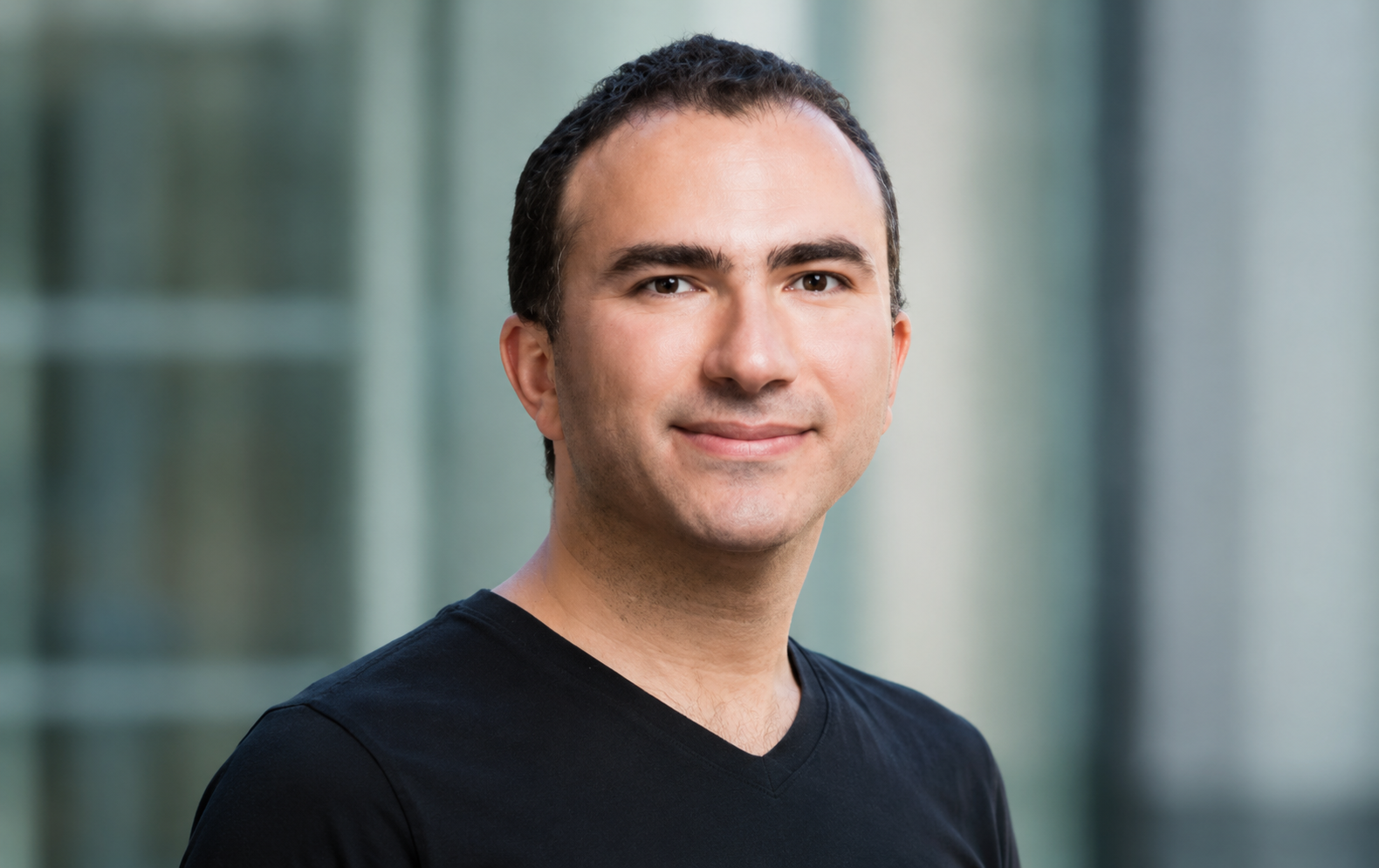
There are plenty of founders who enter crowded markets by trying to be louder, trendier, or more aggressive than everyone else. Raina Kumra took a different route with Spicewell. She looked at one of the most ordinary parts of daily life, the pantry, and asked a smarter question. What if the food people already use every day could do more for their health?
That idea sits at the center of Spicewell, a brand built around the belief that food as medicine should feel practical, not intimidating. Instead of asking consumers to overhaul their lives, follow a strict wellness plan, or add another supplement bottle to the counter, Kumra focused on a much smaller shift with much bigger potential. She took familiar staples like salt and pepper and turned them into a more functional part of everyday eating.
What makes her story stand out is that this was not just a branding exercise. It came from a personal moment, a strong point of view, and the willingness to leave behind a successful career path to build something in a completely different category. That mix of mission, timing, and market insight is what helped Raina Kumra turn Spicewell into a modern wellness brand with a clear identity.
Who Is Raina Kumra
Before Spicewell, Raina Kumra had already built a career across tech, media, investing, and consumer strategy. That background mattered more than it may seem at first glance. Founders who come from outside food often see categories differently, and Kumra brought that outsider perspective into a space that had stayed relatively unchanged for decades.
She understood positioning, storytelling, consumer attention, and what it takes to make people care about a product in a noisy market. Those skills gave her an advantage when it came time to build a CPG brand that needed more than just good ingredients. It needed a clear reason to exist.
That is one of the most important parts of the Spicewell story. Kumra was not simply creating another seasoning line. She was building a brand around a broader idea of consumer wellness, one that connected everyday nutrition, convenience, taste, and long term health.
The Personal Health Story That Sparked Spicewell
The origin of Spicewell feels personal because it is personal. The brand grew out of a difficult period in Kumra’s family life, when her husband was recovering from surgery and her daughter was healing from an injury. In that moment, food stopped being just food. It became part of care, recovery, and rebuilding.
Kumra turned to ideas she had known for years through family tradition and Ayurveda, the long-standing system of wellness that emphasizes diet, herbs, balance, and prevention. She started experimenting in the kitchen, drawing on the belief that the right ingredients can support the body in meaningful ways.
That experience gave her more than inspiration. It gave her clarity. She saw that many people want to eat better and support their health, but most do not want a complicated routine. They want something easy, familiar, and realistic. That insight became the foundation of Spicewell.
Why Raina Kumra Saw an Opportunity in an Everyday Pantry Staple
One reason the Spicewell model is so interesting is that it does not start with a dramatic health product. It starts with behavior people already have. Most households use salt and pepper every day. They are among the most basic kitchen essentials in any pantry.
Kumra understood that if you want to change health habits at scale, meeting people where they already are can be more effective than asking them to adopt something entirely new. That is where the idea of behavior-based health products becomes powerful. Instead of creating another pill, powder, or wellness ritual, she created a simple ingredient swap.
That decision also gave Spicewell a real advantage in the market. Consumers were already spending money in this category. The challenge was not teaching people to use seasonings. The challenge was giving them a reason to choose a smarter version.
How Spicewell Reimagined Salt and Pepper
At the product level, Spicewell built its identity by rethinking what seasonings could be. The brand positioned its products as nutrient-dense seasonings rather than plain pantry items. Its formulations combine flavor with added functionality through plant-based vitamins, organic vegetables, and wellness-forward ingredients.
The company’s New Salt is built around Himalayan salt with lower sodium content than regular table salt, while New Pepper is paired with ingredients like turmeric, a familiar ingredient in both cooking and wellness conversations. The larger idea is not that seasoning should replace a healthy diet. It is that seasoning can become a more useful part of one.
That is a subtle but important distinction. Spicewell works because it does not ask people to become experts in supplements, micronutrients, or phytonutrients before they can understand the value. The benefit is easy to grasp. You are already seasoning your food, so why not make that habit work a little harder for you?
Bringing Food as Medicine Into a Modern Consumer Brand
The phrase food as medicine can sometimes sound abstract, even idealistic. What Raina Kumra did well was make it feel current, usable, and grounded in daily life.
She did that by blending traditional wellness logic with modern brand positioning. Ayurveda was part of the inspiration, but Spicewell did not present itself as a niche spiritual product or a heritage-only brand. It was packaged and communicated as a fresh, modern pantry company for health-conscious consumers who still cared about convenience, taste, and design.
That balance matters. A lot of wellness brands struggle because they lean too far in one direction. They are either overly clinical and dry, or so lifestyle-driven that the product message gets lost. Spicewell found a middle ground. It kept the emotional pull of tradition and healing while speaking in the language of modern consumer health.
This is also where Kumra’s broader professional experience shows up. She understood that in a crowded market, it is not enough to have a meaningful story. You need a story that people can quickly understand and remember.
What Made Spicewell Stand Out in a Crowded Wellness Market
The health and wellness space is full of noise. Every week seems to bring a new supplement, a new functional drink, or a new claim about what consumers should add to their routines. That makes product differentiation more important than ever.
Spicewell stood out because it entered the functional foods space from an unexpected angle. Rather than competing directly with vitamin brands or powdered wellness blends, it created a place for itself inside the pantry. That gave the company a strong market positioning edge.
It also helped that the concept was easy to explain. A seasoning brand built around better-for-you seasoning, lower sodium, and added nutrients makes sense quickly. Consumers do not have to decode it. That clarity is a huge advantage for any founder-led brand trying to earn attention.
On top of that, the brand did not lean only on health claims. Flavor still mattered. Convenience still mattered. The packaging and visual identity still mattered. That combination made Spicewell feel like a serious pantry staple innovation, not just another wellness experiment.
How Raina Kumra Built Trust Around the Brand
Trust is one of the hardest things to earn in any wellness category. Consumers have become more skeptical, and for good reason. They have seen too many vague promises, too many miracle claims, and too many products that sound impressive but feel disconnected from real life.
Kumra approached that challenge by keeping the Spicewell message tied to everyday use. The brand was not promising overnight transformation. It was offering a practical way to support better eating habits through a product people could understand.
That trust also came from ingredient storytelling. Spicewell emphasizes organic ingredients, non-GMO sourcing, vegan formulations, and vitamins sourced from vegetables and fruits rather than a lab. For modern consumers, especially in the clean-label positioning space, those details matter.
There is also a strong founder dimension here. Raina Kumra did not show up as a detached executive chasing a category trend. She showed up as someone with a real brand mission, shaped by personal experience, family tradition, and a clear frustration with the way modern food systems often separate convenience from nourishment.
The Role of Product Positioning in Spicewell’s Growth
A big part of Spicewell’s appeal comes down to language. Kumra positioned the brand as a pantry upgrade, not a sacrifice. That matters because most consumers do not want products that feel like punishment. They want things that fit naturally into their lives.
This is where convenient wellness becomes more than a buzzword. Spicewell works as an idea because it makes healthier choices feel seamless. It fits into breakfast, lunch, dinner, weeknight cooking, meal prep, and everyday seasoning. It does not require a reset. It simply asks people to swap in something more thoughtful.
That is smart product-market fit. When a brand aligns its message with a habit people already have, adoption becomes easier. Kumra understood that success in the food space is often less about asking consumers to change everything and more about helping them change one thing they will actually stick with.
Media Attention Investor Backing and Brand Momentum
As Spicewell grew, the brand started picking up the kind of attention that signals a concept is resonating beyond its earliest audience. Coverage from outlets such as Forbes, Entrepreneur, Inc., and the Los Angeles Times helped give the company more visibility and reinforced that Kumra was building something people in both wellness and business circles were watching.
Investor support added another layer of credibility. Backing connected to groups like Joyance Partners and mentions of Entrepreneur Ventures suggested that the idea was not only interesting from a consumer standpoint, but also promising as a business.
That kind of traction matters for a young food brand. It helps move the story from personal mission to scalable company. It tells the market that this is not just a good founder narrative. It is a brand with momentum, a clear category point of view, and room to grow.
What Other Founders Can Learn From Raina Kumra and Spicewell
There are a few reasons the Raina Kumra and Spicewell story feels especially useful for other founders.
First, it shows the power of starting with a real problem. Kumra did not invent a need out of thin air. She built from a lived experience that gave the brand emotional honesty.
Second, it highlights the value of building around existing behavior. Instead of forcing a new habit, she found a better version of a familiar one. That is a strong lesson for anyone working on health-focused innovation.
Third, it proves that category disruption does not always come from creating something totally unfamiliar. Sometimes the smarter move is to reframe an old product through a new lens. In this case, that lens was functional seasoning, daily-use wellness products, and preventive health.
Finally, it shows that great brand credibility often comes from alignment. The founder story, the product design, the ingredient choices, and the market message all need to support the same idea. With Spicewell, they do.
That is why Raina Kumra has been able to build more than a seasoning brand. She has built a brand that sits at the intersection of flavor, tradition, everyday nutrition, and modern wellness. In a category full of noise, that kind of clarity is what gives a company lasting power.