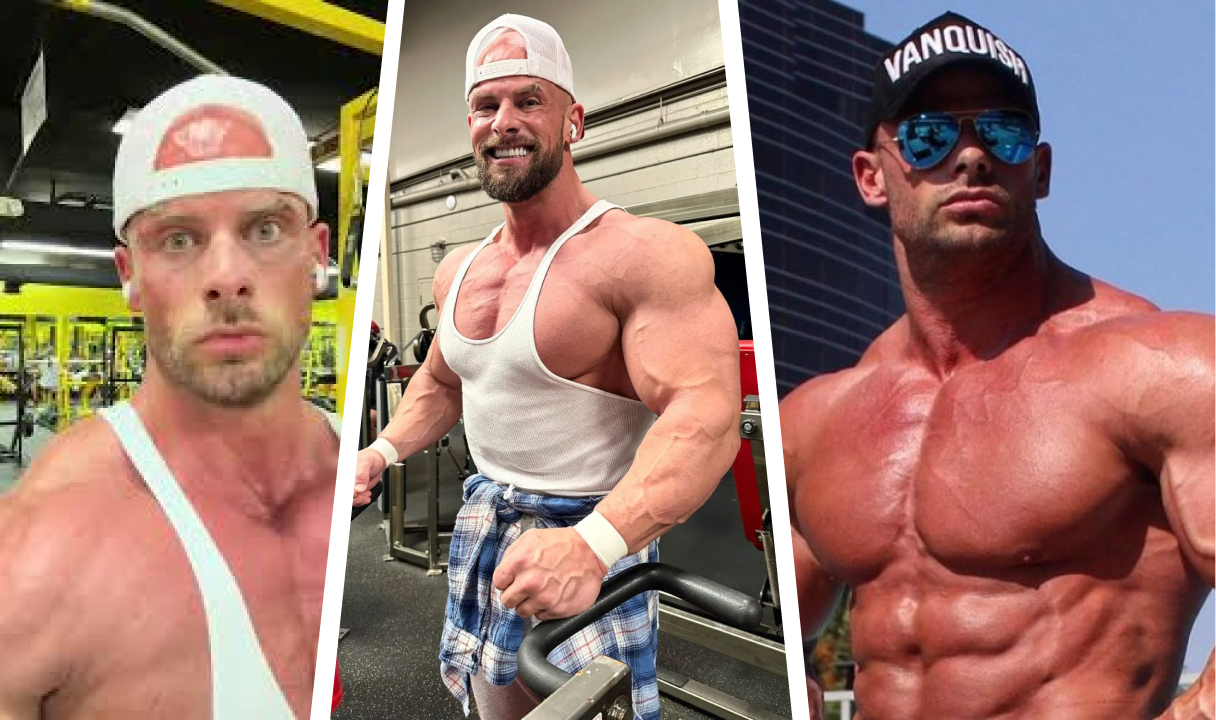
Being “toned” isn’t a separate kind of muscle. It’s what you see when you have a decent amount of muscle and a body-fat level low enough for it to show. So getting toned takes two things: build muscle with progressive strength training, and bring body fat down if you need to with steady activity and sensible eating. Below is how to do both, how long it really takes and what it costs.
The best way to get toned
- Strength train 2–3 days a week and work every major muscle group. Make the work a little harder over time by adding weight, reps or sets.
- Stay active on the other days. The CDC recommends at least 150 minutes of moderate activity a week, such as brisk walking, for adults.
- Eat enough protein and skip crash diets. If you want to lose fat, a small calorie deficit works better than a big one.
- Sleep 7+ hours and take rest days.
- You can’t spot-reduce fat. Crunches won’t burn belly fat and arm circles won’t burn arm fat. Fat comes off the whole body, in an order your genetics mostly decide.
Timeline: most people feel stronger in 4–8 weeks. Visible change usually takes about 3–6 months, and longer if you’re starting with more fat to lose.
This guide is general information, not medical advice. If you have a health condition, are pregnant or are coming back from a long time without exercise, check with your doctor before you start.
What you need before you start
The public-health baseline
The HHS Physical Activity Guidelines for Americans, which the CDC echoes, set the adult minimum at:
- 150–300 minutes a week of moderate aerobic activity, or 75–150 minutes of vigorous activity, and
- muscle-strengthening activity on 2 or more days a week that works all the major muscle groups: legs, hips, back, abdomen, chest, shoulders and arms.
That baseline is also a solid toning plan. Most people who say they “can’t get toned” are doing the cardio and skipping the strength work, or the other way round.
Equipment
- Minimum: supportive shoes and enough floor space to lie down.
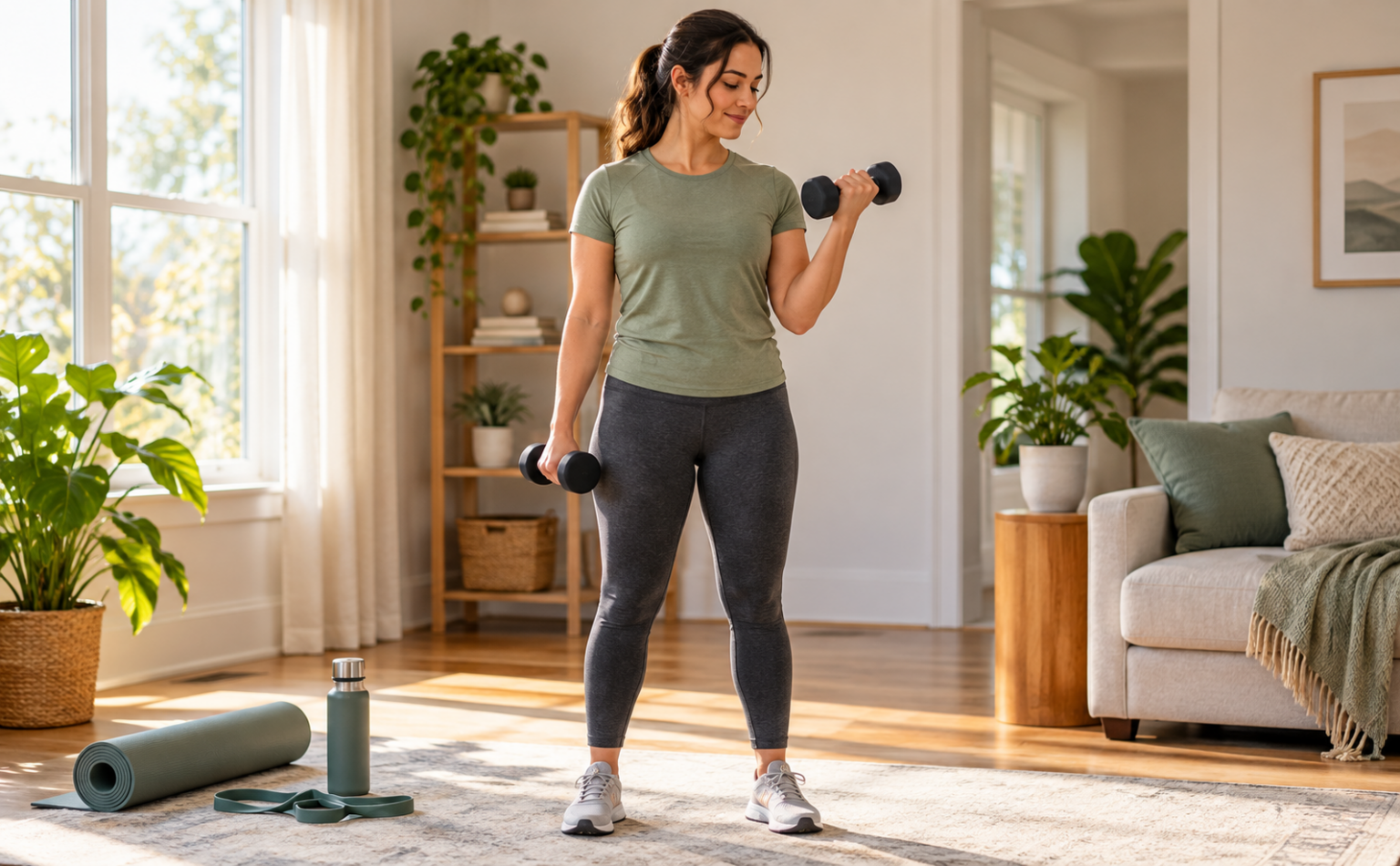
- Useful: a set of resistance bands, plus two or three pairs of dumbbells or one adjustable pair.
- Ideal for long-term progress: a gym with racks, cables and a full range of dumbbells. Bodyweight training works well at first. After a few months, though, most people need added load to keep progressing.
Who should talk to a clinician first
Get medical guidance before you ramp up if you have heart disease, high blood pressure that isn’t controlled, diabetes, a recent injury or surgery, or chest pain or dizziness during exercise, or if you’re pregnant or postpartum. The goal is to start at the right level, not to avoid training.
Step-by-step process: how to get toned
Step 1: Take baseline measures
The scale doesn’t tell you much here, because you can gain muscle and lose fat while your weight barely changes. Record these instead:
- front, side and back photos in the same light
- your waist measurement at the navel
- how one pair of fitted jeans feels
- a few strength numbers, such as push-ups to failure or your goblet-squat weight for 10 reps.
Re-check every 4 weeks, not every day.
Step 2: Strength train 2–3 days a week with compound moves
Build each session around five movement patterns:
- Squat: goblet squat, split squat, leg press
- Hinge: Romanian deadlift, hip thrust, glute bridge
- Push: push-up, dumbbell bench press, overhead press
- Pull: dumbbell row, band row, lat pulldown
- Carry or core: farmer’s carry, plank, dead bug
Do 2–3 sets of 8–15 reps and stop with 1–3 good reps left in the tank. When you can do the top of your rep range on every set with clean form, add weight or move to a harder variation. That’s progressive overload, and it’s the step most people skip.
Step 3: Add cardio you’ll actually do
Walking counts. A 30-minute brisk walk five days a week meets the CDC’s 150-minute target. If you like intervals, one or two short sessions a week, such as 8–10 rounds of 30 seconds hard and 90 seconds easy on a bike, add conditioning without eating into recovery. Cardio supports fat loss and heart health. It won’t build the muscle that makes you look toned.
Step 4: Eat for muscle, not for punishment
- Protein: the RDA is 0.8 g per kg of body weight, which is a floor, not a target. Many sports-nutrition sources suggest roughly 1.2–1.6 g/kg for people who strength train. Split it across meals.
- Calories: if fat loss is part of your goal, aim for a modest deficit that loses about 0.5–1 lb a week. Bigger cuts usually cost you muscle and make workouts feel awful.
- The rest of the plate: follow the Dietary Guidelines for Americans and MyPlate: mostly vegetables, fruit, whole grains and lean protein. Easy, low-calorie snacks help. A mandarin has only about 40–50 calories, and you can make sides like pasta salad fit a fat-loss plan by watching the dressing.
If you have diabetes, kidney disease or a history of disordered eating, work with a registered dietitian instead of setting your own targets.
Step 5: Sleep and recover
Muscle grows between sessions, not during them. Aim for 7 or more hours of sleep, which the CDC recommends for adults, and leave at least one day between hard sessions for the same muscle group.
Step 6: Body-part swaps for toned arms, legs, thighs and abs
You can give extra work to the area you care about. Just keep in mind that it builds muscle there and doesn’t burn the fat on top of it.
- Toned arms: add 2 sets each of curls and overhead triceps extensions after your push and pull work.
- Toned legs and thighs: add walking lunges or step-ups, and swap glute bridges for heavier hip thrusts.
- Toned stomach and abs: add hanging knee raises or cable crunches 2–3 times a week. Visible abs mostly come down to body fat, so steps 3 and 4 matter more here.
Sample beginner week
| Day | Session | Time |
|---|---|---|
| Mon | Full-body strength A: goblet squat, push-up, dumbbell row, plank | 35–45 min |
| Tue | Brisk walk | 30 min |
| Wed | Full-body strength B: Romanian deadlift, overhead press, band row, farmer’s carry | 35–45 min |
| Thu | Walk or easy bike | 30 min |
| Fri | Full-body strength A, plus target-area swaps | 40–50 min |
| Sat | Optional intervals or a long walk | 20–45 min |
| Sun | Rest | — |
Costs and timing
What getting toned costs
| Option | Typical cost | Best for |
|---|---|---|
| Bodyweight at home or in a park | Free | Your first 2–3 months |
| Resistance band set | About $15–$40 one time | Travel, home, pulling exercises |
| Dumbbells (fixed pairs or an adjustable set) | About $50–$400 one time | Steady progress at home |
| Budget gym membership | About $10–$30 a month | The most room to progress for the money |
| Full-service gym or classes | About $40–$150+ a month | People who like structure and community |
| Personal trainer | About $50–$120+ per session | Learning form, injury history |
Prices vary by city and change often, so confirm them locally. Food costs depend mostly on your protein sources. Eggs, canned tuna, Greek yogurt, beans and chicken thighs are some of the cheapest per gram of protein.
How long it takes to look toned
| Timeframe | What usually happens |
|---|---|
| Weeks 1–4 | Strength climbs quickly as your nervous system learns the movements. You may feel firmer, but you won’t see much yet. |
| Weeks 4–8 | Clothes fit differently and your energy improves. Lean people may start to see some definition. |
| Months 3–6 | Most consistent beginners see clear visible change. |
| 6–12+ months | Typical if you have more than about 20 lb of fat to lose or train inconsistently. |
Timelines differ between articles because starting body fat, age, sleep, training history and consistency all shift the clock. Anyone promising a dramatic change in six weeks is selling something. If you want to get toned fast, the honest version is to never miss a strength session and keep protein high.
Florida note: training in heat and humidity
Florida’s humidity makes it harder for sweat to cool you, so heat illness can come on sooner than you’d expect. Follow the CDC’s heat-health guidance: train outdoors before about 9 a.m. or after sunset from May through September, drink water before you’re thirsty, wear light clothing, and stop if you get dizzy, nauseated or confused. On heat-advisory days, move the session indoors. Many Florida city and county recreation departments run low-cost fitness centers, and plenty of parks have free outdoor gym stations that work well for early-morning sessions.
Common mistakes that stop you from getting toned
- Only light weights and high reps. Lifting 3-lb dumbbells for 50 reps doesn’t challenge your muscles enough to make them grow. Use a weight that’s genuinely hard by the last few reps.
- Eating too little. Big deficits cost you muscle, which is the very thing you’re trying to show.
- Trying to spot-reduce. Hundreds of crunches won’t flatten your stomach. Overall fat loss will.
- No progressive overload. If your workouts have looked the same for three months, your body has no reason to change.
- Skipping sleep and rest days. Overtraining usually shows up as stalled lifts and constant soreness.
- Program-hopping. Stick with one solid plan for at least 8–12 weeks before you judge it. As Simone Biles’ own words make clear, elite results come from years of consistent work.
For more evidence-based guides, browse our Health section.
FAQs
What does it mean to be toned?
Toned means you have enough muscle and low enough body fat that the shape of the muscle shows. It isn’t a special type of muscle. You get there by building muscle with strength training and, if you need to, lowering body fat.
How long does it take to get toned?
Most people feel stronger within 4–8 weeks. Clear visible change usually takes about 3–6 months of consistent strength training and sensible eating. If you have a lot of fat to lose, it can take 6–12 months or more.
Can you get toned without lifting weights?
Yes, at least at first. Bodyweight moves like push-ups, squats, lunges and planks build muscle for beginners. Over time you’ll need more resistance, such as bands, dumbbells or harder variations, to keep progressing.
Will lifting heavier weights make women bulky?
For most women, no. Building a lot of muscle takes years of focused training and eating in a calorie surplus. Moderate-to-heavy strength training 2–3 times a week usually produces the firm, defined look people mean by toned.
Is cardio or strength training better for getting toned?
You need both, and they do different jobs. Strength training builds the muscle you want to see. Cardio supports fat loss and heart health. CDC guidelines recommend 150 minutes of moderate activity plus muscle-strengthening on 2 or more days a week.
What should I eat to get toned?
Get enough protein (many people who strength train aim for about 1.2–1.6 g per kg of body weight), eat mostly whole foods, and if you want to lose fat, keep the calorie deficit modest. If you have a medical condition, talk to a registered dietitian.