If you unwrapped a new fitness tracker over the holidays or decided that 2026 is the year you finally take your health more seriously, learning how to use that wearable properly can make a real difference. Fitness tracking tech has come a long way, and when used correctly, it can quietly guide you toward better habits without feeling overwhelming.
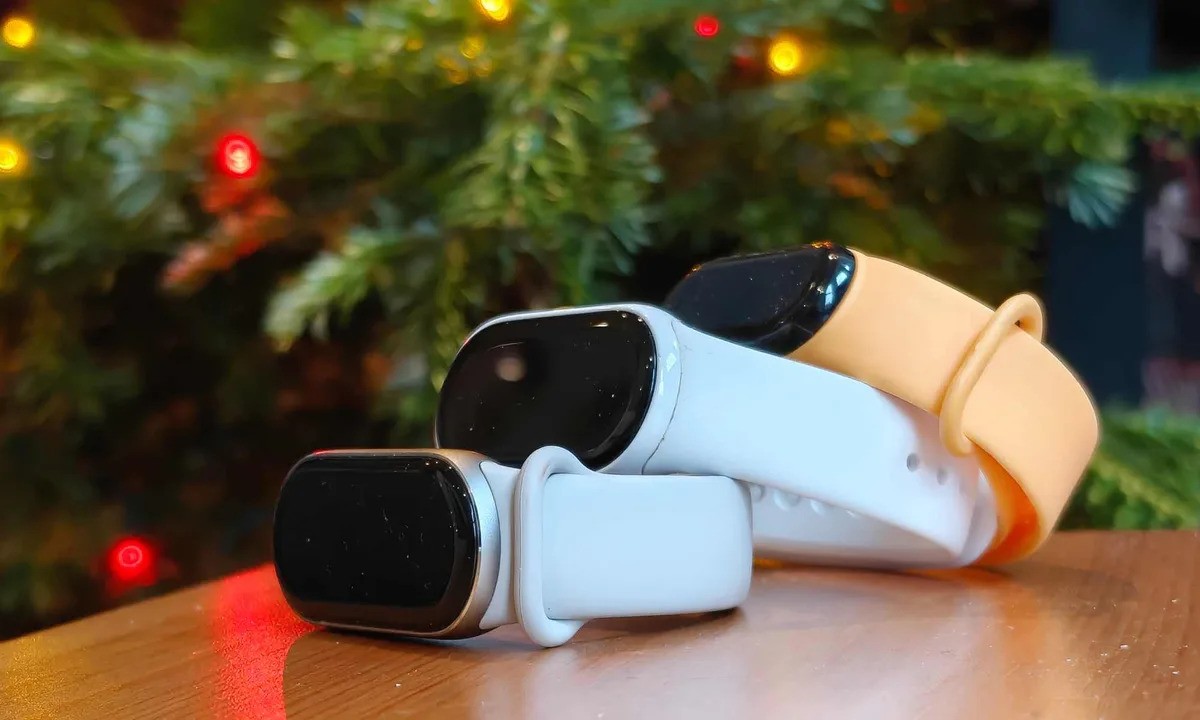
Fitness trackers sit somewhere between basic pedometers and full-featured smartwatches. They are usually slimmer, easier to wear all day, and far more affordable than premium devices like the Apple Watch Ultra. Despite their smaller size, modern trackers can still keep a close eye on your body, helping you understand how you move, sleep, and recover across the day.
If your goal for the year is to feel healthier, train smarter, or simply understand your body better, these practical tips will help you get more value from your fitness tracker in everyday life.
Wear it throughout the day, not just during workouts
One of the most common mistakes people make with fitness trackers is only strapping them on when they plan to exercise. It is easy to think the device is only useful during a run, gym session, or long walk, but that mindset leaves out a huge amount of valuable data.
When worn consistently, fitness trackers can monitor far more than steps. Many models track your heart rate at intervals during the day, estimate calories burned from everyday movement, and monitor sleep quality overnight. Even simple activities like household chores or short walks contribute to your overall health picture.
To get meaningful insights, your tracker needs to be on your wrist as much as possible, aside from charging time. The more consistently you wear it, the more accurate and useful the information becomes, especially when reviewing long-term trends.
Take time to explore everything it can do
Most people buy a fitness tracker with one or two features in mind, such as step counting or sleep tracking. However, many modern wearables offer a wide range of activity modes and tools that often go unnoticed.
By scrolling through the menus or companion app, you may discover tracking options for cycling, swimming, strength training, yoga, HIIT workouts, or guided running sessions. Some trackers even include coaching features that help pace your runs or structure workouts more effectively.
Exploring these features can spark motivation to try new activities or approach familiar workouts in a more focused way. Many popular models highlighted in Digital Trends fitness tracker guides include dozens, sometimes hundreds, of activity profiles designed to match different lifestyles.
Use the data instead of just collecting it
Fitness trackers generate an impressive amount of data, from heart rate patterns and sleep stages to pace, distance, and workout duration. However, all of that information is only useful if you actually review and apply it.
The real value comes from opening the companion app on your phone and looking at how your metrics change over time. Most apps provide breakdowns of individual workouts, detailed sleep reports, and visual charts that show weekly or monthly trends.
By reviewing this information regularly, you may notice patterns such as sleeping poorly on warmer nights, performing better runs after rest days, or feeling fatigued when workouts are stacked too closely together. These insights can help you adjust routines, improve recovery, and avoid burnout.
Many trackers also include readiness scores or activity goals that adapt based on your recent performance. Used thoughtfully, these features can guide smarter training decisions rather than pushing you to overdo it.
Do not overlook accessories and add-ons
Like most wearable technology, fitness trackers can be improved with the right accessories. While the default band included in the box is usually fine, it may not be the most comfortable or stylish option for long-term wear.
Most brands offer alternative straps in different materials, colors, and designs. This can be helpful for people with sensitive skin, those who want a more secure fit during workouts, or anyone who prefers a strap that better matches daily outfits.
Other useful accessories include protective cases for impact-heavy sports, charging stands that make powering up more convenient, and wireless headphones for trackers that support onboard music storage. Small upgrades like these can make wearing your tracker feel more natural and enjoyable.
Keep perspective and listen to your body
Fitness trackers are powerful tools, but they are not perfect. While reminders to move, train, or rest can be helpful, they should never replace how you actually feel.
If your tracker suggests a workout but your body feels exhausted, it is often better to rest. Likewise, if your sleep score looks fine but you wake up feeling drained, paying attention to that signal matters just as much.
Healthy use of fitness technology means treating it as a guide rather than a rulebook. People who benefit most from wearables are those who combine data insights with self-awareness, creating a balanced relationship between technology and personal well-being.
Used this way, a fitness tracker can quietly support better habits throughout the year, helping you stay informed, motivated, and in tune with your body as 2026 unfolds.