Apple’s roadmap rarely stays quiet for long, and the iPhone 18 lineup is already shaping up to be one of the most talked-about smartphone releases of 2026. Even though the iPhone 17 family is still relatively fresh, early leaks and analyst reports have started painting a clearer picture of what Apple may be preparing next. From subtle design refinements to meaningful internal upgrades and a long-rumored foldable debut, the iPhone 18 story is slowly taking shape.
While many expected dramatic visual changes, most credible sources suggest Apple is sticking closely to the design language introduced with the iPhone 17 series. That consistency is not surprising. Apple typically stretches a single design philosophy across multiple generations, refining rather than reinventing. Early information shared by tipsters on Weibo suggests the iPhone 18 Pro models will look almost identical to their predecessors, at least at first glance.
That said, small visual tweaks could still appear. One rumored change involves the plastic section beneath the rear camera module. Instead of the fully opaque finish seen on the iPhone 17 Pro, the iPhone 18 Pro may use a slightly translucent material. On lighter color variants, this could subtly reveal internal components like the wireless charging coil. Whether this is purely aesthetic or serves a functional purpose remains unclear, but Apple rarely introduces changes without a reason.
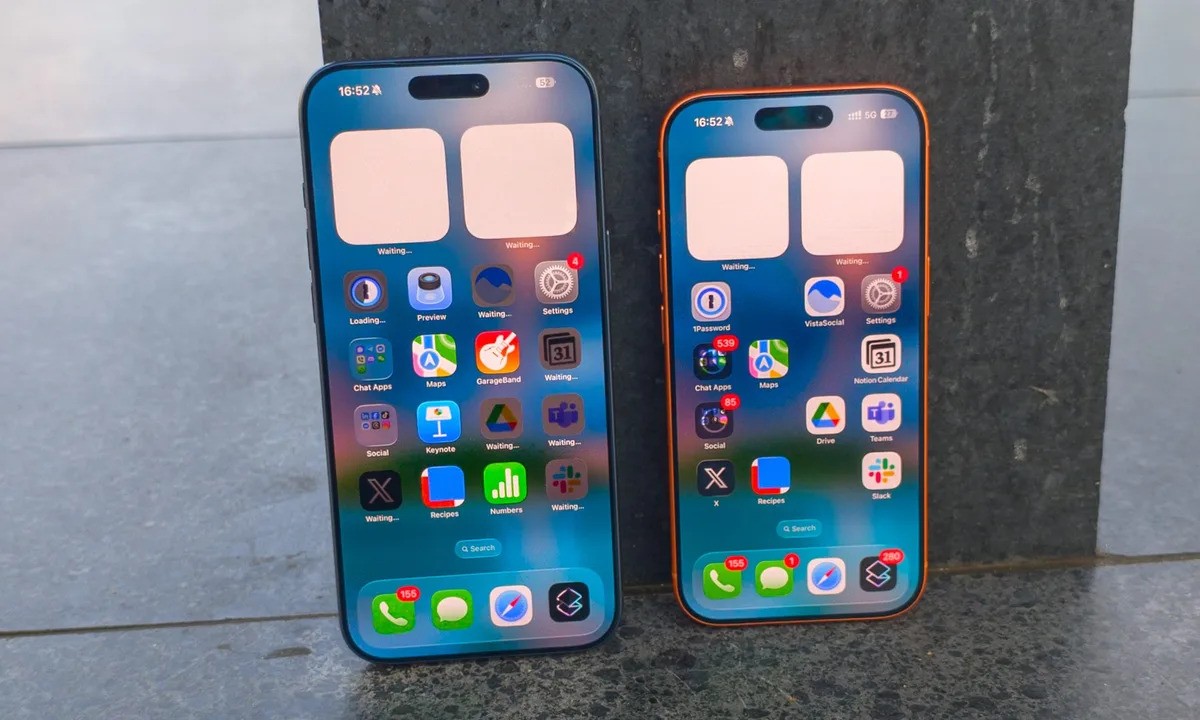
Color experimentation may also continue. According to multiple leak accounts, Apple is testing new finishes for the iPhone 18 Pro, including coffee, purple, and burgundy tones. Historically, Apple reserved bold colors for its standard models, leaving Pro devices with muted palettes. That pattern shifted with the iPhone 17 Pro’s cosmic orange option, making it easier to believe that one standout color could survive into the final iPhone 18 Pro lineup.
The front of the device is where rumors become more divided. Some reports from The Information indicate Apple has been experimenting with under-display Face ID technology for the iPhone 18 Pro. If implemented successfully, this could significantly reduce the visibility of front-facing sensors. Display analyst Ross Young, however, has suggested Apple may instead shrink the Dynamic Island into a smaller pill-shaped cutout. Other leaks point to a punch-hole style camera system, similar to what many Android devices already use. It is possible Apple could apply different approaches across standard and Pro models.
There are also whispers of a slight weight increase for the iPhone 18 Pro Max. Estimates suggest the device could exceed 240 grams, making it heavier and marginally thicker than its predecessor. This extra bulk would likely be tied to a larger battery or enhanced internal components rather than a cosmetic shift.
For the standard iPhone 18, expectations are more conservative. The base model is likely to retain a familiar 120Hz OLED display, Face ID cutout, and dual-camera setup arranged vertically on the back. While the overall shape may stay the same, Apple typically refreshes color options annually, so a new palette is still expected.
The iPhone Air, Apple’s ultra-slim experiment, is also expected to continue with the same design formula. Reports suggest sales performance has been softer than expected, but Apple rarely abandons a product after a single generation. Production adjustments may happen behind the scenes, yet cancellation appears unlikely.
Where the iPhone 18 series becomes more interesting is under the hood. Apple is reportedly preparing two new processors, the A20 and A20 Pro, manufactured by long-time partner TSMC. These chips are expected to be built on a 2nm process, marking a significant leap from the 3nm architecture used in the A19 series. Improvements in power efficiency and sustained performance are anticipated, particularly for Pro and Air models.
Industry analyst Ming-Chi Kuo has also reported that Apple plans to adopt wafer-level multi-chip module packaging for these processors. This approach allows key components, including DRAM, to be integrated more efficiently at the wafer stage. Benefits may include better yields, lower costs, and stronger overall system performance. Similar packaging techniques are expected to appear in future Mac processors as well.
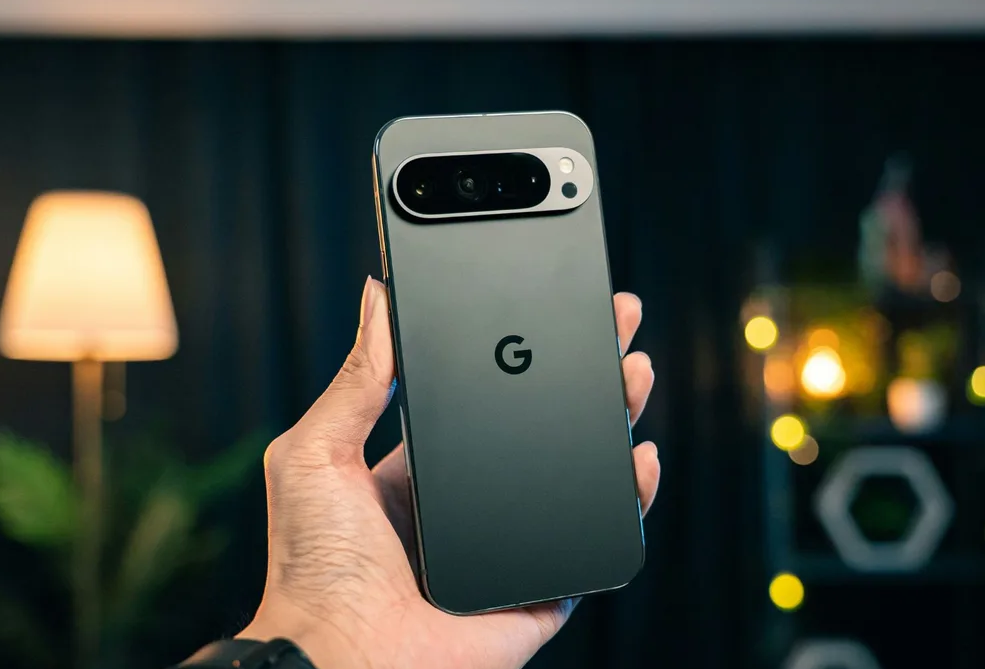
Camera hardware is another area where Apple appears focused on refinement rather than radical change. The iPhone 18 Pro models are expected to retain a triple 48-megapixel camera setup, even as competitors push 200-megapixel sensors. The key difference may come through variable aperture technology, a feature long used in professional cameras and previously explored by brands like Samsung and Sony.
A variable aperture allows the camera to adjust how much light reaches the sensor, improving results in both bright and low-light conditions. It also gives users greater control over depth and background blur in portrait shots. Leakers have also suggested Apple may simplify the Camera Control button, shifting to pressure-based input while removing gesture support.
Connectivity upgrades are also on the horizon. Supply chain reports indicate Apple will introduce its new C2 modem across the iPhone 18 lineup. Beyond improved efficiency, the C2 modem is expected to enable mmWave 5G support, something missing from Apple’s earlier in-house modem efforts. This could significantly boost data speeds in supported regions.
Perhaps the most ambitious rumor involves satellite-based 5G connectivity. According to reporting from The Information, Apple is exploring partnerships that could allow the iPhone 18 Pro to connect directly to low-Earth-orbit satellites for broadband access. This technology is still in early stages, but successful tests in China and Europe suggest commercial viability is getting closer.
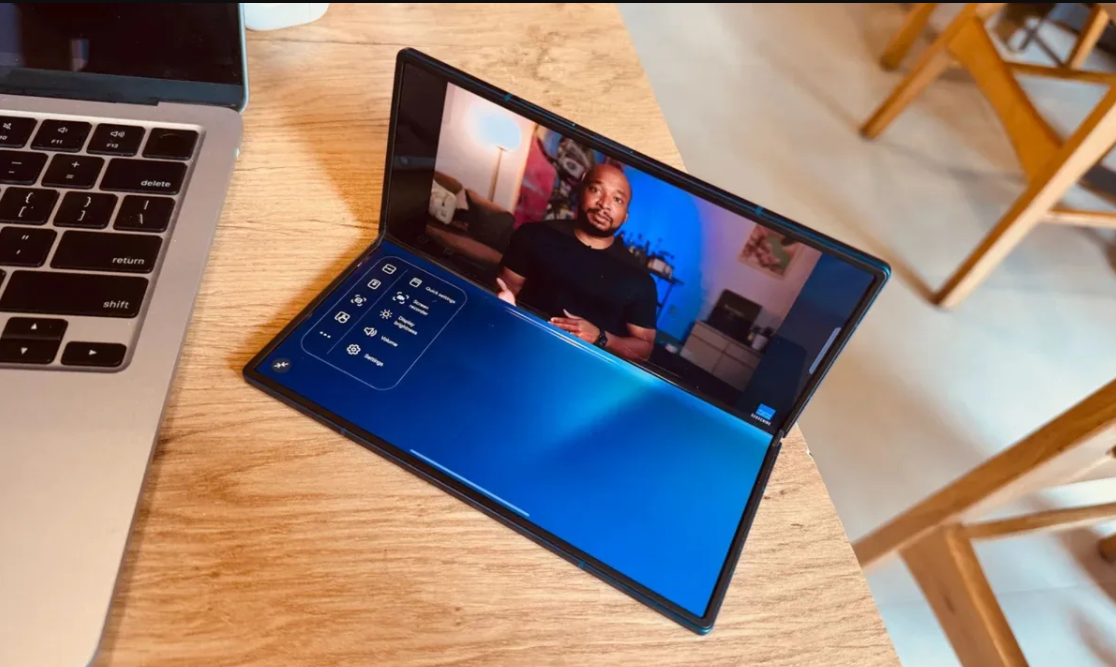
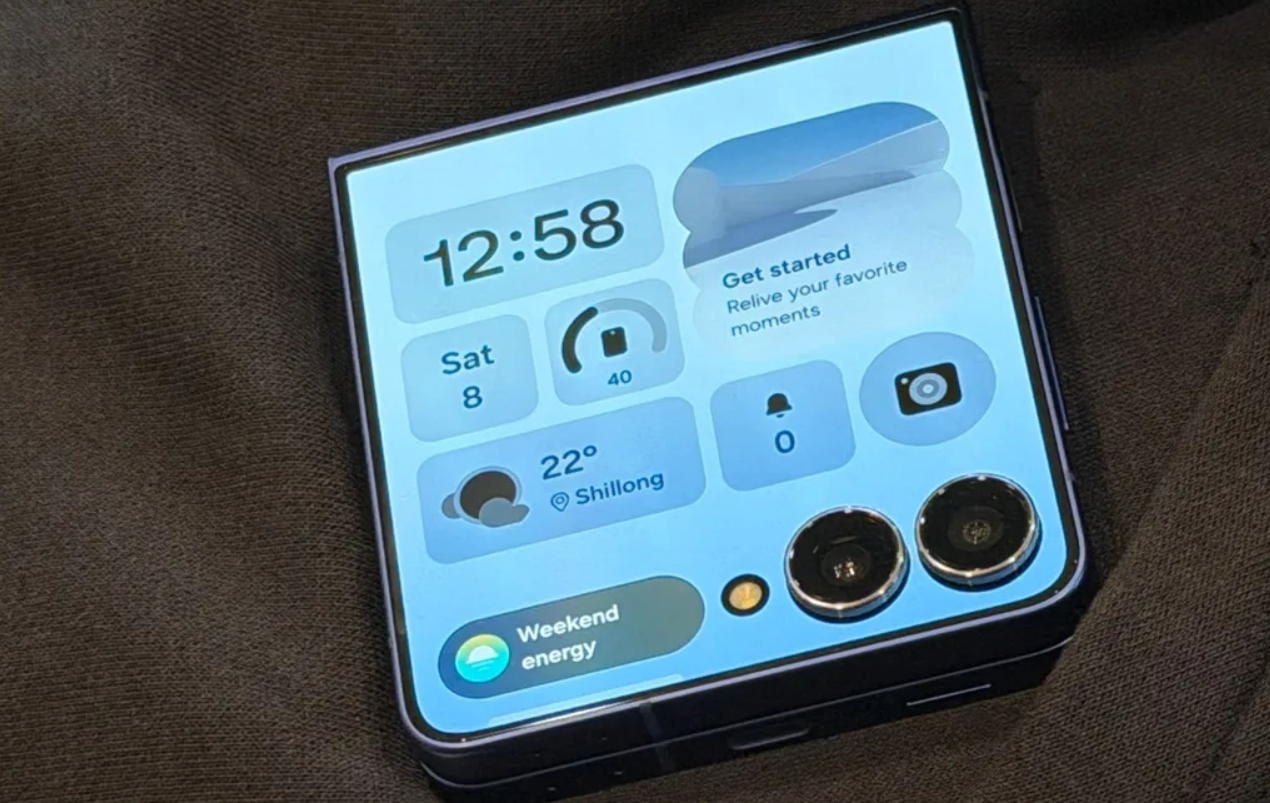
Then there is the device many have been waiting for: Apple’s first foldable iPhone. Multiple analysts expect a foldable model to debut alongside the iPhone 18 series. Whether Apple brands it as the iPhone Fold or attaches it to the existing numbering scheme remains uncertain.
Design expectations are ambitious. Bloomberg has reported that Apple aims to create a foldable device that feels like two ultra-thin iPhones fused together. Materials may include a blend of aluminum and titanium, helping manage heat while maintaining structural integrity. Thickness estimates suggest around 9 to 9.5mm when folded and under 5mm when unfolded.
Display sizes are expected to measure approximately 7.8 inches inside and 5.5 inches on the outer screen. Ming-Chi Kuo has also suggested Apple may significantly reduce the visible crease, a persistent challenge for foldable devices. Camera compromises could exist, with some reports indicating only two rear sensors. Touch ID may also return, potentially integrated into the power button to save internal space.
Pricing is expected to land firmly in premium territory, with estimates ranging from $2,000 to $2,500. Apple will face stiff competition from established foldable players like Samsung, Honor, and Oppo, all of whom have already refined their designs over multiple generations.
Overall, the iPhone 18 lineup appears focused on meaningful internal evolution rather than flashy visual changes. Processor advancements, camera refinements, modem upgrades, and the potential arrival of a foldable model suggest Apple is laying groundwork for long-term gains rather than short-term spectacle.