The global consumer tech market is dealing with a problem that refuses to go away. According to Micron, the ongoing memory shortage is no temporary disruption, and it is something consumers may need to live with for several more years.
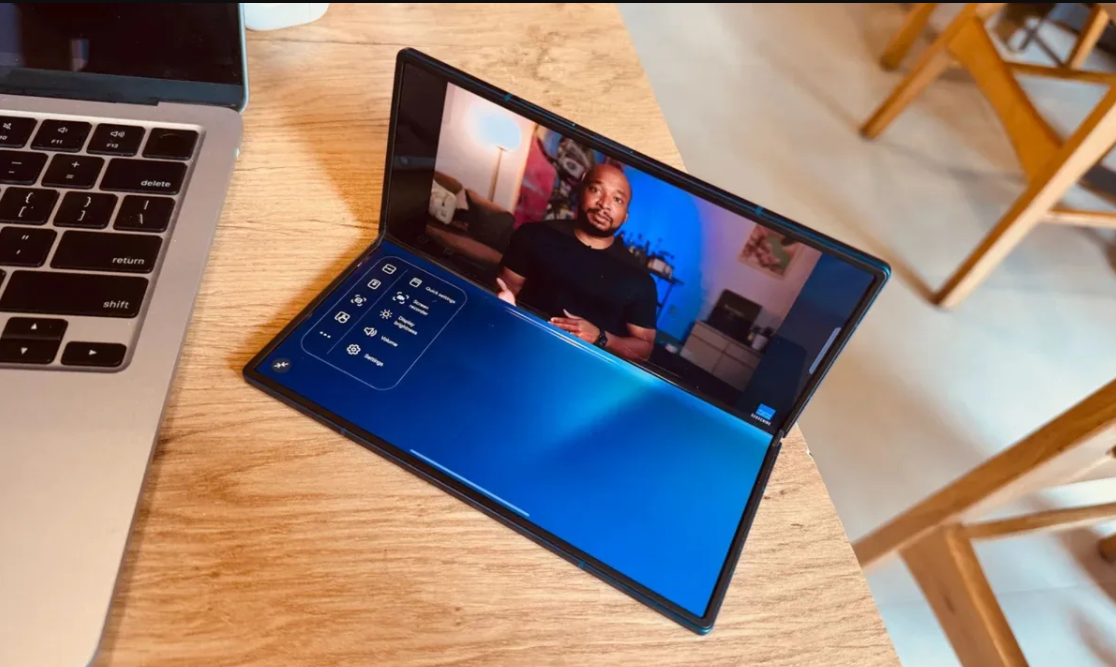
As demand for AI infrastructure continues to surge, massive data centers are absorbing an unprecedented share of the world’s memory supply. Micron says that even aggressive factory expansion plans will not be enough to quickly rebalance the market. The result is a long-term strain that leaves everyday devices like laptops, smartphones, and tablets competing for limited resources.
Enterprise customers, particularly those building AI-driven data centers, now dominate memory purchasing. That shift has forced manufacturers to prioritize high-margin enterprise contracts over consumer hardware. As a result, device makers are either paying more for memory or reducing RAM capacity in finished products to keep prices in check.
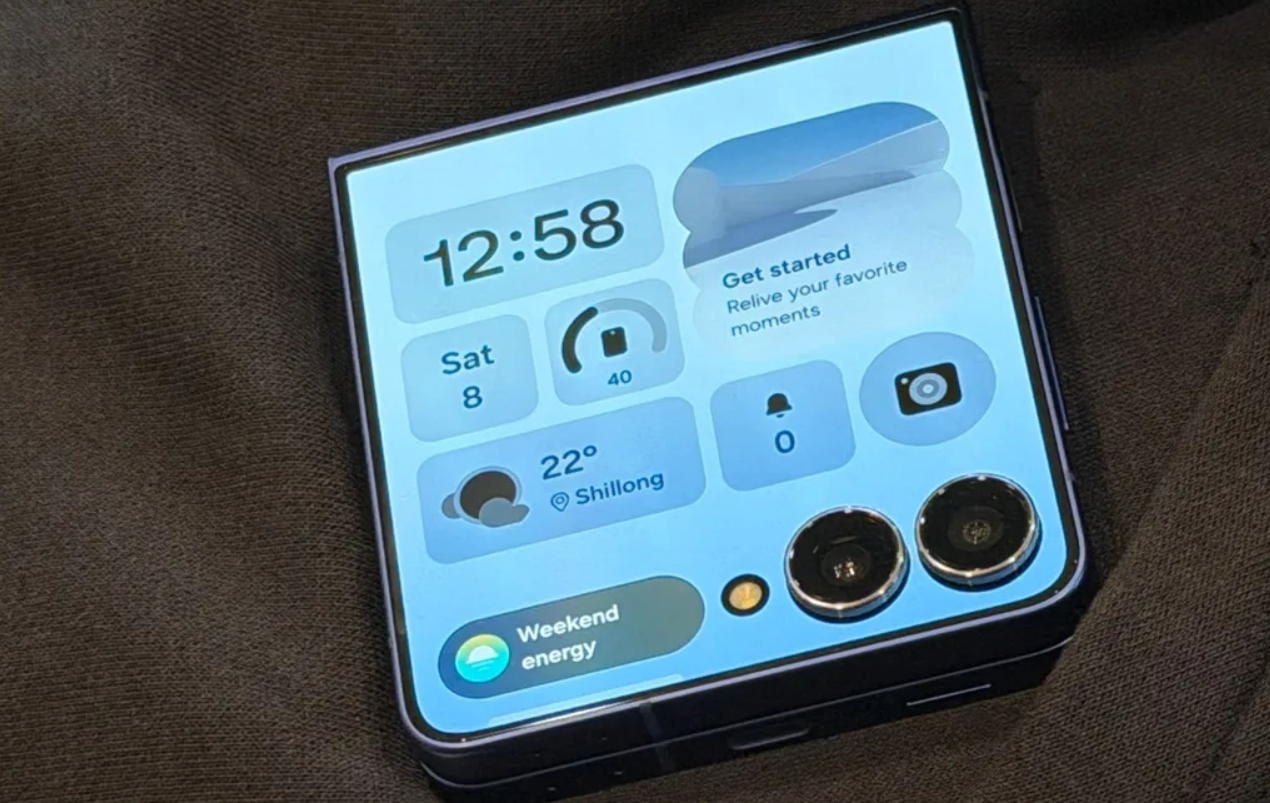
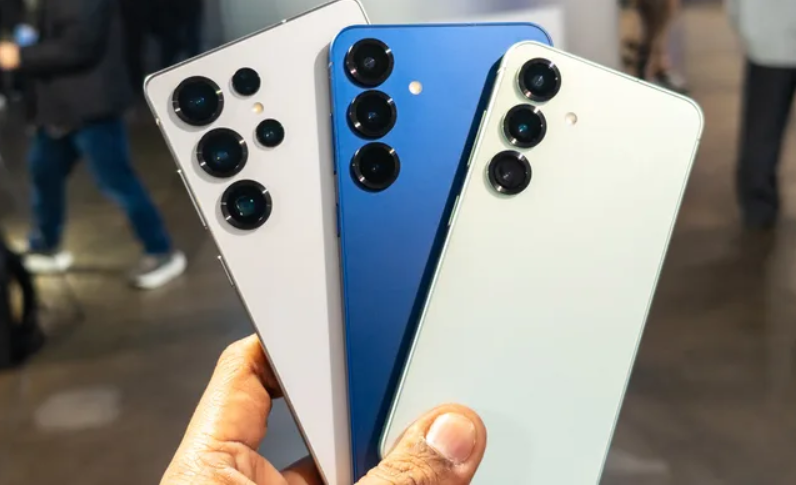
This imbalance has already pushed up prices across several categories, including PCs and smartphones. Industry analysts have also warned that televisions, wearables, tablets, and other connected devices could feel the impact next. Any product that relies on DRAM or flash storage is exposed to the ripple effects of the shortage.
Speaking in an exclusive interview with Christopher Moore, Micron’s Vice President of Marketing for the Mobile and Client Business Unit, the company made it clear that relief is not expected before 2028. Moore explained that consumers often misunderstand the situation, believing that new factories alone will fix supply issues. In reality, the scale of AI demand has fundamentally changed how memory is allocated across the market.
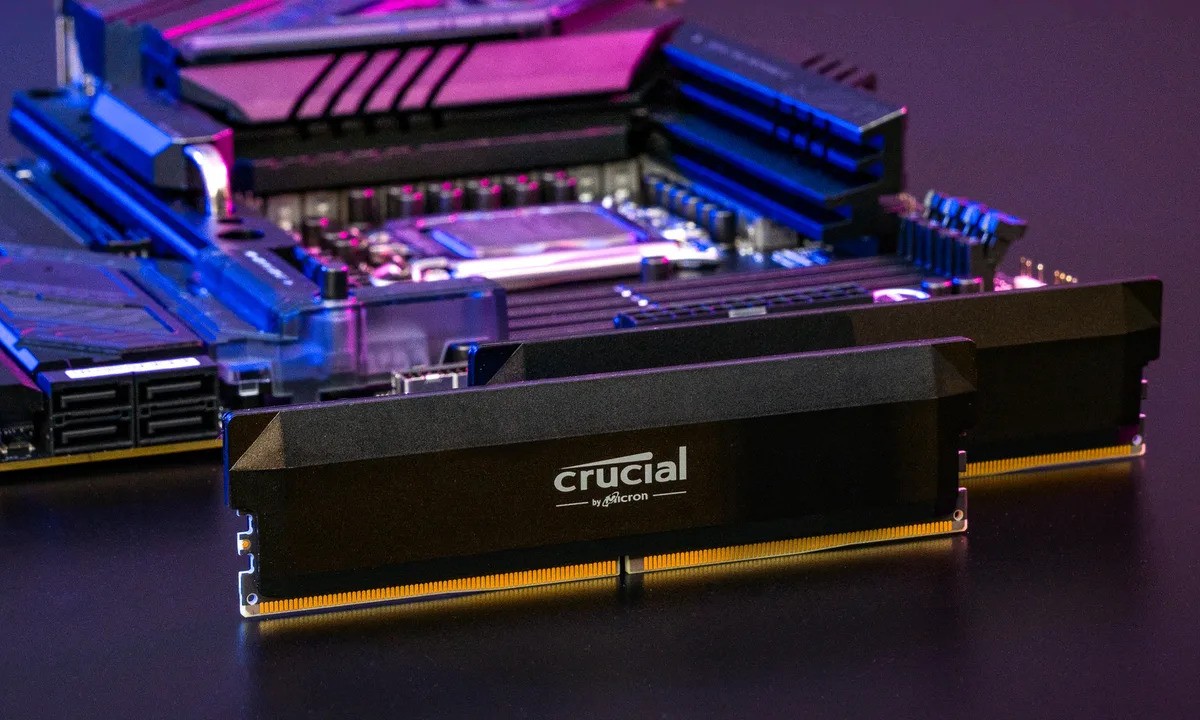
Micron’s strategic shift has only intensified those concerns. In late 2025, the company shut down its consumer-facing Crucial RAM and SSD brand, signaling a sharper focus on enterprise and AI customers. That decision triggered backlash from consumers who viewed the move as proof that everyday buyers were being pushed aside in favor of corporate clients.
Micron has since clarified that it has not abandoned the consumer market entirely. A large portion of its memory output still goes directly to original equipment manufacturers such as Dell and ASUS, where Micron supplies LPDDR5 modules that end up inside consumer laptops and smartphones. Under this model, Micron continues to influence the consumer supply chain, even without a direct retail presence.
“Our goal is still to support consumers globally,” Moore said, emphasizing that Micron maintains active relationships with virtually every major PC manufacturer. The difference now is how memory is packaged, distributed, and prioritized.
One of the key pressures comes from the rapid expansion of the AI sector. Moore noted that the total addressable market for DRAM has jumped dramatically, with AI workloads now accounting for roughly 40 percent of demand. Just a few years ago, that figure hovered closer to 30 percent. Even more telling is the fact that more than half of today’s memory market requires higher bit density than before.
That shift makes production more complex. High-density memory is harder to manufacture, more sensitive to yield issues, and less flexible when it comes to meeting a wide range of configurations. To stabilize output, Micron is working closely with PC and smartphone manufacturers to limit the number of RAM options available for each device.
While that approach can help smooth short-term supply constraints, it also means fewer choices for consumers. Standardized memory configurations may become more common, not because manufacturers prefer them, but because they are easier to produce at scale under tight conditions.
Even with significant investments in new fabrication plants, Micron says the benefits will not be immediate. Moore confirmed that the company’s large-scale fab expansions will not meaningfully ease supply pressure until at least 2028. By then, AI demand could be even higher, keeping the market under constant strain.
The rise of artificial intelligence has already reshaped multiple industries, and memory manufacturing is no exception. As AI applications grow more complex and data-hungry, they consume vast amounts of DRAM and storage. That reality leaves consumer electronics fighting for leftover capacity.
Industry watchers point out that this is not just a Micron issue. Other memory manufacturers are facing similar pressures as cloud providers, hyperscalers, and AI developers lock in long-term supply contracts. Once those deals are in place, consumer products inevitably fall lower on the priority list.
For consumers, the impact is subtle but persistent. Devices may ship with less memory than expected, upgrade options could become more limited, and prices may remain higher than they would be in a balanced market. These effects are already visible in parts of the PC and smartphone industry, and they are unlikely to disappear soon.
Micron’s message is clear. The memory shortage is not a short-term disruption caused by a single trend. It is the result of a structural shift driven by AI, enterprise demand, and manufacturing complexity. Until supply catches up with that new reality, consumers will continue to feel the pressure across nearly every category of connected technology.
For broader context on how AI infrastructure is reshaping the tech industry, you can explore AI market trends coverage from Digital Trends or read in-depth reporting on enterprise semiconductor demand from sources like Wccftech and Tech industry analysis hubs that track memory production and supply chain changes.