The ongoing pressure around component pricing could end up working in Google’s favor this year, at least on the surface. Recent reports suggest that the upcoming Pixel 10a may arrive without a noticeable price increase, matching what buyers saw with the Pixel 9a. While that sounds like good news for budget-conscious users, the details behind this decision point to a more cautious strategy rather than a generous one.
According to information shared by the French deal-tracking platform Dealabs, Google is expected to retain last year’s pricing structure for its next A-series phone in European markets. The base version of the Pixel 10a, which reportedly includes 8GB of RAM and 128GB of internal storage, could launch at EUR 549. The higher 256GB model may land at around EUR 649. These figures closely mirror the pricing of the Pixel 9a at launch, suggesting Google is prioritizing stability over experimentation.
Although these prices are currently linked to Europe, similar trends could extend to other regions, including the United States. If that happens, US buyers might see the Pixel 10a start at USD 499 for the 128GB variant, while the 256GB option could reach USD 599. This approach would keep the phone firmly positioned in the midrange segment, where Google has traditionally found success with its A-series lineup.
One possible explanation for the steady pricing is timing. Google may have secured enough DRAM inventory before memory prices began climbing across the industry. Even a small buffer in supply could allow the company to avoid passing additional costs on to consumers, at least for one product cycle. Analysts tracking the semiconductor market have already noted how volatile memory pricing has become, especially as AI-driven hardware demand continues to rise across smartphones, laptops, and servers.
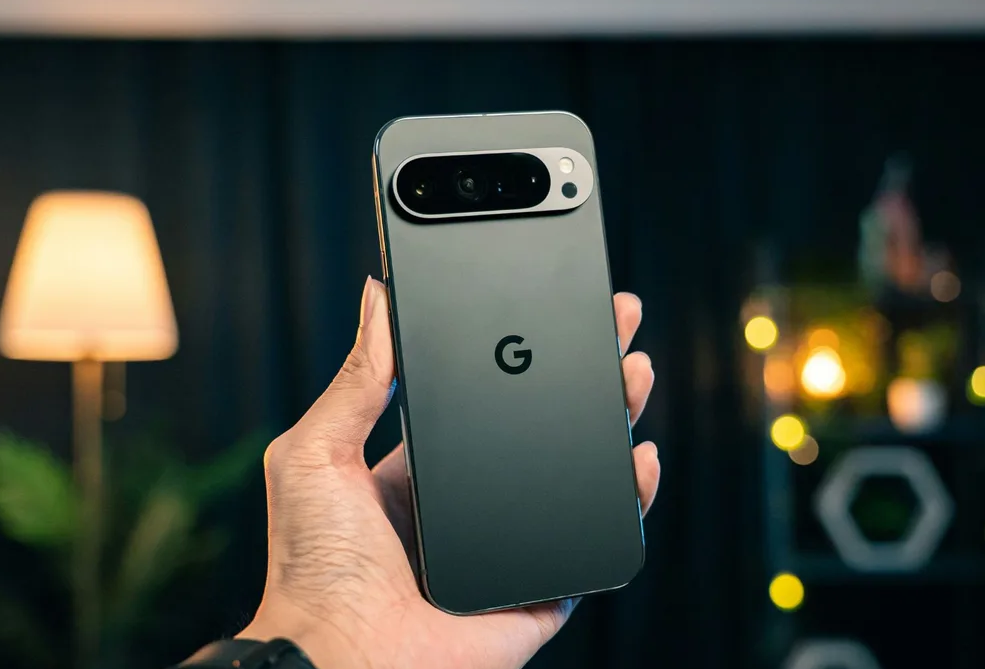
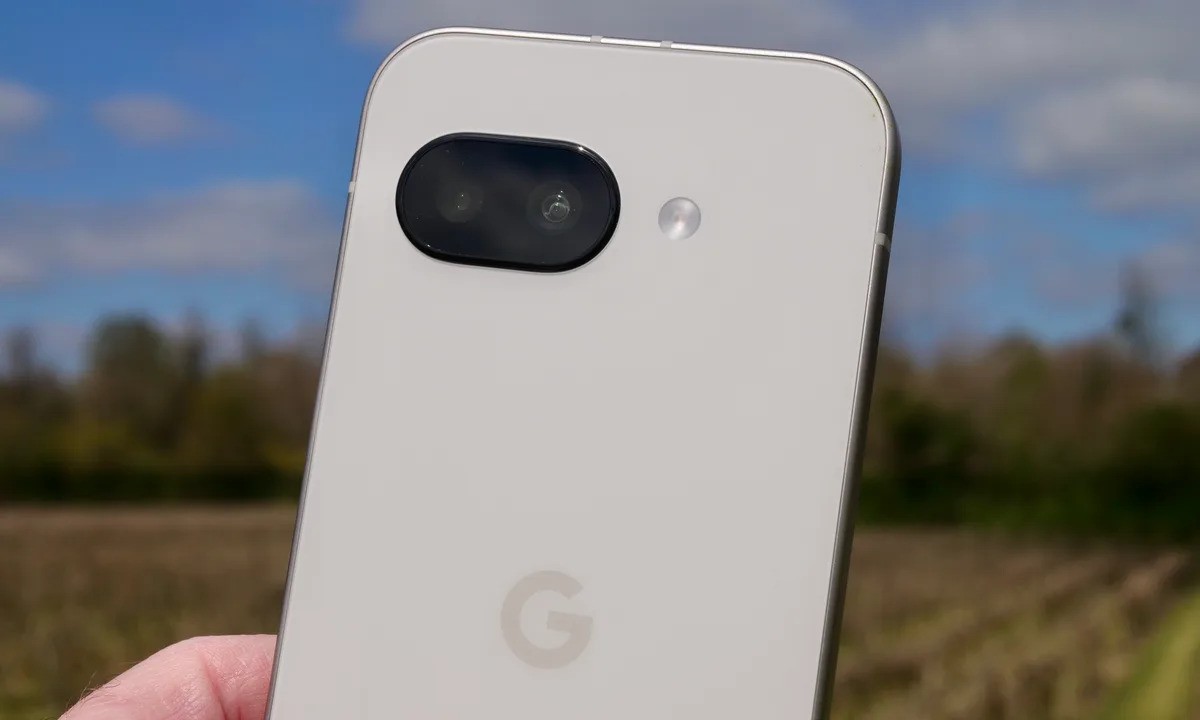
The less encouraging explanation is tied to hardware changes or the lack of them. Multiple reports indicate that the Pixel 10a could look and feel almost identical to its predecessor. The phone is expected to carry over the same 6.3 inch OLED display used on the Pixel 9a, featuring a 120Hz refresh rate and peak brightness levels that reach roughly 2700 nits. That panel already performs well for everyday use, but it would not represent a meaningful upgrade.
Camera hardware may also remain unchanged. The Pixel 10a is rumored to reuse the same 48 megapixel primary sensor, paired with a 13 megapixel ultra wide camera and a 13 megapixel front-facing lens. This setup has delivered solid image quality thanks to Google’s computational photography, but many buyers were hoping to see at least incremental sensor improvements this time around.
Battery and charging specifications appear to be following the same familiar path. The Pixel 10a is expected to include a 5100 mAh battery, supporting wired charging speeds of up to 23W. Wireless charging details remain unclear, but if Google follows previous patterns, any improvements are likely to be modest. The phone is also rumored to maintain an IP68 rating for dust and water resistance, which remains a strong point for devices in this price range.
Given how much of the hardware seems to be carried over, some might argue that the Pixel 10a should launch at a lower price than the Pixel 9a. From a purely technical standpoint, that argument has merit. However, Google could justify holding the line by introducing a newer processor. Reports suggest the company may move from the Tensor G4 chip to the Tensor G5, though sources remain divided on whether this upgrade will make it into the final product.
If the Tensor G5 does arrive in the Pixel 10a, the benefits are expected to focus more on efficiency and AI-related tasks rather than raw performance gains. Google has consistently emphasized machine learning features across its Pixel lineup, and the A-series has often benefited from the same software capabilities found on flagship models.
Timeline details are also starting to take shape. The Pixel 10a could be officially unveiled on February 18, 2026, with retail availability following on March 5, 2026. This schedule would place the phone roughly two weeks after its announcement, aligning with Google’s recent launch patterns. A February reveal would also position the Pixel 10a ahead of several competing midrange devices expected later in the spring.
From a market perspective, keeping prices stable could help Google protect its position in a crowded segment where brands like Samsung, Xiaomi, and OnePlus are constantly adjusting their offerings. However, the tradeoff is perception. Consumers paying the same price as last year may expect visible improvements, not just a refreshed model name and a slightly updated chip.
The Pixel A-series has built its reputation on delivering a clean Android experience, strong cameras, and long-term software support at a relatively accessible price. Whether that formula still feels compelling in 2026 will depend on how much value buyers place on consistency versus innovation.
As more official details emerge, attention will likely shift from pricing alone to how the Pixel 10a performs in everyday use. Battery efficiency, sustained performance, and software features could ultimately matter more than spec sheet comparisons, especially for users upgrading from older Pixel models or switching from other Android brands.