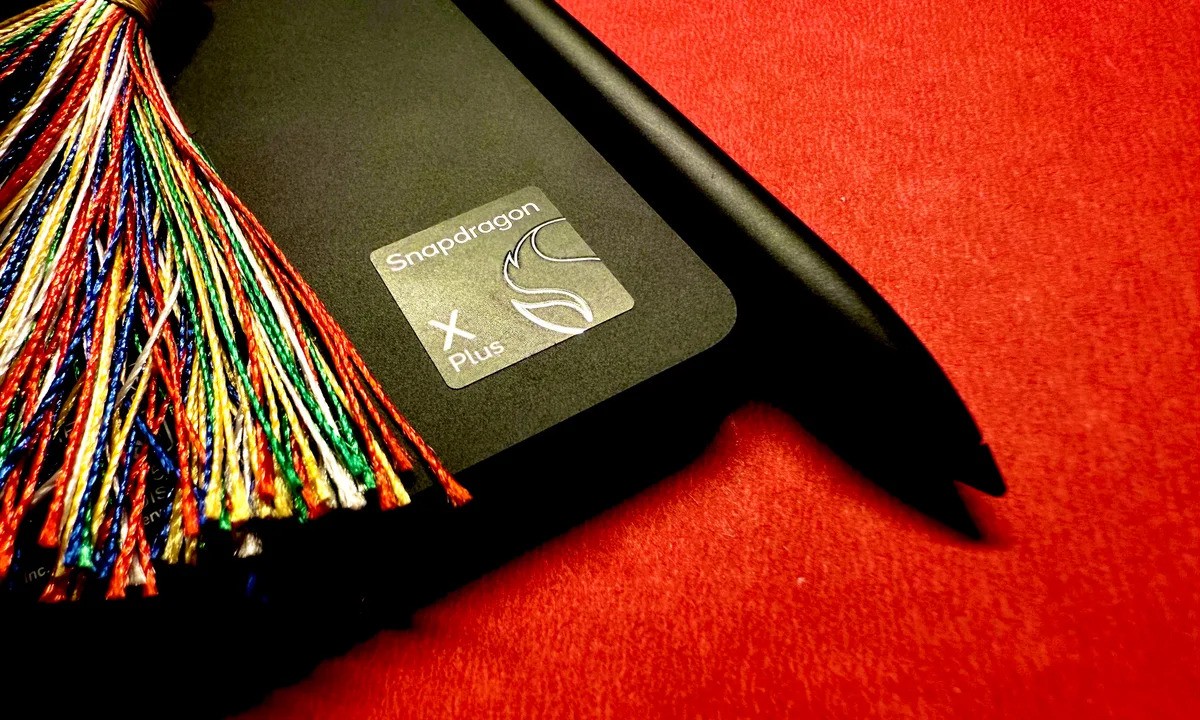
Qualcomm’s next-generation laptop processor is starting to come into focus as early benchmark results surface for the Snapdragon X2 Plus. These initial CPU and GPU numbers give a clearer idea of how upcoming Windows laptops powered by the chip might perform, especially when stacked against Apple’s latest silicon.
The short version is this. Snapdragon X2 Plus looks competitive in certain workloads, but Apple still appears to hold the edge when it comes to raw performance. That gap matters for anyone hoping Windows on Arm can finally deliver Mac-level speed in a thin and efficient notebook.
According to a batch of synthetic benchmarks shared by PCMag, Apple’s M4 chip came out ahead in most of the tests. Out of five major benchmarks, M4 posted higher scores in four. For users who care about everyday responsiveness and graphics-heavy tasks, those numbers set the tone early.
It is also worth noting that these Snapdragon X2 Plus results were recorded on a reference platform rather than a finished consumer laptop. That distinction matters more than it might seem at first glance.
Apple still leads in single-core performance
Single-core scores leaned strongly in Apple’s favor. In Cinebench 2024 single-core testing, Apple M4 posted a score of 173, while Snapdragon X2 Plus landed at 133. Geekbench 6 told a similar story, with M4 reaching 3,859 compared to 3,311 for Qualcomm’s chip.
These results matter for everyday tasks like app launches, light creative work, and short bursts of processing. If your workflow depends on quick interactions and snappy performance, those single-core gaps can be noticeable in daily use.
Multi-core performance narrowed the difference, but Apple still maintained a slight advantage overall. Snapdragon X2 Plus edged ahead in Cinebench 2024 multi-core with a score of 1,011 versus 993 for M4. However, Geekbench 6 multi-core testing swung back toward Apple, with M4 scoring 15,093 compared to 14,940.
Taken together, the numbers suggest Qualcomm is closing the gap in sustained workloads, but not consistently overtaking Apple across the board.
GPU benchmarks widen the performance gap
Graphics performance is where Apple extended its lead again. In 3DMark Steel Nomad Light, Apple M4 scored 3,949, while Snapdragon X2 Plus reached 3,067. The difference carried over into 3DMark Solar Bay, where M4 posted 15,580 compared to 12,525 for Qualcomm.
For users working with video editing, 3D rendering, or visually demanding apps, those gaps can translate into smoother timelines, faster previews, and higher graphical settings. Even casual gaming performance can feel different when GPU margins stretch this far.
Why real-world laptops may perform differently
Benchmarks provide a clean comparison, but laptops rarely operate in perfect conditions. Thermal limits, cooling design, and power tuning can all shift performance once these chips land inside retail devices.
A well-cooled system might sustain higher speeds, while a thinner design could throttle sooner to preserve battery life. Manufacturers also make different choices about performance profiles, fan noise, and long-term thermal behavior.
Software optimization plays a major role as well. Even strong hardware can underperform if applications are not well optimized, particularly on Windows on Arm systems where some apps still rely on translation layers rather than native execution.
For more background on how Apple’s current silicon is evolving, Digital Trends has a detailed breakdown of what to expect from the Apple M4 chip, which helps explain why it continues to score so well in both CPU and GPU tests.
What these results mean for buyers
If you are shopping for a laptop right now and prioritize raw performance, Apple’s M4 still looks like the safer choice based on these early numbers. That is especially true for workloads that depend heavily on single-core speed or graphics performance.
For Windows users interested in Snapdragon X2 Plus laptops, patience may pay off. Final retail models could perform better or worse depending on how each manufacturer tunes the hardware. Real-world reviews will reveal far more than a reference platform ever can.
If you are tracking Qualcomm’s broader push into Windows laptops, it is also worth keeping an eye on coverage from outlets like PCMag and Digital Trends, which are closely following how Snapdragon-based systems evolve throughout 2026.
As more benchmark data and hands-on reviews appear, the picture around Snapdragon X2 Plus will continue to sharpen. Until then, these early results offer a grounded look at where Qualcomm stands as it tries to close the performance gap with Apple Silicon.