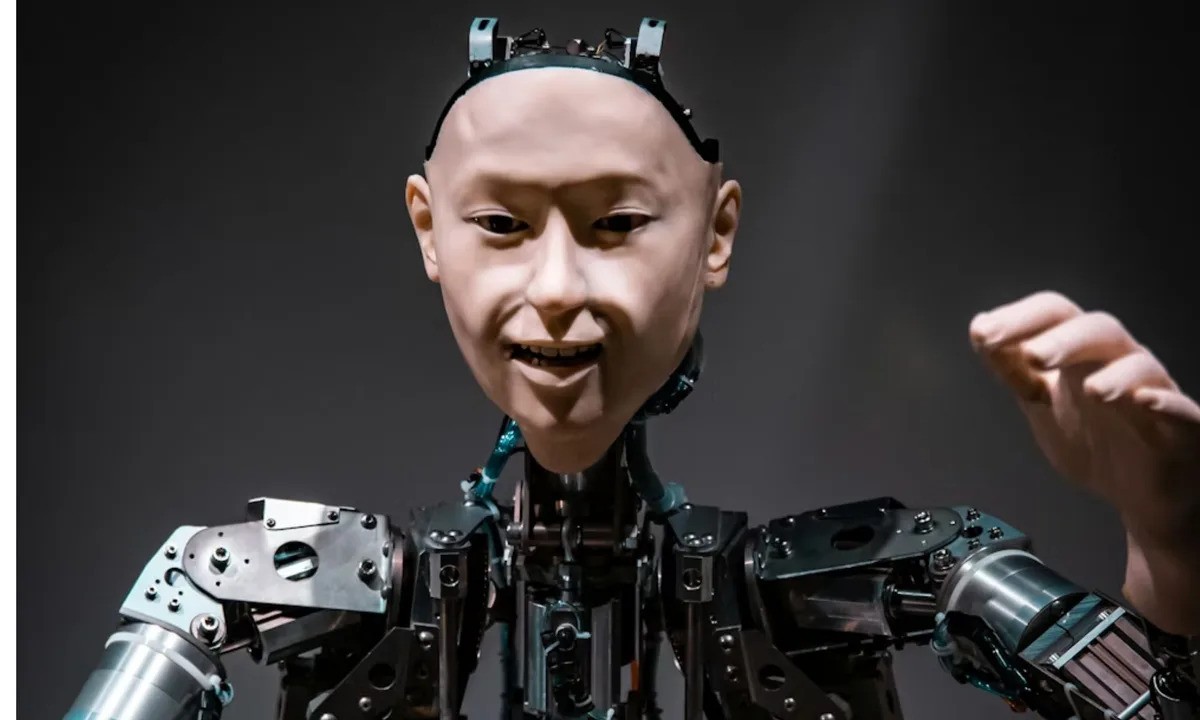
Robots have made huge strides in how they see, hear, and move, but touch has long been the missing sense. Machines can recognize objects and navigate spaces, yet they still struggle to understand how something actually feels. That gap may finally be closing thanks to a new form of artificial skin revealed at CES 2026, where Ensuring Technology introduced a tactile system designed to bring human-like sensitivity to robots.
The company showcased its latest breakthrough during the annual tech event in Las Vegas, highlighting a new approach to touch that goes far beyond traditional pressure sensors. Instead of simply detecting contact, this artificial skin is designed to interpret pressure, texture, and subtle changes in force, allowing robots to respond more naturally to their surroundings. The technology aims to help machines interact with the world instead of just colliding with it.
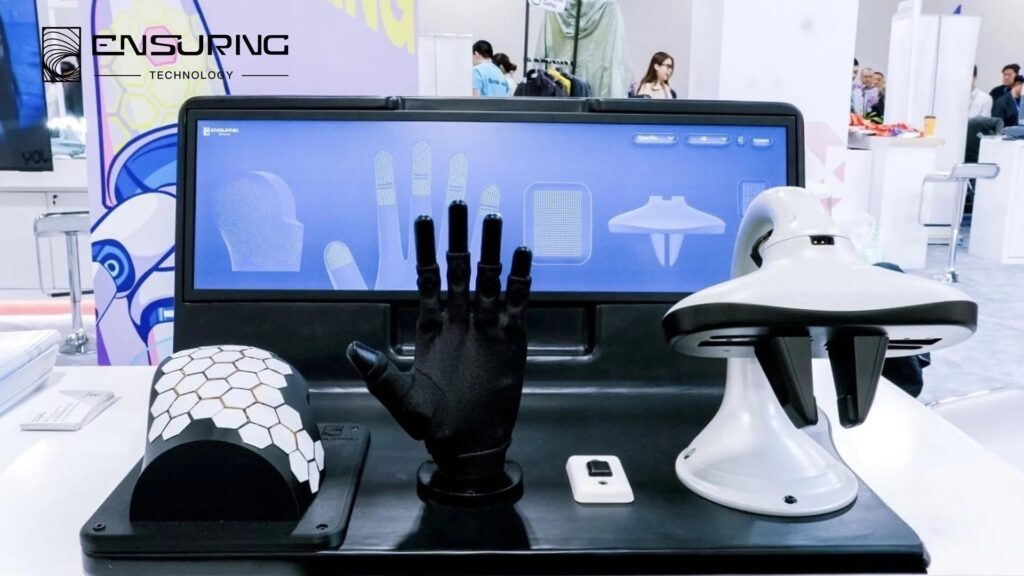
At the heart of the announcement are two products called Tacta and HexSkin, both built to address one of robotics’ most persistent challenges. Humans rely heavily on touch to grip objects, adjust force, and react instantly when something shifts. Robots typically lack that feedback, operating with rigid movements and limited awareness. Ensuring Technology’s goal is to replicate how human skin senses and processes touch, making robotic interactions more fluid and adaptive.
Tacta is a high-density tactile sensor designed specifically for robotic hands and fingers. Each square centimeter contains 361 individual sensing points, all sampling data at an impressive 1000 times per second. According to the company, that level of detail delivers sensitivity comparable to human touch. Despite packing in such dense sensing capability, the module remains slim at just 4.5 millimeters thick and integrates sensing, processing, and edge computing into a single compact unit.
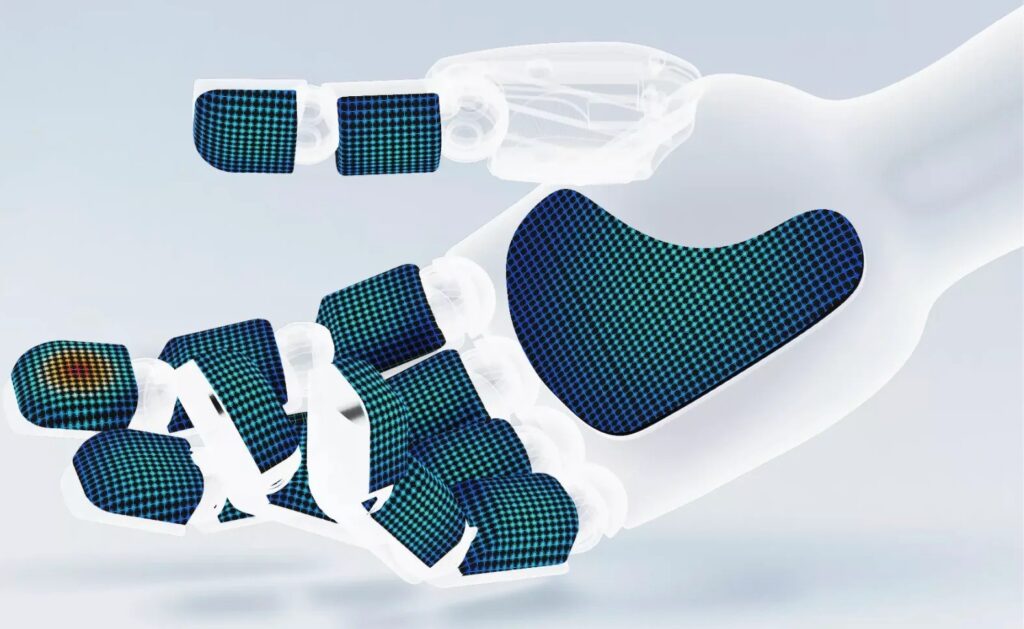
During its CES demonstration, Ensuring Technology showed a robotic hand fully covered with Tacta sensors. The setup included 1,956 sensing elements distributed across the fingers and palm, effectively creating a continuous network of tactile awareness. The result was a robotic hand capable of detecting subtle variations in contact, adjusting grip strength, and responding to real-time feedback rather than relying solely on pre-programmed movements.
HexSkin expands on the same idea but scales it for larger surfaces. Built using a hexagonal, tile-like structure, HexSkin is designed to wrap around complex and curved shapes. That flexibility makes it especially suitable for humanoid robots, where touch needs to extend beyond hands to arms, torsos, and other body parts. The modular design allows the skin to be applied across wide areas without sacrificing sensitivity or responsiveness.
The timing of this development is notable, as CES 2026 has been packed with robotic innovations that show just how quickly the field is evolving. We have already seen machines capable of advanced balance, vision, and coordination. Examples include humanoid robots that can play tennis with near-professional precision and advanced demonstrations from Boston Dynamics’ Atlas, which highlighted improved stability and movement at the event.
Household robotics is also gaining momentum. Companies like LG have introduced concepts such as the CLOiD home robot, pitched as a helper for everyday tasks like cooking and laundry. While these robots already excel at navigation and object recognition, most still depend heavily on vision systems and rigid sensors. Without touch, their interactions remain limited and sometimes awkward.
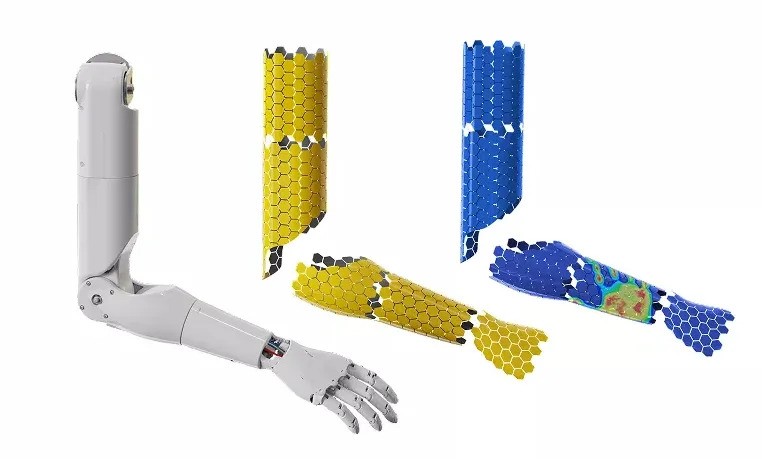
Adding a layer of artificial skin that closely mimics human sensitivity could change that. With detailed tactile feedback, robots can better understand how firmly they are gripping an object, whether something is slipping, or how much force is safe to apply. This level of awareness is essential for robots designed to work alongside people, whether in homes, hospitals, or industrial settings.
Ensuring Technology’s approach highlights a shift in robotics toward more natural, human-like interaction. Instead of focusing solely on speed or strength, the emphasis is moving toward perception and adaptability. Touch plays a critical role in how humans navigate the world, and giving robots a similar capability could unlock new possibilities in automation and assistance.
As robots continue to improve in vision, movement, and artificial intelligence, touch may be the final piece that brings everything together. With innovations like Tacta and HexSkin, the line between rigid machines and responsive companions becomes a little thinner, pointing toward a future where robots can truly feel the world around them.