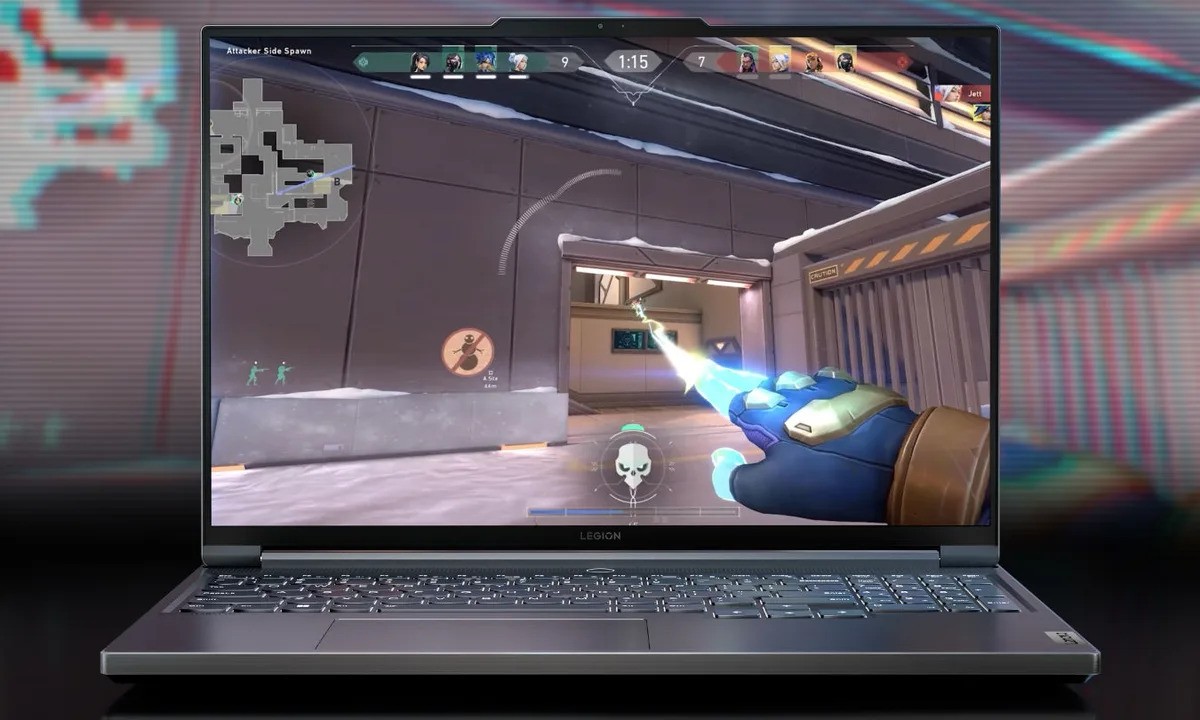
A Windows on ARM gaming laptop is finally starting to look like more than a technical experiment, and Lenovo may be preparing to push it into familiar gaming territory. New Lenovo laptop model listings connected to NVIDIA’s N1X identifier point toward a possible Legion 7 configuration, a name Lenovo typically reserves for its more performance-focused machines.
The signal comes from the way Lenovo appears to label internal platforms across its upcoming systems. Devices tied to Qualcomm platforms carry a Q marker, while NVIDIA-powered entries show up under N1 and N1X labels. A dataminer known as Huang514613 highlighted a group of Lenovo models where these tags appear across several product lines, suggesting a broader hardware strategy rather than a one-off test device.
Most of the NVIDIA N1-labeled systems currently fall into everyday laptop categories. The list includes two IdeaPad Slim 5 models in 14-inch and 16-inch sizes, along with multiple Yoga configurations, including at least one convertible design. What stands out is a 15-inch Legion 7 appearing under the N1X tag, marking a jump from general productivity machines into gaming-class branding.
There are still major gaps in the available information. The listings do not reveal pricing, regional availability, launch windows, display options, or complete hardware configurations. Without those details, it is impossible to directly compare this system to existing Windows gaming laptops. Still, the presence of the Legion name attached to an N1X-labeled model carries more weight than another thin-and-light prototype quietly appearing in a database.
For gaming laptops, hardware alone is only part of the equation. Windows gaming on ARM continues to face hurdles around driver maturity, consistent performance across demanding titles, and anti-cheat compatibility that does not block access to popular multiplayer games. A device aimed at gamers needs reliable support across all three areas to be taken seriously.
That context makes the Legion branding particularly meaningful. Lenovo has historically used the Legion name for systems expected to deliver sustained performance, not experimental showcases. Attaching that label to an ARM-based platform suggests Lenovo believes software support and driver stability could be ready to meet expectations, rather than simply looking impressive on a specification sheet.
The next real confirmation will come through official channels. Retailer listings with full specifications, Lenovo support pages publishing driver downloads, and early benchmark results showing performance under prolonged load will clarify whether N1X hardware can match the demands implied by the Legion badge. Those details will also reveal how NVIDIA’s ARM-focused platform positions itself against traditional x86 gaming laptops.
For buyers who need guaranteed compatibility right now, a conventional Windows gaming laptop remains the safer choice. For those who can afford to wait, a fully detailed Legion 7 N1X listing with clear regional availability will be the moment worth watching, especially once real-world testing data begins to surface.
External references such as Microsoft Windows, Lenovo, Qualcomm, and NVIDIA continue to shape how this platform may evolve as ARM-based PCs push further into mainstream performance categories.