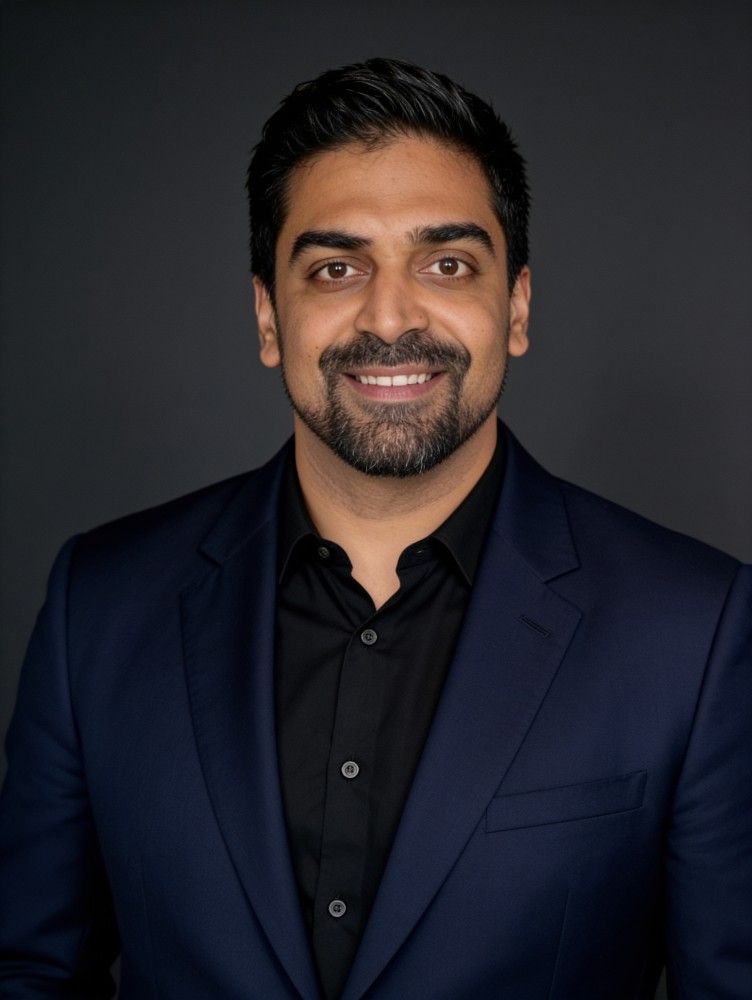
Amira Rasool is often talked about as a founder creating more access for independent brands, but that only tells part of the story. What makes her work especially interesting is that she is not simply helping brands get discovered. She is helping build the systems that make discovery useful in the first place.
That distinction matters.
A lot of small consumer brands can create strong products, build a visual identity, and even attract attention online. The harder part comes after that. They still need a way to reach buyers, manage wholesale relationships, fulfill orders across borders, market consistently, and grow without burning out a tiny team. For many overlooked brands, that is where momentum usually stalls.
Through The Folklore, Amira Rasool has been working on that exact problem. The company has evolved beyond a simple discovery platform into something much bigger: a commerce infrastructure layer designed to help emerging brands sell globally, market smarter, and operate more efficiently.
That makes this a much more important story than a standard founder profile. It is a story about how global commerce is changing, who gets left out of traditional retail systems, and what it looks like when someone decides to build the tools that close that gap.
Who Is Amira Rasool and Why Her Work Matters
Amira Rasool is the founder of The Folklore, a company that has become closely associated with helping independent brands reach broader markets. Her work stands out because it sits at the intersection of fashion, e-commerce, wholesale, technology, and global access.
What separates her from many founders in the retail space is the problem she chose to solve. She did not build around the assumption that good brands naturally rise to the top. Instead, her work reflects a more honest reality: many strong brands stay invisible because the system around them is not built for them.
That insight shapes everything about The Folklore.
Rather than treating commerce as just a storefront issue, Rasool’s approach looks at the full chain behind growth. How do brands get in front of the right buyers? How do they handle operations without building a large internal team? How do they move from being admired to being ordered, stocked, shipped, and scaled?
Those are infrastructure questions, and that is exactly why her work feels relevant far beyond one company.
The Gap Amira Rasool Saw in the Global Retail System
For years, global retail has been full of gatekeepers. Buyers, trade shows, wholesale relationships, regional networks, logistics partners, and marketplace rules all shape who gets access and who does not.
In theory, e-commerce made the world more open. In practice, plenty of smaller brands still face the same familiar barriers.
Some do not have the contacts needed to get in front of retail buyers. Others do not have the operational setup to manage international orders smoothly. Some have strong products but struggle with visibility because they are competing against brands with larger teams, bigger budgets, and stronger distribution networks. Many founders are also doing everything themselves, which makes every sales channel feel like another layer of complexity.
This is especially true for brands outside the most established retail circles. A founder can build a strong beauty, fashion, lifestyle, or wellness brand and still find that growth is slowed by missing infrastructure rather than weak demand.
That is the gap Rasool recognized. The problem was not just that overlooked brands needed more exposure. The real problem was that they needed better systems.
How The Folklore Started and How the Vision Expanded
The Folklore first gained attention for highlighting brands that were not getting enough visibility in mainstream retail conversations. That early stage made sense. Discovery matters. Representation matters. Curation matters too.
But discovery alone can only take a brand so far.
At some point, a founder needs more than visibility. They need a way to receive orders, manage retailer relationships, coordinate fulfillment, handle payments, and stay on top of sales activity across channels. They need support that helps them operate like a bigger company without immediately hiring a bigger company.
That is where the vision behind The Folklore expanded.
Instead of staying limited to a marketplace-style identity, the company moved toward a broader platform model. The shift was important because it changed the role The Folklore could play. It was no longer just a place where people could discover brands. It became a place where brands could actually manage more of the work that comes with growth.
That evolution also says something important about Rasool’s thinking. She was not attached to one version of the company. She was focused on the deeper problem underneath it.
Why Infrastructure Matters More Than Attention Alone
It is easy to overvalue attention in e-commerce.
A brand can get press, attract social engagement, and build a following, yet still struggle to grow in a meaningful way. That happens when the business underneath the visibility is too fragile, too manual, or too disconnected.
Infrastructure is what turns interest into momentum.
If a brand gets wholesale demand, can it process the order smoothly? If international customers want to buy, can the business ship affordably and reliably? If a founder wants to pitch retailers, do they know who to contact and how to do it efficiently? If products live across several channels, can the brand manage that without chaos?
These questions are not glamorous, but they shape whether a business can scale.
That is why Rasool’s work is so timely. She is part of a broader shift in commerce where the winning platforms are not only helping brands get seen. They are reducing the friction that slows growth after visibility arrives.
How The Folklore Is Helping Brands Sell More Globally
The Folklore’s current positioning reflects that wider ambition. The platform is built around helping brands sell across multiple consumer and wholesale channels while simplifying some of the operational work that usually eats up time.
That matters because selling globally is rarely just about listing products online. Real global growth usually requires a mix of visibility, order management, retailer outreach, shipping support, and systems that keep the whole business from becoming too fragmented.
For smaller brands, that is often the hardest part.
One channel has one workflow. Another has a different audience. Another has different requirements. Before long, the founder is managing multiple accounts, trying to keep inventory accurate, answering order questions, and handling shipping challenges at the same time.
The Folklore’s value is that it tries to reduce that operational sprawl. Instead of forcing brands to stitch together ten separate tools and processes, it aims to create a more centralized way to manage growth.
That is a big reason the company’s story resonates. It is not just promising access. It is promising a more workable path to expansion.
How Software Became a Bigger Part of the Story
One of the clearest signs of The Folklore’s evolution is how much more central software has become.
This is important because software changes the relationship between a platform and its users. A curated marketplace can create exposure, but software can solve recurring business problems every day. It can save time, make operations cleaner, and help founders do more without adding headcount too quickly.
That is where The Folklore feels especially modern.
It is not only trying to be a brand-facing destination. It is becoming a toolkit for commerce operations. That includes tools tied to marketplace selling, wholesale management, shipping workflows, and brand marketing support.
When a company shifts in that direction, it becomes more valuable in a deeper way. It is no longer just a channel. It becomes part of how the business actually runs.
For overlooked brands, that matters even more. They often do not have the luxury of large operational teams, expensive agency support, or specialized internal hires for every stage of growth. A better software layer can close that gap.
How AI and Automation Support Smaller Brands
One reason The Folklore’s model feels current is that it leans into AI and automation in a way that makes practical sense for small teams.
A lot of founders do not need more hype around artificial intelligence. They need help with repetitive work.
That includes writing product descriptions, creating marketing copy, preparing campaign assets, and handling outreach in a faster and more organized way. It also includes tasks like finding the right buyer contacts and reducing the amount of manual effort involved in pitching retailers.
For a lean brand team, those jobs can eat up hours every week. They are necessary, but they do not always justify hiring another person right away.
This is where automation becomes genuinely useful. Not because it replaces the brand’s voice, but because it gives founders more room to focus on product, partnerships, strategy, and customer experience.
Rasool’s approach seems to understand that smaller brands do not just need inspiration. They need leverage. AI-powered tools, when used well, can offer exactly that.
What Makes This Model Different From Traditional Retail Pathways
For a long time, the classic retail growth path was fairly narrow. A brand would try to get noticed, meet the right buyers, attend trade shows, build relationships, and slowly work its way into larger stores or stronger distribution.
That pathway still exists, but it often favors brands that already have access, capital, or connections.
The model behind The Folklore points toward a different version of growth. One where technology can help brands reach buyers more directly, manage wholesale more efficiently, and build international reach without relying entirely on old gatekeeping structures.
That does not mean relationships disappear. Retail still runs on trust, brand quality, timing, and execution. But the route into those opportunities can become more open when better systems are in place.
This is a major reason Rasool’s work feels bigger than a single startup narrative. She is contributing to a shift in how access is created.
How Amira Rasool Is Opening Doors for Brands From Emerging Markets
One of the most important parts of this story is geography.
Global commerce often sounds borderless in theory, but in reality, location still shapes opportunity. Founders from emerging markets or underrepresented business communities regularly face more friction when they try to expand internationally. They may have strong products and strong demand signals, yet still run into structural disadvantages around buyer access, distribution, payments, and market credibility.
The Folklore’s mission speaks directly to that issue.
By building tools and systems that make global selling more reachable, Rasool is addressing one of the most overlooked realities in commerce: talent and quality are spread widely, but infrastructure is not.
That is why the company’s work matters beyond brand curation. It pushes against the idea that only businesses already close to established retail centers should have a real chance to grow globally.
In that sense, The Folklore is not just making commerce more efficient. It is making opportunity less uneven.
The Business Challenges Small Brands Still Face
Even with better tools, growing a brand is still difficult.
Small consumer brands often face pressure from every direction at once. Cash flow can become tight. Wholesale growth can be exciting but operationally demanding. Shipping costs can create margin problems. Marketing takes constant attention. Retailer relationships require follow-through. International expansion adds another layer of complexity.
That is why infrastructure matters so much. It does not make the business easy, but it can make the business more manageable.
Rasool’s model reflects a realistic view of brand growth. Founders do not need empty encouragement. They need systems that remove bottlenecks, reduce wasted time, and give them a better chance of handling new demand well.
That is a smarter way to think about support.
Why Retailers Also Benefit From Better Brand Access
This story is not only about helping brands. Retailers benefit too.
Buyers are always looking for products that feel fresh, differentiated, and culturally relevant. But sourcing those brands can take work, especially when they sit outside the usual networks.
A platform that improves discovery, simplifies communication, and makes wholesale interaction more efficient can create value on both sides. Brands gain access they might not have had before. Retailers gain easier access to products and founders they may not have discovered through traditional channels.
That two-sided benefit is a big reason infrastructure platforms can become powerful over time. They do not just market products. They make connections easier to act on.
What Amira Rasool’s Approach Says About the Future of Commerce
The bigger lesson in Amira Rasool’s work is that commerce is no longer just about where products are displayed. It is about the systems that support visibility, transactions, fulfillment, outreach, and growth.
The next generation of retail platforms will likely be defined by how much friction they remove. Can they help brands sell across channels more easily? Can they simplify international operations? Can they reduce the cost of doing business? Can they make lean teams more capable?
That is the direction The Folklore points toward.
It suggests that the future of commerce infrastructure will belong to platforms that combine software, access, automation, and operational support in one place. And it suggests that founders like Rasool will matter because they are building with the needs of overlooked brands in mind, not as an afterthought.
Key Lessons Brands Can Take From The Folklore’s Growth
There is a practical lesson here for founders, operators, and e-commerce teams.
First, visibility is only one part of growth. A brand also needs systems that can support demand once attention arrives.
Second, complexity is expensive. The more disconnected the tools and workflows are, the harder it becomes for a small team to grow efficiently.
Third, access should not depend entirely on old networks. Platforms that open up buyer relationships, streamline wholesale, and reduce operational friction can change the pace of growth.
And finally, infrastructure is not a background issue. For many independent brands, it is the difference between staying promising and becoming scalable.
That is why Amira Rasool’s work stands out. She is not just building another commerce platform. She is helping define what a more functional, more open, and more globally useful retail ecosystem can look like for brands that have long had to do more with less.