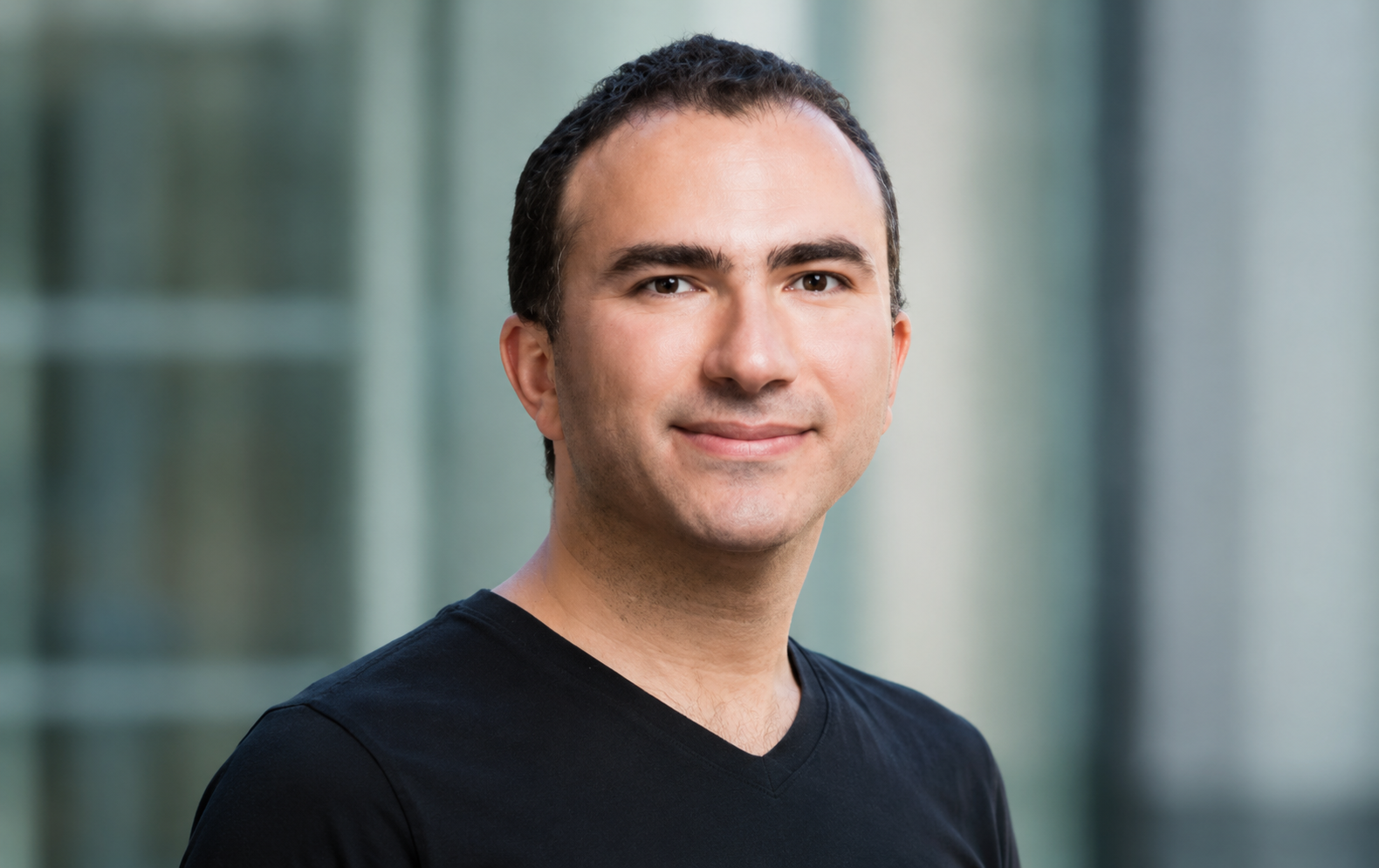
Michelle Cordeiro Grant did not enter the beverage business as a random outsider looking for a trendy category. She came into GORGIE after already proving she knew how to build a modern consumer brand that people actually cared about. That matters because the energy drink market has never really struggled with shelf space or attention. What it has struggled with is relevance for people who want energy without feeling like they are buying into an old-school, overdesigned, hard-edged product identity.
That is where GORGIE started to feel different.
Instead of trying to outdo legacy brands by being louder, more extreme, or more performance obsessed, Michelle Cordeiro Grant took a different route. She looked at the category through the lens of today’s wellness-minded consumer and built a brand that felt lighter, more social, more community-driven, and more in step with how many people actually want to feel during the day. The result was a product that did not just sell caffeine. It sold a point of view.
Michelle Cordeiro Grant’s Path From LIVELY to GORGIE
Before GORGIE, Michelle Cordeiro Grant was best known as the founder of LIVELY, the intimate apparel brand that broke into a crowded space by blending comfort, style, and community. That chapter matters because it shaped the way she thinks about brand building. She was not simply selling products. She was building emotional connection, lifestyle relevance, and cultural fit.
That same instinct shows up clearly in GORGIE.
Her success with LIVELY, which was acquired by Wacoal, gave her more than credibility. It gave her a working blueprint for how to spot an outdated category, find the gap between what people are offered and what they actually want, and create a brand that feels fresh from the first interaction. In LIVELY, she challenged old assumptions around lingerie. In GORGIE, she did something similar with energy drinks.
This is what makes her second act interesting. She did not just move from fashion to beverages. She brought a consumer-brand mindset into a category that had long been dominated by function-first messaging and familiar formulas.
Why Michelle Cordeiro Grant Saw an Opportunity in Energy Drinks
The traditional energy drink aisle has often felt built for a narrow kind of customer. The branding tends to lean aggressive. The product language often centers on intensity, performance, or speed. For a lot of consumers, especially people who care about wellness, taste, ingredients, and aesthetics, that positioning can feel dated.
Michelle Cordeiro Grant recognized that gap.
She saw a market full of products promising energy, but far fewer brands speaking to people who wanted something cleaner, more modern, and easier to fold into everyday life. There was room for a drink that fit naturally into a workday, an afternoon reset, a social plan, or a wellness routine without feeling overly clinical or overly macho.
That insight became the real opening for GORGIE. It was not about creating yet another can with caffeine in it. It was about rethinking what an energy brand could feel like for a different generation of shoppers.
How GORGIE Was Designed to Feel Different From Day One
From the start, GORGIE was positioned as a better-for-you energy drink with a personality of its own. The product line leaned into a formula that felt more approachable for modern consumers, with green tea caffeine, L-Theanine, Biotin, and B vitamins as part of the product story. The brand also emphasized practical details that matter in today’s beverage market, including 0g sugar, low calories, and a cleaner ingredient profile.
That combination gave GORGIE a clear point of difference.
It was not trying to compete on shock value. It was offering a version of energy that felt more aligned with wellness, balance, and daily use. The product was designed to support focus and energy, but the brand presentation made it feel lighter and more inviting than the category norm.
This matters because people do not buy beverages based on ingredient panels alone. They buy how a product makes them feel before they even open the can. With GORGIE, the formula and the branding worked together. One supported the functional promise, and the other made the brand feel culturally current.
The LIVELY Playbook Michelle Cordeiro Grant Brought Into GORGIE
One of the clearest reasons GORGIE feels distinct is that Michelle Cordeiro Grant did not build it like a traditional beverage startup. She brought over lessons from LIVELY, where community, identity, and word of mouth were central to growth.
That playbook shows up in several ways.
First, GORGIE was never framed as just a product. It was introduced as a brand with a mood, a social life, and a personality. Second, the marketing did not depend only on selling benefits in a dry, functional way. It gave people something to connect with emotionally. Third, the brand world around GORGIE made it easier for people to talk about it, post it, and feel like they were part of something current.
This is where Michelle Cordeiro Grant has a real edge as a founder. She understands that in crowded categories, brand identity can be just as important as product quality. A lot of founders know how to make something. Fewer know how to make something feel culturally magnetic.
How Community Helped Shape GORGIE Early On
One of the most interesting parts of the GORGIE story is how openly the brand leans into community. On its own site, the company describes itself as created by followers and friends, with the community helping shape everything from flavor choices to names and benefits. That is not just a catchy line. It reflects a deeper brand philosophy.
Michelle Cordeiro Grant has long understood that customers want more than a polished message pushed at them from above. They want interaction. They want to feel seen. They want to feel like the brand is paying attention.
That kind of thinking helps a young company in two ways. It improves product-market fit because feedback gets closer to the build process. It also strengthens loyalty because people feel connected to the brand story in a more personal way. In a world where social proof and online conversation can shape growth fast, that is a serious advantage.
For GORGIE, community was not an afterthought layered on after launch. It helped define the brand from early on.
From Concept to Shelf Space With GORGIE
Launching a beverage brand is hard enough. Turning that brand into a real retail presence is a different challenge altogether. That is why GORGIE’s move from concept to shelves matters.
The brand’s retail growth gave early proof that the idea was working beyond digital buzz. As the company expanded, GORGIE landed in notable retailers and later announced major growth at Target, with nationwide placement across hundreds of stores. It has also been sold through retailers such as Sprouts, HEB, Kroger, Amazon, and select Whole Foods Market locations in the Northeast.
That kind of expansion says something important. It suggests the brand was not only visually compelling online, but also commercially credible in the eyes of buyers and retail partners. Shelf space is competitive. Brands do not keep earning more of it unless retailers believe there is real consumer demand behind the product.
For Michelle Cordeiro Grant, this stage of the story shows her ability to move from founder vision into scalable execution.
How Michelle Cordeiro Grant Turned GORGIE Into a Brand People Wanted to Share
A lot of products can be sampled once. Far fewer become something people genuinely want to talk about.
GORGIE benefited from being designed for a world where discovery happens through group chats, social feeds, creator culture, and everyday lifestyle moments. The packaging looked current. The tone felt playful. The messaging was more conversational than corporate. Even the way the brand talked about benefits felt more human than technical.
That gave GORGIE a shareability advantage.
It could sit inside wellness content, fashion content, beauty content, founder content, and general lifestyle content without feeling out of place. That kind of flexibility matters because modern consumer brands rarely grow in only one lane. They spread through overlapping communities.
Michelle Cordeiro Grant seems to understand this instinctively. She did not build GORGIE to live only in the energy category. She built it to live in culture.
What Helped GORGIE Stand Out in a Crowded Energy Drink Category
Several things helped GORGIE stand apart.
The first was timing. Consumers were already moving toward cleaner labels, wellness-oriented products, and brands that felt less intimidating and more lifestyle-friendly.
The second was formulation. By focusing on green tea caffeine, L-Theanine, Biotin, and B6 and B12, the brand created a product story that felt different from the usual market script.
The third was brand voice. GORGIE did not sound like an old performance drink. It sounded like a brand speaking in the language of modern consumers.
The fourth was founder credibility. Michelle Cordeiro Grant had already built and exited one recognizable consumer brand. That background gave investors, buyers, media, and customers a reason to pay attention.
The fifth was community-led growth. Instead of treating customers like passive buyers, GORGIE treated them like contributors to the brand experience.
Individually, none of those points would be enough on their own. Together, they created a much stronger competitive position.
GORGIE’s Retail Growth and Market Momentum
Retail growth is where brand storytelling meets real-world performance. A product can get attention online, but long-term momentum usually depends on repeat purchase, retailer confidence, and the ability to keep expanding distribution.
For GORGIE, broader placement helped turn the brand from an interesting startup into a more serious market player. Being stocked by retail names people already trust gives a young beverage company more visibility and more legitimacy. It also introduces the product to shoppers who may never have found it through social media alone.
That is one reason the Target expansion mattered so much. It signaled that GORGIE was moving beyond niche discovery and into a more mainstream retail environment. For a brand built on freshness, community, and modern positioning, that kind of growth showed there was room in the market for a different kind of energy drink.
What Entrepreneurs Can Learn From Michelle Cordeiro Grant and GORGIE
There is a useful lesson in the way Michelle Cordeiro Grant approached GORGIE. She did not enter a category by copying what already worked for incumbents. She entered by questioning what no longer worked for a growing share of the market.
She also shows that founder success does not come from product alone. It comes from understanding people. GORGIE works as a case study in how to pair product formulation with identity, community, and cultural timing.
Another lesson is that previous success does not have to trap a founder in the past. Michelle Cordeiro Grant clearly brought lessons from LIVELY, but she did not simply repeat the same business in a new wrapper. She adapted her strengths to a new category.
There is also something important about the brand’s tone. GORGIE feels intentional without feeling overbuilt. It feels polished without losing personality. In consumer markets, that balance is hard to get right.
At a higher level, the story shows what can happen when a founder understands both the emotional and commercial side of branding. Michelle Cordeiro Grant did not just make a drink that offered energy. She helped create a brand that reframed how energy could be packaged, discussed, and experienced.