When most founders walk onto Shark Tank, the goal is obvious. Get a deal, shake hands, and leave with a famous investor on your side. Kim Lewis took a different path. She appeared on the show, got an offer for CurlMix, and still chose to walk away.
At first glance, that kind of move looks risky. For a young brand, turning down national TV money can sound like a mistake. But in the case of Kim Lewis and CurlMix, it became one of the clearest examples of what happens when a founder trusts the business, knows the customer, and refuses to give up control too early.
The real story is not just about saying no to a Shark Tank deal. It is about what happened after that moment. CurlMix kept growing because the company had something stronger than television buzz. It had product demand, a loyal community, a founder who listened closely, and a brand that knew exactly who it was built for.
Who Kim Lewis Is and How CurlMix Started
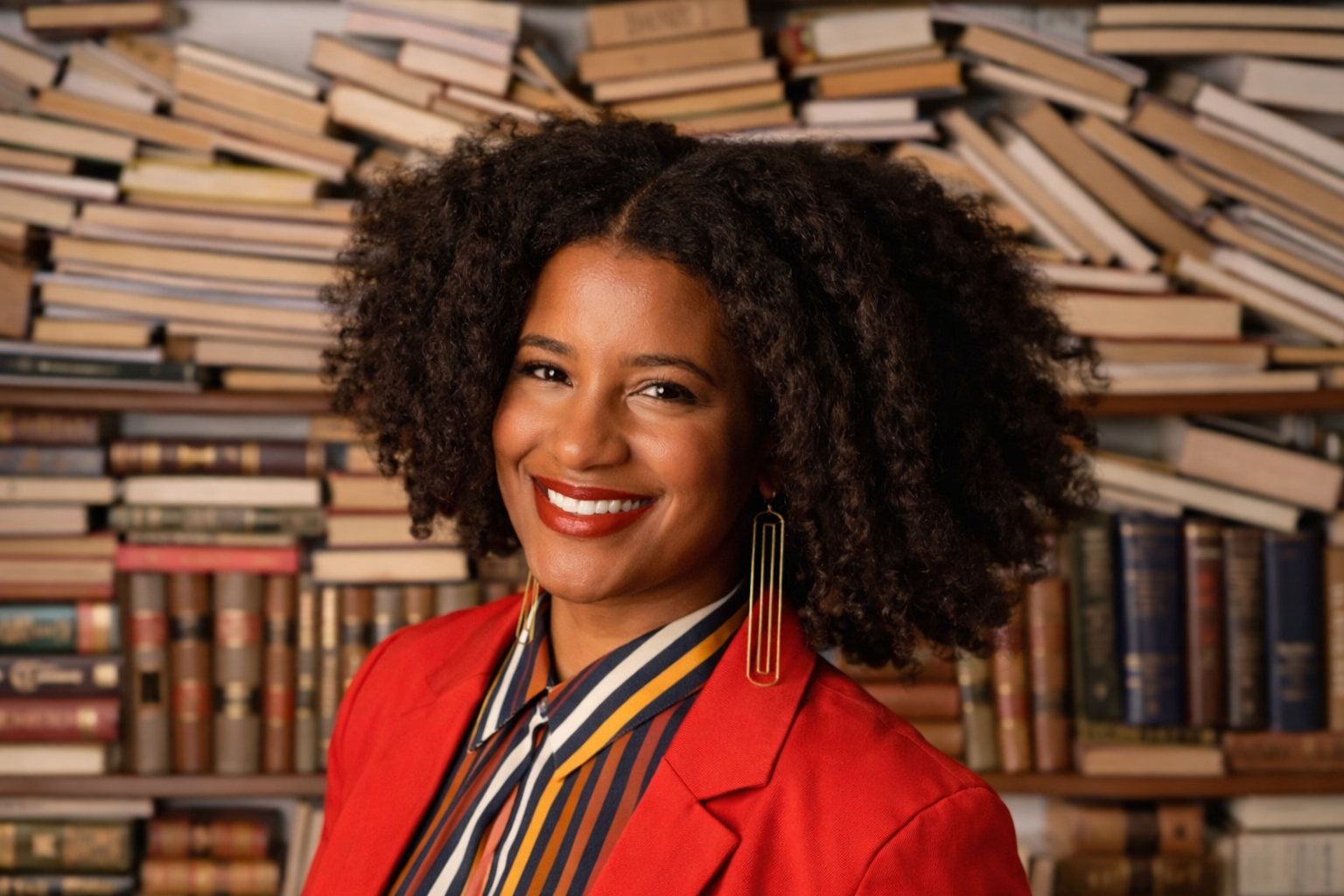
Kim Lewis is the co-founder and CEO of CurlMix, a hair care brand built for people with curly, coily, and textured hair. The idea behind the brand was personal from the start. Kim wanted products that felt safe, effective, and simple to use, especially for women who were tired of guessing their way through wash day.
When CurlMix first launched in 2015, it was not the ready-made hair care brand many people know today. The company started as a DIY subscription box. Customers received ingredients and instructions so they could mix their own products at home. It was creative, different, and clearly aimed at a community that wanted more control over what went into their hair.
That early version of the business mattered because it gave Kim and her team direct access to what their customers actually wanted. They were not building in a vacuum. They were learning in real time, seeing what people loved, what they skipped, and what they kept coming back for.
The Early Business Model That Needed a Pivot
The first version of CurlMix had a strong concept, but a strong concept is not always the same as a scalable business. The DIY subscription model helped the brand stand out, but it also had limits. It asked customers to spend time mixing products themselves, and not every shopper wants that kind of effort, even when they care deeply about ingredients.
That is where many founders get stuck. They fall in love with the first idea and keep trying to force it to work. Kim Lewis did something smarter. She paid attention.
Instead of treating the original model as untouchable, she looked at what customers were doing and what they were asking for. That mindset changed everything. It turned CurlMix from an interesting startup idea into a business that was actually ready to grow.
How Customer Demand Helped Shape CurlMix
The breakthrough came when customers kept responding strongly to one product in particular: flaxseed gel. People did not just like it. They wanted it in a ready-made format. That demand told Kim something important. Customers were not only buying into the brand story. They were showing her exactly where the real opportunity was.
So CurlMix pivoted.
The company moved away from the original DIY box model and focused on ready-made products, especially its Wash and Go system and signature flaxseed gel. That shift sounds simple when you say it quickly, but it was a huge business decision. It meant changing operations, changing product strategy, and betting that convenience would unlock a much bigger market.
It did.
This is one of the most important parts of the Kim Lewis CurlMix story. The growth did not come from stubbornly protecting the first version of the business. It came from listening, adjusting, and following real customer behavior. That is often where product market fit starts.
The Shark Tank Deal That Kim Lewis Chose to Reject
Once CurlMix had more traction, the company landed one of the biggest visibility moments a startup can get: Shark Tank. For most viewers, the headline was obvious. Robert Herjavec offered $400,000 for 20 percent of the company.
And Kim Lewis said no.
That decision is a big reason people still talk about CurlMix after Shark Tank. Walking away from a deal on national television takes confidence, especially when the offer comes from a well-known investor. But Kim and her team were thinking beyond the excitement of the moment. They were thinking about ownership, future value, and what the business could become if they stayed patient.
It is easy to assume that any TV deal is a win. In reality, founders have to live with the terms long after the cameras stop rolling. Kim understood that. She knew Shark Tank could bring attention, but attention and alignment are not the same thing.
Why Saying No Turned Into a Smarter Long Term Move
Turning down the deal did not mean rejecting growth. It meant rejecting terms that did not feel right.
That distinction matters.
By walking away, Kim Lewis and her team kept more control over CurlMix. They kept more of the upside. They kept the freedom to build on their own timeline. And just as importantly, they proved they were not desperate enough to accept any offer simply because it came with a spotlight.
That kind of discipline often separates founders who build lasting companies from founders who chase short-term validation. Kim did not just want a famous investor. She wanted the right path for the business.
The appearance still helped. Shark Tank gave CurlMix visibility, credibility, and a wider audience. But the company was able to benefit from that exposure without locking itself into a deal that did not match its long-term vision.
How CurlMix Grew After Shark Tank
The years after the show are what make this story so interesting. CurlMix did not fade after the episode aired. It kept growing.
That growth came from a mix of things working together. The brand had a clearer product focus. The messaging was sharper. The customer base was loyal. The company had a stronger understanding of what made it different in the crowded beauty brand space.
Instead of trying to be everything to everyone, CurlMix leaned harder into what made it matter to its audience. It focused on textured hair, clean ingredients, simplified routines, and visible results. That clarity helped the brand strengthen its direct-to-consumer model and deepen trust with customers who wanted something made with them in mind.
Over time, that strategy translated into real business growth. CurlMix moved from startup survival mode into serious scaling mode, showing that the company’s momentum did not depend on one television deal.
The Power of Community in the CurlMix Growth Story
One of the biggest reasons CurlMix became more than a passing startup story is community. Kim Lewis did not build a brand that only sold products. She built one that made customers feel seen.
That matters a lot in hair care, especially in the natural hair care and curly hair products space. People are not just buying shampoo, conditioner, or gel. They are buying trust. They are buying a routine that works. They are buying from a brand that understands their hair, their frustrations, and their goals.
CurlMix created that kind of connection. The brand educated customers, built conversations around curls and coils, and gave people more confidence in their routines. That level of trust is hard to fake, and it is even harder for competitors to copy.
By the time CurlMix reached its next phase of growth, the company had something many brands spend years chasing: a loyal audience that already felt emotionally invested in the journey.
How Kim Lewis Used Crowdfunding Instead of Traditional Venture Capital
This is where the CurlMix success story becomes even more interesting. Rather than relying only on traditional venture capital, Kim Lewis leaned into equity crowdfunding.
That move fit the brand perfectly.
If CurlMix had already built a real community, why not invite that community to become part of the ownership story too? Instead of keeping investment limited to a small circle of traditional backers, Kim opened the door wider. Customers and supporters could invest in a brand they already believed in.
That choice matched the company’s identity. It also turned loyalty into momentum. Community-backed funding was not just a money decision. It was a brand decision. It reinforced the idea that CurlMix was growing with its audience, not away from it.
For founders watching from the outside, this part of the Kim Lewis entrepreneur journey is worth paying attention to. She did not follow the standard script just because it was standard. She found a funding path that made sense for the business she had actually built.
What Made the CurlMix Brand Stand Out
A lot of beauty brands talk about ingredients and results. CurlMix stood out because it paired that with specificity.
The company knew who it was for. It built products for curly hair, coily hair, and textured hair customers who wanted simpler routines and better outcomes. Its Wash and Go System, flaxseed gel, and broader product line gave the brand a recognizable identity in the market.
It also helped that Kim Lewis was not trying to build a vague lifestyle brand with generic messaging. The voice behind CurlMix felt focused and founder-led. Customers could tell there was a real point of view behind the business.
That clarity made it easier for the company to grow online, build repeat purchases, and earn stronger word of mouth. In ecommerce, especially in hair care, repeat trust matters more than one-time attention.
Leadership Lessons From Kim Lewis and CurlMix
There are several reasons the Kim Lewis CurlMix story keeps resonating with founders and marketers.
First, it shows the value of listening closely to customers. The pivot into ready-made products happened because demand made the next step obvious.
Second, it shows that visibility is useful, but visibility alone does not build a business. Shark Tank gave CurlMix exposure, but the company still had to execute after the show.
Third, it reminds founders that ownership matters. Not every deal is worth taking, especially when the long-term potential of the company is bigger than the short-term relief an offer provides.
Fourth, it highlights the strength of community investing, customer loyalty, and a brand strategy built on trust rather than hype.
And finally, it proves that good founders stay flexible. They do not confuse changing direction with failure. They understand that a smart pivot can be the thing that unlocks everything else.
How CurlMix Expanded Beyond Its Early Online Growth
As the business matured, CurlMix grew beyond its early direct-to-consumer roots. The company’s online success helped build the foundation, but broader expansion showed that the brand had moved into a new stage.
By this point, Kim Lewis was no longer just building a promising startup. She was leading a brand with national recognition, stronger revenue numbers, and a bigger footprint in the beauty industry. That shift matters because it shows the company did not stop at surviving. It kept evolving.
The story also speaks to a larger trend in modern consumer brands. Some of the strongest businesses are not built by following every traditional rule. They are built by understanding a specific audience better than anyone else, creating real product demand, and growing with enough patience to protect the value being created.
For CurlMix, that meant turning a televised no into a much bigger business story. And for Kim Lewis, it meant proving that walking away from one famous deal did not close a door. It opened a better one.