Most convenience stores are built around one simple promise: get in, grab what you need, and get out. For years, that model worked just fine. But it also left a lot of room for improvement. Shoppers became more ingredient-aware, more brand-curious, and more selective about what they put in their carts, even when they were only stopping in for a quick snack or drink.
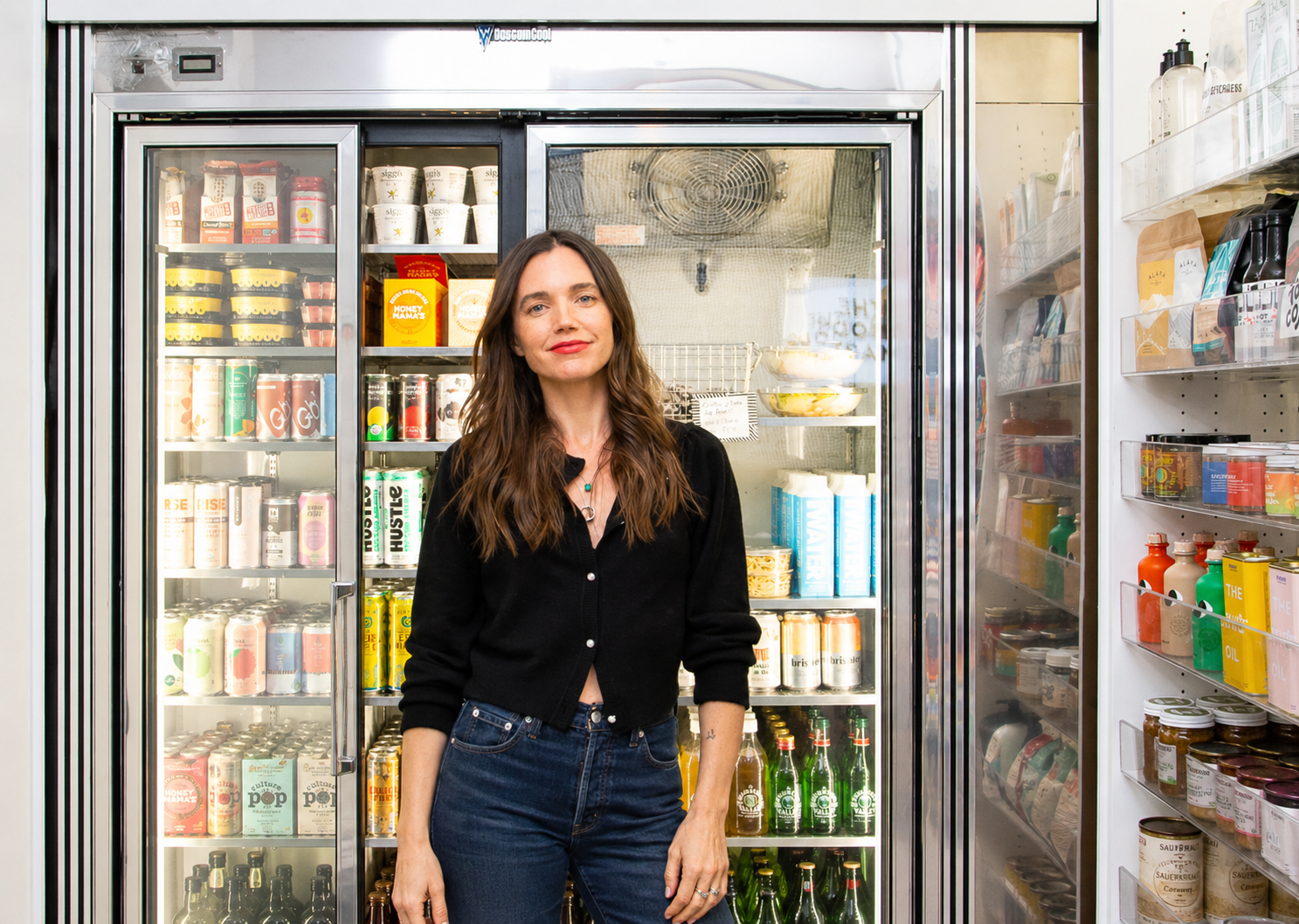
Rachel Krupa saw that shift early. Instead of treating convenience as a category that had to stay stuck in the past, she saw the chance to update it for a different kind of customer. That idea became The Goods Mart, a retail concept that took the familiarity of a neighborhood convenience store and gave it a more thoughtful, modern feel. It was still built around ease and speed, but the shelves told a different story. Better-for-you snacks, functional beverages, emerging CPG brands, and a strong sense of curation helped the shop stand apart from the usual grab-and-go setup.
What made Rachel Krupa’s approach interesting was not just the store itself. It was the way she blended retail innovation, brand discovery, wellness retail, and everyday accessibility into one concept that felt fresh without feeling overly precious. The Goods Mart did not try to be a luxury market or a health food store in disguise. It aimed to be a smarter convenience store for modern shoppers who wanted more from the category.
Rachel Krupa’s Background Before The Goods Mart
Before launching The Goods Mart, Rachel Krupa had already built a strong reputation in branding, communications, and consumer marketing. Her work in public relations and brand strategy gave her a close look at how emerging food and beverage brands were being built, positioned, and talked about. She understood the difference between what companies wanted to sell and what consumers were actually excited to buy.
That experience mattered. Founders with a background in brand-building often see patterns that others miss, and Krupa was in a position to notice how quickly shopper preferences were changing. Consumers were paying more attention to ingredients, packaging, sourcing, and product story. They were also becoming more open to trying newer brands instead of automatically reaching for the same legacy products they had always known.
That mix of insight helped shape The Goods Mart from the beginning. Krupa was not entering retail blindly. She understood consumer behavior, the power of merchandising, and the importance of telling a clear story through product assortment. In many ways, her experience with founder-led brands and consumer culture became one of her biggest advantages.
The Market Gap Rachel Krupa Saw in Convenience Retail
Traditional convenience stores were built for speed, but they were not always built for the way people actually wanted to shop anymore. Shelves were often crowded with the same old national brands, heavy on artificial ingredients, sugary drinks, and limited discovery. That may have worked for a long time, but the rise of better-for-you snacks and modern food brands changed expectations.
Customers wanted healthier choices without having to make a separate trip to a specialty store. They wanted functional beverages, cleaner labels, non-GMO options, and snacks that felt more aligned with their lifestyle. At the same time, many smaller emerging brands struggled to land shelf space in traditional retail environments dominated by bigger players.
Rachel Krupa recognized that those two realities created a real opening. Shoppers were ready for a convenience store that felt more current, and younger brands needed places where they could actually be seen. The Goods Mart stepped into that gap by offering a more curated retail experience that made convenience feel relevant again.
How The Goods Mart Started
When The Goods Mart launched, the idea was simple enough to understand and different enough to stand out. It took the corner store format people already knew and reworked it through the lens of modern consumer habits. The result was a neighborhood shop where customers could quickly grab drinks, pantry items, and snacks, but do it in a way that felt more intentional.
That early concept mattered because it was not trying to reinvent retail in a way that confused people. The Goods Mart still fit into daily life. It still served the quick-stop shopper. What changed was the product mix and the overall feel. Instead of walking into a space dominated by tired categories and predictable choices, customers found a store built around discovery, taste, and better ingredients.
That balance helped the business feel accessible. It was not niche in a way that made casual shoppers feel excluded. It was simply smarter. That positioning gave The Goods Mart a clear identity in a crowded retail landscape.
What Makes The Goods Mart Different From a Traditional Convenience Store
The biggest difference between The Goods Mart and a standard convenience store comes down to curation. Rather than stocking shelves with a generic mass-market assortment, the company leaned into products that reflected changing consumer preferences. Better-for-you snacks, modern beverages, pantry staples, and mission-driven brands played a central role in shaping the store’s identity.
That kind of curation does more than make a shelf look appealing. It builds trust. Shoppers start to feel that someone has already done the filtering for them. They do not have to spend ten minutes reading every label or comparing endless options. The store itself becomes part of the value because it reduces friction while still giving customers better choices.
This is where Rachel Krupa’s retail strategy really stands out. The Goods Mart was not built to overwhelm people with wellness language or make convenience feel aspirational in an unrealistic way. It kept the category familiar while improving the quality of what was on offer. That gave it a competitive edge in a space that had often been slow to change.
Rachel Krupa’s Strategy for Curating Emerging Brands
One of the most compelling parts of The Goods Mart story is how strongly it connected convenience retail with brand discovery. Rachel Krupa understood that shoppers were increasingly interested in trying something new, especially when that new product came with a strong founder story, better ingredients, or a fresh take on a familiar category.
By giving emerging CPG brands room on the shelf, The Goods Mart created value on both sides of the counter. Customers got to discover brands they might not have found in a typical convenience store. Meanwhile, smaller companies got access to a retail environment where their products could actually stand out instead of being buried under larger competitors.
That made The Goods Mart more than a place to buy snacks. It became a kind of product discovery platform. The curation itself became part of the brand promise, and that helped the company build loyalty with shoppers who enjoyed finding something different each time they walked in.
Making Convenience Feel More Personal and Community Driven
Another reason The Goods Mart connected with modern shoppers is that it felt more personal than a typical convenience store. Traditional convenience retail often feels transactional. You walk in, pay, and leave without much thought. Rachel Krupa built a concept that invited more engagement.
That sense of community can come from the way products are selected, the way the store is merchandised, and the way the brand presents itself in the neighborhood. People are more likely to return to a store when it feels like it reflects their tastes and values. They are also more likely to recommend it when it gives them something worth talking about.
For The Goods Mart, that meant creating a shopping experience that felt local, current, and easy to connect with. Even though the format was based on convenience, the experience offered something more memorable than a simple transaction. That helped the brand develop a stronger identity than many businesses in the same category.
How Accessibility Helped The Goods Mart Stand Out
A big part of the company’s appeal came from the fact that it did not position better-for-you products as something only a niche audience should care about. Rachel Krupa understood that modern convenience would only work if shoppers saw it as realistic for everyday life.
That meant thinking carefully about price point, product mix, and customer expectations. If healthier snacks and drinks are treated as rare premium items, they stop feeling convenient. The Goods Mart worked because it tried to make better choices feel normal, approachable, and integrated into daily routines.
That approach gave the business broader appeal. The target customer was not only someone deeply immersed in wellness culture. It also included busy professionals, casual snack shoppers, and people who simply wanted better options in a familiar format. Accessibility helped the concept feel practical rather than performative.
Growth Beyond the Original Store Concept
As The Goods Mart gained attention, its value extended beyond the four walls of a store. The same curation mindset that worked in retail could also be applied in other settings. That opened the door to growth through hospitality, corporate snack programs, hotel minibars, cafés, and other business-to-business channels.
This kind of expansion made strategic sense. It allowed The Goods Mart to reach more customers without depending only on foot traffic. It also reinforced the company’s position as a curator of modern food and beverage brands rather than just a small-format retailer.
For Rachel Krupa, that broader model likely strengthened the brand’s long-term potential. It turned The Goods Mart into something more flexible and scalable. Instead of being limited to one format, it could function as both a retail concept and a discovery engine for emerging brands in multiple environments.
Rachel Krupa’s Business Model and Competitive Edge
The Goods Mart stands out because it sits at the intersection of several trends at once. It taps into convenience, wellness, discovery, merchandising, and founder-led consumer culture. That combination gives the business a distinct position in the market.
Its business model works because it serves two different groups in a meaningful way. For shoppers, it offers a smarter convenience experience with cleaner ingredients, better packaging, and more interesting choices. For brands, it offers shelf presence, visibility, and alignment with a retailer that understands how to tell product stories.
That dual value proposition is not easy to build, but it can be powerful when it works. Rachel Krupa’s background likely helped her understand how to balance both sides. The result is a concept that feels current because it is not just about what is sold, but about how the store fits into broader shifts in consumer behavior.
Challenges Rachel Krupa Likely Faced While Building The Goods Mart
Building a business like The Goods Mart was never going to be effortless. Reimagining an established category comes with its own challenges. Consumers already know what a convenience store is, which means the company had to change expectations without making the concept too complicated to understand.
There is also the challenge of maintaining a clear brand identity while growing. As more products, more partnerships, and more channels come into play, it becomes harder to stay consistent. A business built on curation has to protect its standards carefully because the quality of the assortment is part of the whole brand promise.
Competition is another factor. Retail is crowded, and the food and beverage market moves quickly. Trends come and go, and customers can be difficult to hold onto if the experience starts to feel generic. That makes continued innovation essential. The Goods Mart had to stay sharp not just in what it stocked, but in how it positioned itself in an evolving retail environment.
What Other Founders Can Learn From Rachel Krupa and The Goods Mart
Rachel Krupa’s story offers a useful lesson for founders in retail and beyond. One of the clearest takeaways is that strong businesses often come from improving something familiar rather than inventing something completely foreign. Convenience stores were already everywhere. What Krupa did was notice that the category no longer matched the expectations of many modern shoppers.
Another lesson is the value of curation. In a crowded market, people do not always want more options. They want better choices. When a company earns trust through thoughtful selection, that trust can become a real advantage.
Founders can also learn from the way The Goods Mart connected customer needs with brand opportunity. It did not only chase consumer demand. It also created space for emerging brands that fit the moment. That kind of alignment can turn a simple retail concept into a stronger platform with longer-term relevance.
Rachel Krupa’s Role in Shaping a Smarter Convenience Experience
Rachel Krupa helped push the conversation around convenience retail in a more modern direction. The Goods Mart showed that a neighborhood convenience store could be about more than impulse buys and outdated product mixes. It could reflect how people actually shop now, what they care about, and how much value they place on discovery.
That is what makes her story worth paying attention to. She did not just launch another retail business. She built a concept that challenged assumptions about what convenience should look like for today’s customer. By blending accessibility, better-for-you products, strong curation, and a real understanding of consumer culture, Rachel Krupa positioned The Goods Mart as a smarter convenience concept for modern shoppers.