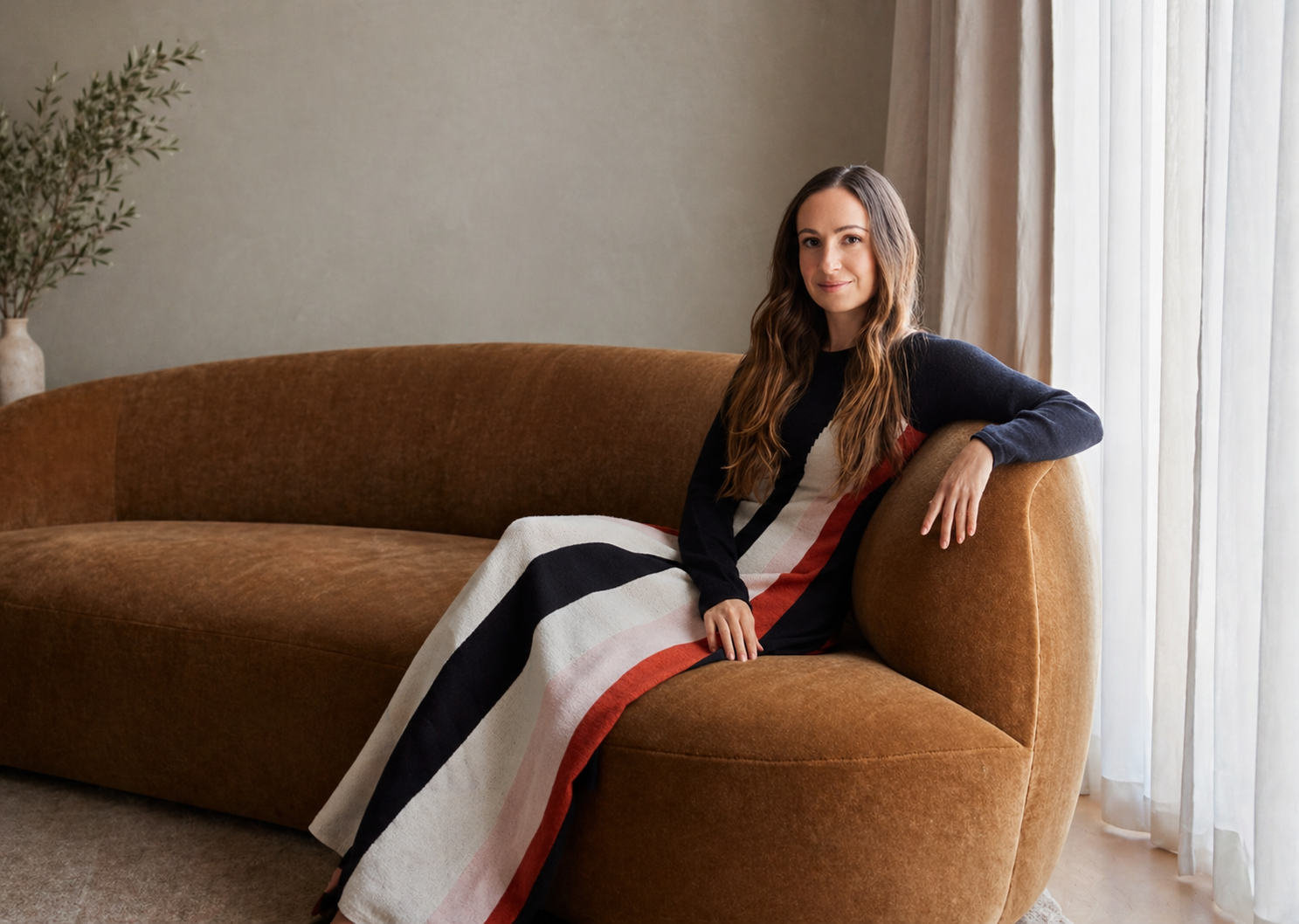
Ariel Kaye did not build Parachute by trying to become the biggest home brand overnight. She started with a sharper idea than that. Instead of launching a broad home company with too many categories and too many promises, she focused on one part of everyday life that people use constantly but rarely feel excited about buying: bedding.
That focus gave Parachute a real edge early on. The brand entered the market with a cleaner point of view, a more modern look, and a shopping experience that felt far less overwhelming than what many legacy bedding companies were offering. From there, Ariel Kaye expanded Parachute step by step, turning it from a direct-to-consumer bedding startup into a broader lifestyle brand associated with comfort, design, and a certain kind of relaxed modern living.
What makes her story stand out is that Parachute never felt like it was only selling sheets. It was selling a feeling. It was selling the idea that home essentials could be soft, elevated, and thoughtfully designed without becoming fussy or inaccessible. That brand identity helped Parachute grow beyond its original category and become a recognizable name in modern home retail.
Who Is Ariel Kaye and Why Did She Start Parachute
Ariel Kaye is the founder behind Parachute, the Los Angeles-based home brand that launched in 2014. Before starting the company, she was not coming from a long traditional bedding background. What she did have was a strong sense of branding, storytelling, and consumer behavior, and those skills ended up mattering just as much as product knowledge.
Her starting point was simple but powerful. She saw a gap in the bedding market. Buying sheets often felt confusing, overpriced, and strangely impersonal. Shoppers were expected to sort through industry jargon, inflated claims, and crowded store displays without really understanding what made one product better than another. For a category so closely tied to comfort and sleep, the experience felt disconnected from how people actually wanted to shop.
That insight became the foundation of Parachute. Ariel Kaye did not try to reinvent the entire home industry on day one. She identified one frustrating customer experience and built a brand around making it better. In a crowded consumer space, that kind of clarity matters. It gave Parachute a reason to exist that was easy to understand and easy to remember.
How Parachute Entered the Market With a Clear Point of View
One of the smartest things Ariel Kaye did was keep the launch focused. Parachute did not begin as a giant catalog of home goods. It started with premium bedding and sleep essentials, which allowed the brand to go deep before going wide.
That decision helped in a few important ways. First, it made the brand easier to position. Customers quickly understood what Parachute was about. Second, it helped the company maintain quality and consistency in its early stage. Third, it gave the brand a tighter identity, which is often what separates memorable startups from forgettable ones.
Parachute’s early appeal was built around premium materials, an edited product range, and a more relaxed, modern visual language. The brand did not lean on old-fashioned luxury cues. Instead, it presented bedding as part of a calm, intentional way of living. That was especially effective in the direct-to-consumer space, where younger shoppers were already responding to brands that felt more curated and more emotionally aware.
Rather than compete on endless choice, Parachute competed on taste, trust, and simplicity. That is a big part of why the company caught attention so quickly.
Why Branding Played Such a Big Role in Parachute’s Early Growth
Parachute’s growth was never only about product. Branding played a huge role in how the company moved from startup to standout name.
From the beginning, the brand had a distinct feel. It leaned into an airy, clean, California-inspired aesthetic that felt warm rather than sterile. The imagery was soft. The colors were understated. The messaging was calm and confident. Everything from the website to the packaging helped create a clear emotional world around the product.
That matters because consumers rarely buy home goods based on function alone. They buy into how those products fit into their lives. Ariel Kaye understood that bedding was not just bedding. It was tied to sleep, rest, comfort, routine, and the idea of home as a personal sanctuary.
Parachute succeeded in turning practical products into part of a bigger lifestyle conversation. It made everyday essentials feel aspirational without making them feel out of reach. That balance is difficult to get right, and it is one reason the brand stood out in a crowded home goods market.
How Ariel Kaye Expanded Parachute Beyond Bedding
Once Parachute had established itself in bedding, Ariel Kaye began expanding the brand in a way that felt natural instead of forced. This is where the shift from startup to lifestyle brand became more obvious.
The company moved into bath products, robes, decor, mattresses, rugs, and other home essentials. Over time, Parachute became less about what happens on the bed and more about how the home feels as a whole. That broader approach gave the brand more room to grow while still staying connected to its original promise of comfort and quality.
This kind of expansion only works when the core brand is strong enough to carry new categories. Consumers had already come to trust Parachute for premium bedding and a polished customer experience. That trust made it easier for them to believe the company could deliver the same level of care in bath linens, lounge items, and other home products.
A lot of brands expand too early or too randomly. Parachute’s expansion felt more disciplined. It stayed within an understandable world. Each new category still fit the same lifestyle story, which helped the brand grow without losing its identity.
The Business Moves That Helped Parachute Scale
Branding helped Parachute get noticed, but scaling a company takes more than a strong look and a nice product page. Ariel Kaye also had to make the business moves that would allow the brand to grow.
A major milestone came in 2018, when Parachute raised a $30 million Series C funding round led by H.I.G. Growth Partners. That was an important signal. It showed that Parachute was no longer just an interesting direct-to-consumer startup with good taste. It had become a serious business with expansion potential.
Funding on that level matters for a home brand because growth requires infrastructure. Product development, supply chain management, hiring, customer experience, physical retail, and category expansion all demand resources. Outside investment gave Parachute more room to build at a larger scale.
Just as important, the funding reinforced that Ariel Kaye had built something investors believed could last. In a market full of trend-driven consumer brands, that kind of confidence is not automatic.
How Retail Helped Turn Parachute Into a Bigger Home Brand
Parachute first made its name as a digitally native brand, but Ariel Kaye understood that home products benefit from physical experience too. People want to see texture, feel fabric, and imagine products in real space. That made retail a meaningful part of Parachute’s next phase.
As the company grew, it expanded its retail presence and also leaned into strategic partnerships that widened its audience. One notable move was the Parachute collaboration with Crate and Barrel in 2021, which brought exclusive bedding and bath products to a broader retail setting. That partnership helped reinforce Parachute’s credibility as a design-led home brand while also introducing it to shoppers who may not have discovered it through direct-to-consumer channels.
Later, the brand launched Parachute for Target, a move that opened the door to a much bigger customer base. This mattered because it showed the brand could reach more mainstream shoppers without completely losing the visual identity and product story that made it appealing in the first place.
Retail growth is often where a brand’s positioning gets tested. If the identity is weak, broader distribution can make the brand feel diluted. Parachute managed to expand while still feeling recognizably like Parachute, and that says a lot about the strength of the brand Ariel Kaye built.
Ariel Kaye’s Personal Brand and Leadership Style
Another part of Parachute’s growth story is Ariel Kaye herself. She was not a faceless founder hidden behind the logo. Her perspective became part of the brand.
That matters more than some people realize. Founder-led brands often feel more human because there is a real voice behind them. In Ariel Kaye’s case, her interest in intentional living, comfort, and thoughtful design gave the brand more personality. It helped Parachute feel like it was built from a genuine point of view rather than a generic market opportunity.
Her 2020 book, *How to Make a House a Home*, extended that perspective beyond product. It connected her name more directly to ideas around home, routine, and personal space. In other words, it deepened the lifestyle side of the brand. People were no longer only buying bedding from Parachute. They were buying into a broader way of thinking about home.
That founder presence also made the company easier to relate to. Consumers often connect more strongly with brands when they understand who is behind them and why they care.
What Made Parachute Feel Different From Other Home Brands
A lot of companies sell bedding. A lot of brands talk about comfort. What made Parachute different was the way it packaged those familiar ideas into something more emotionally resonant and visually consistent.
Traditional bedding brands often felt transactional. They sold product specs, discounts, and retail promotions. Parachute sold a clearer lifestyle image. It treated the bedroom and the home as places worth investing in, not just areas to fill with functional goods.
The company also benefited from timing. Consumers were becoming more comfortable buying home essentials online, and many were looking for brands that felt more modern than department store labels. Parachute met that demand with a design-first identity, premium positioning, and an easier shopping experience.
At the same time, it did not try to become a trend-chasing brand. The aesthetic stayed relatively steady. The messaging stayed grounded in comfort, quality, and ease. That consistency helped build trust, and trust is one of the biggest growth advantages any consumer brand can have.
Lessons Entrepreneurs Can Learn From Ariel Kaye and Parachute
There are a few reasons Ariel Kaye’s path with Parachute is especially useful for other founders to study.
The first is the power of starting narrow. Parachute did not launch with every possible home category. It began with bedding and built authority there before expanding.
The second is that product and brand have to work together. Great branding without product quality usually falls apart. Great products without a distinct brand often struggle to get noticed. Parachute grew because it combined both.
The third is that expansion works best when it feels connected. Ariel Kaye did not move Parachute into random categories that had nothing to do with the original promise. She expanded into adjacent areas that strengthened the same story.
The fourth is that founder identity can be an asset. Ariel Kaye’s personal voice added depth to the brand and helped Parachute feel more real in a crowded market.
Finally, Parachute shows that lifestyle brands are not created by calling a company a lifestyle brand. They become lifestyle brands when consumers begin to associate them with a broader way of living. Ariel Kaye earned that shift by building a brand world people wanted to step into.
Why Ariel Kaye’s Success With Parachute Still Stands Out
Ariel Kaye’s success with Parachute stands out because she built more than a bedding company. She built a brand that understood how modern consumers wanted to shop, what they wanted their homes to feel like, and how design and comfort could shape a business far beyond one product category.
Parachute’s story is not only about premium sheets or well-styled bedrooms. It is about focused brand building, disciplined expansion, and knowing how to create emotional relevance in a practical category. By starting with a clear market gap and growing into a larger home lifestyle space, Ariel Kaye turned Parachute into a brand with staying power.
For anyone looking at founder-led consumer brands, her journey offers a strong example of what can happen when a company grows with intention instead of noise.