Private markets have become a bigger part of modern investing, but the systems behind them have not always kept pace. Wealth managers, family offices, RIAs, and institutional allocators may now have more access to private equity, private credit, venture capital, real estate, and other alternative investments, yet many of the daily workflows still depend on PDFs, email threads, spreadsheets, and manual data entry.
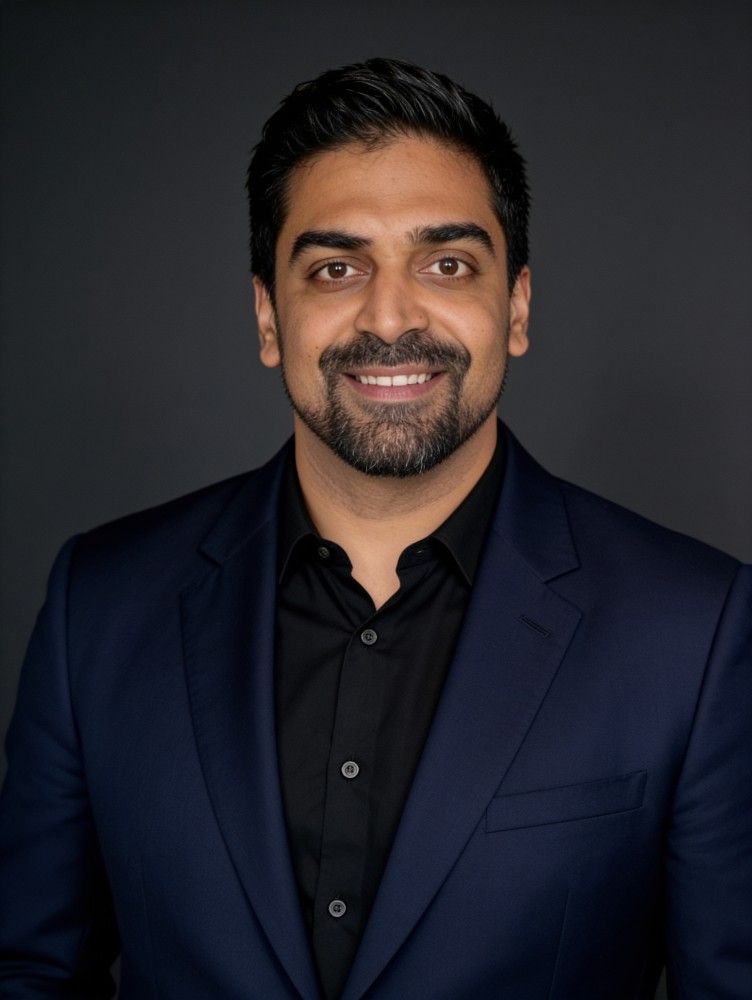
That is the gap Alex Goodwin is trying to close with Bridge.
As the co-founder and CEO of Bridge Investment Technologies, Goodwin is building technology for a part of finance that has long needed better infrastructure. The company is focused on helping private-market allocators organize documents, extract data, generate insights, and manage investment workflows in one more connected system. In a market where speed, accuracy, and visibility matter, Bridge is positioning itself as an AI-native operating layer for alternative investments.
The story is not just about another fintech startup using artificial intelligence. It is about a founder with private-market experience building for a problem he understands closely. Goodwin’s work with Bridge reflects a larger shift in finance, where private-market growth is creating demand for better data, cleaner reporting, and less manual operational work.
Who is Alex Goodwin
Alex Goodwin is the co-founder and CEO of Bridge, a company focused on modernizing private-market infrastructure. Before launching Bridge, Goodwin built experience across investing, corporate development, and business strategy. His background includes time as an investor at Audax Group and Leonard Green & Partners, along with corporate development experience at Winc, a Bessemer-backed company.
That mix of private equity and operating experience matters because Bridge is not trying to solve a simple software problem. Private markets are complex by nature. Fund documents are often unstructured. Reporting formats vary by manager. Capital calls, distributions, statements, performance updates, and investor communications can arrive in different systems and formats. For teams managing many funds and vehicles, the work can quickly become messy.
Goodwin also studied at Harvard Business School, where he met Ayo Ekhator, Bridge’s co-founder and COO. Ekhator brought his own private-market background from firms such as Blackstone and Apax Partners. Together, they saw an opportunity to build technology around the operational layer of alternative investments, not just around access to deals.
That founder-market fit gives Bridge a practical starting point. Goodwin and his team are not looking at private markets from the outside. They are building around the pain points that investors, allocators, and wealth platforms face when they try to manage private-market exposure at scale.
What Bridge is building
Bridge is building an AI-native operating system for private-market allocators. In simple terms, it is designed to help investment teams manage the data and workflows that sit behind alternative investments.
Private-market investing creates a heavy flow of information. A single fund investment can generate subscription documents, capital call notices, distribution notices, quarterly statements, performance updates, tax documents, due diligence files, and manager communications. Multiply that across many funds, clients, asset classes, and managers, and the operational burden becomes serious.
Bridge aims to bring those moving parts into a more organized workflow. Its platform focuses on areas such as document collection, data extraction, reporting, workflow automation, and insight generation. Instead of leaving teams to pull details manually from PDFs or reconcile fund-level information in spreadsheets, Bridge uses AI and software infrastructure to help make private-market data easier to use.
The company serves wealth management firms, registered investment advisers, family offices, and institutional investors. These are groups that may already have exposure to alternative investments but need better tools to manage them. For these users, the real challenge is not always finding private-market products. It is keeping track of what they own, what is changing, what actions are required, and how those investments are performing.
The private-market infrastructure problem Alex Goodwin is trying to solve
Private markets have grown quickly, but the back-office systems supporting them can still feel outdated. Many firms have strong investment teams, sophisticated portfolios, and growing client demand for alternatives, yet the workflow behind those investments often remains manual.
A private-market allocator may need to track commitments, unfunded obligations, capital calls, distributions, net asset values, internal rates of return, fund exposures, manager updates, and liquidity timelines. Much of that information comes from different documents and different fund managers. It does not always arrive in a clean, structured format.
That creates several problems.
First, teams spend too much time collecting and organizing information. Instead of focusing on investment decisions or client relationships, employees may be chasing documents, updating spreadsheets, or checking numbers across systems.
Second, reporting becomes harder. Advisors and allocators need clear views of performance, exposure, and portfolio movement. When data is scattered, reports can take longer to prepare and may lack the level of detail decision-makers want.
Third, private-market data can be difficult to analyze. If information lives in PDFs, inboxes, portals, and spreadsheets, it is harder to compare funds, track trends, or understand changes across a portfolio.
This is the kind of infrastructure gap Bridge is built around. Alex Goodwin’s core idea is that private markets need better plumbing. As alternative investments become more common in wealth management and institutional portfolios, the tools used to manage them need to become more modern, connected, and intelligent.
How Bridge uses AI in private markets
AI is useful in private markets because so much of the work is document-heavy and repetitive. Fund notices, statements, reports, and due diligence materials often contain important details, but that information may be buried in unstructured files. Bridge is using AI to help turn those documents into data that teams can actually work with.
One practical use case is data extraction. Instead of manually reading through a capital call notice or quarterly report, a platform like Bridge can help identify relevant fields, pull out key information, and organize it in a structured way. That can save time and reduce the risk of human error.
Another use case is workflow automation. Private-market operations include repeated tasks such as collecting documents, updating records, monitoring deadlines, preparing reports, and keeping investment data current. AI-supported workflows can help teams move faster without relying on a patchwork of manual processes.
A third use case is insight generation. Once data is cleaner and more centralized, teams can ask better questions. They can look at performance across managers, track exposure by asset class, understand liquidity needs, monitor commitments, and prepare clearer updates for stakeholders.
For wealth managers and family offices, this kind of intelligence can be especially valuable. Their clients may want exposure to private markets, but they also expect clear reporting and confident explanations. Better infrastructure can help advisors explain what is happening inside a private-market portfolio without spending hours gathering information from disconnected sources.
Bridge’s seed funding and early momentum
Bridge gained wider attention after announcing a 5.1 million dollar seed financing round led by Thicket Ventures. The funding was positioned around Bridge’s plan to expand its team and accelerate the rollout of its AI-native platform for private-market allocators.
That funding matters for two reasons.
First, it shows that investors see a real market opportunity in private-market infrastructure. Alternative investments have moved beyond a narrow institutional audience. Wealth managers, RIAs, family offices, and individual accredited investors are increasingly part of the conversation. As demand grows, the operational layer behind those investments becomes more important.
Second, the funding gives Bridge more room to build. Private-market technology is not a lightweight category. The product needs to handle sensitive investment data, messy documents, complex workflows, and users who expect accuracy. A strong product in this space requires both financial domain knowledge and engineering depth.
Bridge’s founding team reflects that mix. Goodwin and Ekhator bring private-market experience, while the broader founding engineering background has been connected to major technology companies and fintech platforms. That combination gives Bridge a stronger base as it tries to build software for a demanding financial market.
Why Alex Goodwin’s approach stands out
Alex Goodwin’s approach stands out because he is not treating AI as a surface-level feature. Bridge is built around a deeper workflow problem in private markets. The company is not simply adding an AI assistant to investment management. It is trying to improve the infrastructure that makes private-market investing easier to operate and understand.
That distinction matters. Many financial technology products focus on dashboards, search tools, or front-end access. Those can be useful, but they do not always solve the underlying data problem. If the information behind the dashboard is messy, incomplete, or manually updated, the user still faces the same operational drag.
Bridge is focused on the layer beneath that experience. It is about collecting the right documents, extracting the right data, organizing that data, and making it usable for reporting and decision-making. In private markets, that can be a meaningful advantage.
Goodwin’s work also reflects a broader change in wealthtech. As private-market investing becomes more common among advisors and family offices, technology needs to support more than simple portfolio tracking. Firms need systems that can handle private funds, illiquid assets, alternative investment reporting, and manager-level data in a reliable way.
Bridge’s position is clear. Private markets are becoming more accessible, but access alone is not enough. The next stage of growth depends on infrastructure.
How Bridge can help wealth managers and advisors
For wealth managers and RIAs, private markets can create both opportunity and operational pressure. Clients may want exposure to private equity, private credit, venture capital, or real assets, but advisors need to manage those allocations responsibly. That means tracking performance, understanding risk, monitoring liquidity, and communicating clearly.
Bridge can support that work by giving advisors a cleaner way to manage private-market information. Instead of working across separate portals, spreadsheets, emails, and static documents, teams can use a more centralized system for private-market data.
Cleaner reporting is one major benefit. Advisors need to explain performance and portfolio changes in a way clients can understand. If the data is scattered, those conversations become harder. A system that organizes capital calls, distributions, fund values, and performance updates can help advisors prepare more useful client reports.
Another benefit is time savings. Manual work may not always look expensive at first, but it adds up across teams, clients, funds, and reporting cycles. Automating parts of document collection and data extraction can free employees to focus on higher-value work.
Bridge can also help with confidence. In private markets, small data gaps can create big uncertainty. When teams have a clearer view of documents, obligations, exposure, and performance, they can make decisions with more context.
How Bridge fits into the future of private markets
The future of private markets will likely be shaped by better technology. Private equity, private credit, venture capital, infrastructure, and real estate are no longer only tracked inside large institutional systems. More wealth platforms and advisory firms are building alternative investment capabilities, and they need tools that can support that growth.
AI could play a major role, especially in areas where the work is repetitive, document-heavy, and data-rich. Private markets have all three. A platform that can collect information, interpret documents, structure data, and support reporting can become a valuable part of the investment workflow.
Bridge is entering the market at a time when private-market allocators are looking for more efficient systems. The old approach of relying on spreadsheets, inboxes, and disconnected portals becomes harder to defend as portfolios grow more complex. Firms want better visibility, faster reporting, and technology that can scale with their alternative investment strategies.
For Alex Goodwin, the opportunity is not just to build a useful software tool. It is to help create a more modern operating layer for private markets. If Bridge succeeds, it could make alternative investment operations easier for the firms that manage private-market exposure every day.
That is why Goodwin’s story is worth watching. He is building at the intersection of AI, wealth management, and private capital, three areas that are changing quickly. Bridge’s success will depend on execution, product trust, and its ability to solve real workflow problems, but the need it is addressing is clear. Private markets have grown up. Now their infrastructure has to catch up.