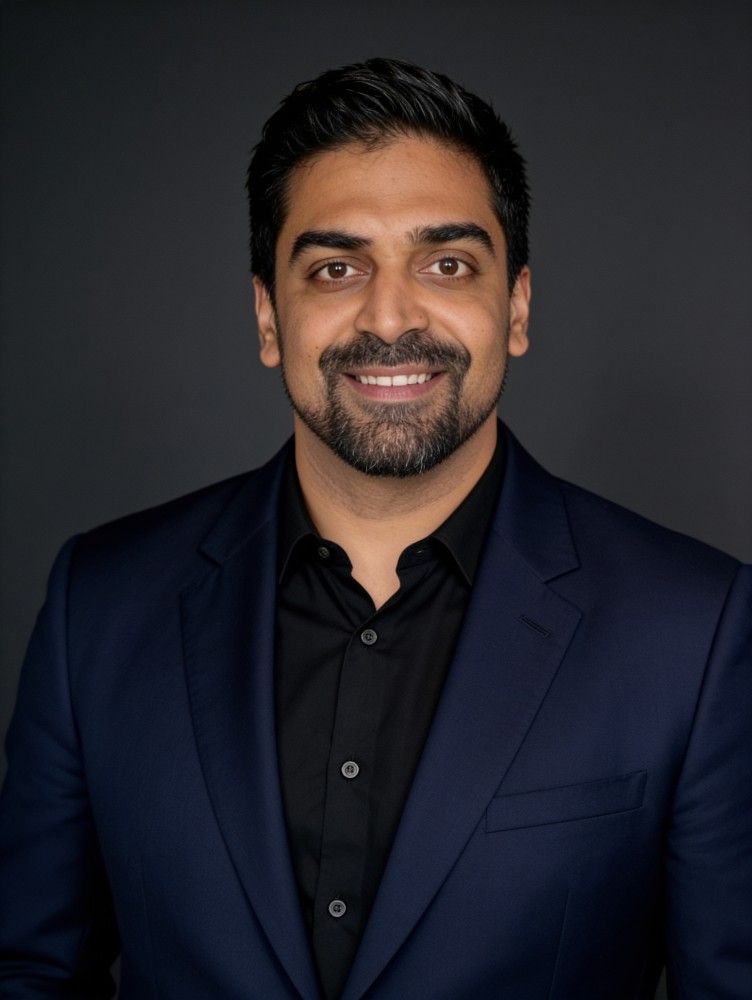
Who is Pryce Yebesi
Pryce Yebesi is a fintech founder best known for building products around financial automation, crypto invoicing, and AI-powered accounting infrastructure. His name gained wider attention after Utopia Labs, the crypto invoicing company he helped build, was acquired by Coinbase. For many founders, a startup exit like that would be the headline achievement. For Pryce Yebesi, it became the starting point for a new company.
After Utopia Labs, he turned his focus toward a problem that sits inside almost every business but rarely feels simple: accounting. Instead of building another standalone accounting tool, he co-founded Open Ledger, a company designed to bring accounting directly into the software platforms that businesses already use.
That shift says a lot about his founder journey. Pryce Yebesi did not move from one random idea to another. He followed the pain point. At Utopia Labs, he saw how much time businesses lost to invoicing, reconciliation, bookkeeping, and financial reporting. With Open Ledger, he tried to solve the deeper problem behind those workflows.
The Utopia Labs chapter that shaped his thinking
Before Open Ledger, Pryce Yebesi was closely tied to Utopia Labs, a startup focused on helping teams manage crypto payments and invoicing. The company worked in a space where money moves quickly, but the tools behind the scenes often feel slow, scattered, and hard to manage.
That experience gave Yebesi a clear view of how messy financial workflows can become. A business might receive payments in one system, handle invoices in another, manage payroll somewhere else, and then ask an accountant to make sense of everything inside traditional software. Even when the tools work, the process can still feel disconnected.
Utopia Labs helped solve part of that pain by making invoicing and payment workflows easier for crypto-native teams. The company’s acquisition by Coinbase showed that the product had real value in the market. It also gave Pryce Yebesi something many young founders do not get early in their careers: a firsthand look at what it takes to build, scale, and exit a fintech company.
But the bigger lesson was not just about crypto. It was about financial operations. Yebesi saw that companies were spending too much time closing books, matching transactions, cleaning up records, and moving data between tools. That realization became important when he started thinking about what to build next.
Why the Coinbase acquisition became a turning point
Selling Utopia Labs to Coinbase was a major milestone, but it also pushed Pryce Yebesi toward a wider question: if teams could save time on invoicing, why could the rest of accounting not become easier too?
The answer was not as simple as adding AI on top of an old accounting system. Many businesses still depend on legacy tools that were built for a different era of work. These tools can be powerful, but they often require users to leave the platforms where they already spend their time. That creates friction, especially for small businesses, fintech platforms, SaaS companies, and operators who do not want accounting to become a full-time job.
The Coinbase deal gave Yebesi credibility, but the real turning point was the insight he carried from Utopia Labs. He had seen a real financial workflow problem up close. He had helped build software that saved users time. Now he wanted to go beyond invoicing and think about the accounting layer itself.
That is where Open Ledger entered the picture.
How Open Ledger started
Open Ledger was built around a simple but powerful idea: accounting should live where the work already happens.
Instead of asking companies to send users into a separate accounting platform, Open Ledger gives SaaS and fintech companies the tools to embed accounting features directly inside their own products. This can include bookkeeping, transaction categorization, reconciliation, financial reporting, and ledger infrastructure.
For a software platform that serves small businesses, this is valuable. A payroll tool, banking platform, expense product, vertical SaaS platform, or fintech app may already hold important financial data. But if that data has to be exported, cleaned, and re-entered somewhere else, the user still feels the pain. Open Ledger tries to reduce that gap.
The company was co-founded by Pryce Yebesi and Ashtyn Bell. Together, they focused on building a modular, API-first accounting system that could fit into existing platforms. The goal was not just to make another dashboard. The goal was to create infrastructure that allows accounting functions to run with more context and less manual effort.
For Pryce Yebesi, this was a natural next step after Utopia Labs. He had already worked on financial workflows at the edge of crypto and fintech. With Open Ledger, he moved closer to the core problem that affects businesses of all sizes: keeping financial records clean, current, and useful.
What makes Open Ledger different
The key difference with Open Ledger is its embedded approach. Traditional accounting software usually asks a business to come to the accounting tool. Open Ledger flips that model by helping platforms bring accounting into the product experience.
That matters because modern businesses already use many tools to run day-to-day operations. They may have separate systems for payments, banking, payroll, revenue, expenses, taxes, invoices, subscriptions, and customer data. Accounting depends on all of that information, but the data is often spread across too many places.
Open Ledger works as infrastructure that can organize financial data and support accounting workflows inside the platforms businesses already trust. Its system is built around APIs, embeddable components, and a ledger database. These pieces can help platforms add features such as AI-driven categorization, reconciliation, and financial reporting without building a full accounting stack from scratch.
The AI angle is important, but it is not just about using trendy language. In accounting, context matters. A transaction is not only a number. It has a source, a category, a purpose, a timing issue, a tax implication, and a place in the wider financial picture. Open Ledger aims to give AI the financial context needed to make accounting tasks more useful and accurate.
That is why the company’s work fits into a larger shift in fintech. The future of accounting may not be a single app that every business logs into once a month. It may become a set of intelligent accounting features built directly into the tools companies already use every day.
How Open Ledger attracted investor interest
Open Ledger raised a $3 million pre-seed round led by Kindred Ventures and Blank Ventures, with additional support from angel investors. That early funding showed that investors saw promise in the company’s approach to accounting infrastructure.
The appeal was not only the product idea. It was also Pryce Yebesi’s track record. He had already helped build Utopia Labs, worked through the challenges of financial automation, and reached an acquisition by Coinbase. That kind of founder history matters because fintech is not an easy space. Products must be reliable, secure, useful, and trusted.
Investors also saw a large market problem. Accounting is essential, but it is still painful for many businesses. Small companies often do not have the time or expertise to manage books smoothly. SaaS and fintech platforms want to offer deeper financial tools, but building accounting infrastructure from zero can be complex. Open Ledger sat between those needs.
By giving platforms an embedded accounting layer, Open Ledger created a path for software companies to offer more value to their customers. A platform could move from simply handling payments or operations to helping users understand their financial position in real time.
From outdated accounting tools to embedded financial intelligence
One reason Open Ledger feels timely is that accounting software has not always kept pace with how modern businesses operate. Many teams still rely on tools that require manual entry, repeated exports, spreadsheet cleanups, and delayed reporting.
That delay matters. A business owner does not only need to know what happened last month. They need to understand what is happening now. They need cleaner books, faster insights, and fewer surprises at tax time. They also need tools that fit naturally into their workflow rather than pulling them away from it.
This is where Pryce Yebesi’s thinking becomes clear. Open Ledger is not trying to make accounting look more exciting on the surface. It is trying to make accounting less separate from the rest of the business.
If financial data already exists across payments, banking, payroll, and sales systems, then the accounting layer should be able to connect those dots. With the right infrastructure, platforms can help users categorize transactions, reconcile accounts, build reports, and understand their books without forcing them through a clunky process.
That is the bigger idea behind embedded accounting. It turns accounting from a separate chore into a built-in product feature.
The Collective acquisition and the next chapter for Open Ledger
In April 2026, Collective acquired Open Ledger, adding another important milestone to Pryce Yebesi’s founder story. Collective is a financial platform built for self-employed professionals, solopreneurs, and one-person businesses. Its services include bookkeeping, payroll, tax support, and business finance tools.
For Collective, acquiring Open Ledger made strategic sense. If the company wants to build deeper AI-powered back-office tools for solo entrepreneurs, it needs strong accounting infrastructure. Open Ledger gives it an embedded accounting layer that can support more automated and connected financial workflows.
For Open Ledger, the acquisition created a path to reach users through a platform already focused on business finance. Instead of staying only as infrastructure for other companies, its technology could become part of a broader financial operating system for people running businesses on their own.
For Pryce Yebesi, the deal added another chapter to a fast-moving career. He went from building Utopia Labs, to selling it to Coinbase, to launching Open Ledger, to seeing that company become part of Collective’s larger financial platform.
That journey matters because it shows a founder following the same theme across different companies: remove friction from financial work.
Why Pryce Yebesi’s work matters in modern fintech
The story of Pryce Yebesi is not only about one founder getting attention for a startup exit. It is about where financial software is heading.
For years, business finance has been split across too many tools. Payments happen in one place. Invoices live somewhere else. Bank data sits in another system. Accounting software tries to pull the pieces together after the fact. That model creates delays, confusion, and extra work.
Open Ledger points toward a different model. Instead of treating accounting as a separate destination, it treats accounting as infrastructure that can be embedded inside the products businesses already use. This is useful for SaaS companies, fintech platforms, banks, and business tools that want to offer deeper financial features without becoming accounting companies from scratch.
The AI layer adds another shift. When AI has access to structured financial context, it can help with repetitive accounting work that used to take hours. It can support transaction categorization, reconciliation, reporting, and other back-office tasks. Human oversight still matters, especially in finance, but AI can reduce the burden of repetitive work and help users get clearer financial information faster.
This is why Pryce Yebesi’s work stands out. He is not chasing AI as a buzzword. His path from Utopia Labs to Open Ledger shows a practical view of AI in finance. The point is not to make accounting sound futuristic. The point is to make it easier to use, easier to embed, and easier to act on.
Key lessons from Pryce Yebesi’s journey
Solve the problem you have seen up close
The strongest startup ideas often come from lived experience. Pryce Yebesi did not build Open Ledger from a distance. He saw accounting pain while building financial products at Utopia Labs. That gave him a sharper understanding of what businesses actually struggle with.
A successful exit can become a new starting point
The Coinbase acquisition could have been the end of the story, but Yebesi used it as a foundation. The experience gave him more clarity, more credibility, and a stronger sense of what to build next.
Fintech products win when they reduce friction
Whether it was crypto invoicing at Utopia Labs or embedded accounting at Open Ledger, the common thread is friction. Businesses want financial tools that save time, reduce manual work, and help them understand their money without extra complexity.
Accounting is becoming part of the product layer
The next generation of fintech tools may not ask users to jump between platforms. More accounting functions may happen inside the software people already use. Open Ledger was built for that shift.
AI works best when it has the right context
In finance, AI needs more than raw data. It needs clean records, connected systems, and the right financial context. That is why Open Ledger’s focus on accounting infrastructure matters.