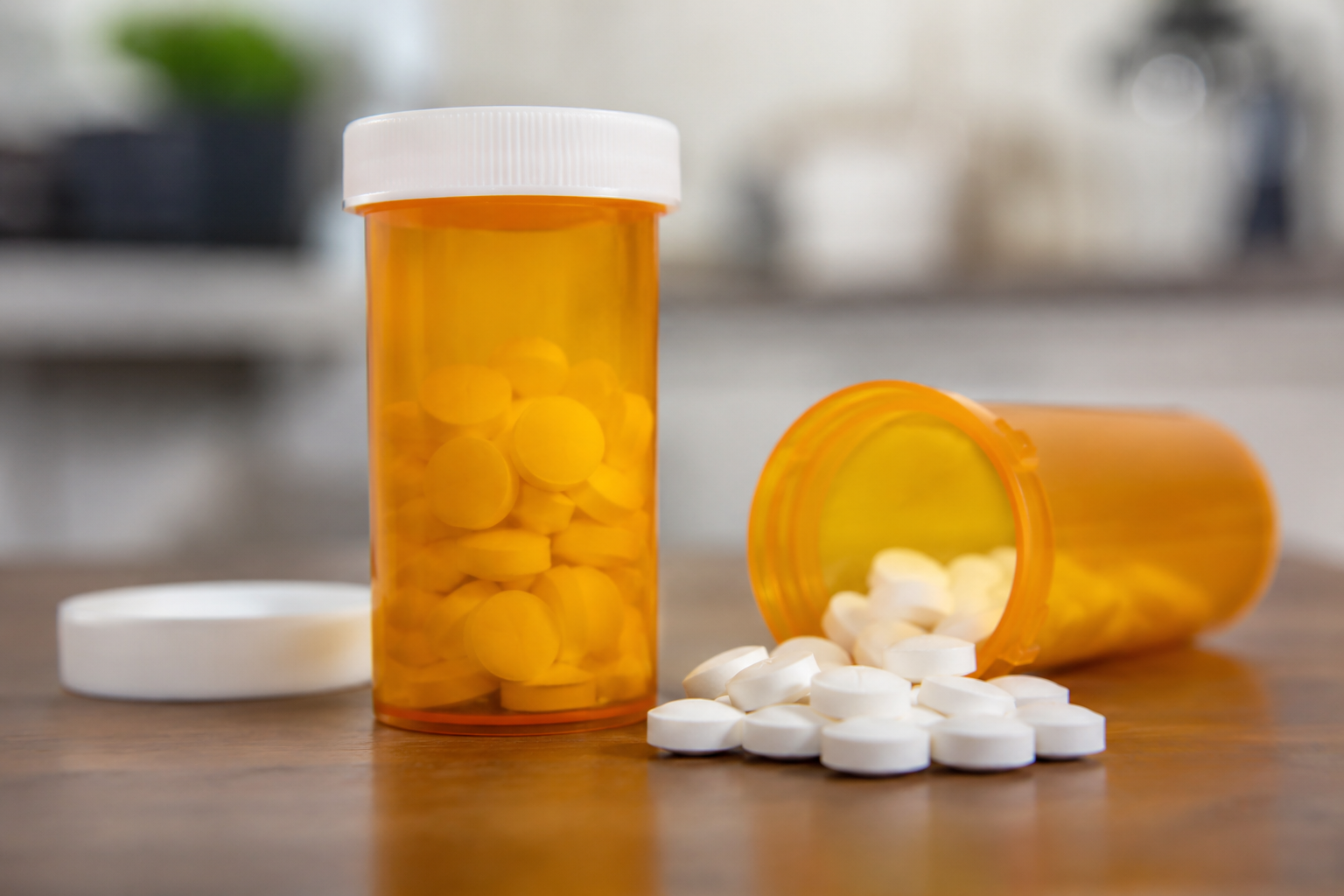
Glenmark Pharmaceuticals is recalling a blood pressure medication after routine testing turned up traces of an unrelated cholesterol drug in the tablets. If you take Ziac — the brand name for a bisoprolol fumarate and hydrochlorothiazide combination — there’s a specific list of lot numbers you need to check against the bottle in your medicine cabinet.
Here’s exactly what happened, who is affected, and the steps to take before your next dose. We’ll also connect this recall to Glenmark’s much larger 2025 manufacturing problems, which most coverage skips — and which matters if you’re trying to decide how seriously to take it.
What happened
On December 1, 2025, Glenmark Pharmaceuticals voluntarily recalled specific lots of its Ziac tablets after reserve-sample testing found trace amounts of ezetimibe, a cholesterol-lowering drug made at the same plant. That’s a classic cross-contamination problem: two different medications produced on shared equipment, and residue from one ends up in the other.
The tablets were manufactured at Glenmark’s facility in Pithampur, Madhya Pradesh, India, and distributed in the U.S. through the company’s American arm in Elmwood Park, New Jersey. The FDA classified the action as a Class III recall — the least severe of the three FDA categories — meaning the agency judged the contamination unlikely to cause serious health consequences. No adverse events have been reported.
That said, “unlikely to hurt you” is not the same as “nothing to do here.” A blood pressure pill with an accidental dose of a cholesterol drug in it is not what your doctor prescribed, and you’re entitled to a clean replacement.
Who is affected
The recall covers roughly 11,136 bottles distributed nationwide. You’re affected if you currently take Ziac — the fixed-dose combination of bisoprolol fumarate (a beta-blocker) and hydrochlorothiazide (a diuretic) — for high blood pressure, and your bottle matches one of the recalled lot numbers below.
Florida note: There’s no state-specific exposure data because these bottles shipped nationwide through normal pharmacy channels. Florida patients should check their bottles exactly the way patients everywhere else do — there’s no separate hotline or process for the state.
Product details: the Ziac tablets cross-contamination recall
This is the part no competitor puts in one clean table. Pull your bottle out and match all three data points — the NDC on the label, the lot number, and the expiration date.
| NDC number | Bottle size | Recalled lots & expiration |
|---|---|---|
| 68462-878-30 | 30-count | Lot 17232401 (exp. 11/2025); Lot 17240974 (exp. 05/2026) |
| 68462-878-01 | 100-count | Lot 17232401 (exp. 11/2025); Lot 17240974 (exp. 05/2026) |
| 68462-878-05 | 500-count | Lot 17232401 (exp. 11/2025); Lot 17240974 (exp. 05/2026) |
The strength involved is the 2.5 mg bisoprolol / 6.25 mg hydrochlorothiazide combination. The contaminant — ezetimibe — is a cholesterol drug (sold on its own as Zetia), not a blood pressure medicine, so it does nothing to treat your condition and simply shouldn’t be in the pill at all.
If your NDC and lot don’t appear above, your prescription isn’t part of this recall. When in doubt, your pharmacist can confirm in seconds by looking up the lot they dispensed to you.
The bigger picture: Glenmark’s 2025 track record
Here’s the context the wire stories leave out. This isn’t an isolated slip. Over the course of 2025, Glenmark recalled roughly two dozen drugs, many tied to the same Indian manufacturing operation. Federal inspectors documented manufacturing problems at the company’s facilities earlier in the year, and one separate recall — of potassium chloride extended-release capsules that could dissolve too quickly — was linked to reported deaths and carried a far more serious Class I designation.
The Ziac contamination itself is low-risk. But a pattern of quality-control failures at one manufacturer is a fair reason to pay attention to the label on every refill, and to ask your pharmacist whether a different generic maker is available.
What consumers should do
Four steps, in order. The second one is the one people get wrong.
- Check your bottle. Find the NDC and lot number on the label and compare them to the table above. If they don’t match, you’re done — keep taking your medication as prescribed.
- Do not stop cold turkey. Bisoprolol is a beta-blocker, and stopping one abruptly can trigger rebound high blood pressure, a racing heart, and — in people with heart disease — chest pain. Even if your bottle is recalled, call your prescriber or pharmacist first to arrange a replacement rather than skipping doses. A trace of a cholesterol drug is a smaller risk than an untreated blood pressure spike.
- Return the recalled bottle. Take it back to the pharmacy that filled it, or follow the return instructions Glenmark or your pharmacy provides. Ask for a clean replacement from a different lot or manufacturer.
- Report side effects. If you’ve noticed anything unusual, report it to the FDA’s MedWatch program (see below) and tell your doctor.
Refund, remedy, or contact options
Because this drug is dispensed by prescription, your pharmacy is almost always the fastest path to a fix — faster than the manufacturer.
- Your pharmacy first. Bring the bottle in. Most chains will replace a recalled prescription with a fresh, unaffected supply at no charge and handle the paperwork with your insurer so you don’t pay a second copay. If your first fill was recent, ask about a refund of what you paid.
- Glenmark Pharmaceuticals. For questions about the recall itself, contact Glenmark’s U.S. consumer line; your pharmacist can provide the current number, or you can find the recall notice on the FDA’s enforcement report and Glenmark’s site.
- FDA MedWatch. Report any adverse reaction at the FDA MedWatch program online, or ask your provider to file for you.
- Keep your paperwork. Hold onto the bottle, the pharmacy receipt, and a photo of the label showing the lot number until your refund or replacement is settled. If you switch to a different generic, confirm with your insurer that the new one is covered before you leave the counter.
If you’ve dealt with a product recall before, the rhythm here is familiar — it’s the same check-the-lot-number, keep-your-receipt process we walked through with the Sam’s Club decoration recall. And if you’re the kind of reader who tracks these consumer-protection stories, our coverage of the Bank of America fee settlement and the Capital One $425 million settlement breaks down who qualifies and how to claim.
The bottom line
The Glenmark bisoprolol fumarate recall is a low-risk, Class III action — but it’s still worth two minutes of your time. Match your NDC and lot number, and if they line up, call your pharmacist for a clean replacement instead of skipping doses. The contamination probably won’t hurt you; suddenly stopping a beta-blocker is the part that could. For broader wellness reading while you’re here, see our practical guides to the healthiest sodas and whether ground beef counts as processed.
FAQs
Has bisoprolol been recalled?
Yes. On December 1, 2025, Glenmark Pharmaceuticals recalled specific lots of Ziac (bisoprolol fumarate and hydrochlorothiazide) after testing found trace amounts of the cholesterol drug ezetimibe. It’s a Class III recall covering lots 17232401 and 17240974. Only those specific lot and NDC numbers are affected — not all bisoprolol on the market.
How do I know if my Ziac bottle is part of the recall?
Check three things on the label: the NDC (68462-878-30, -01, or -05), the lot number (17232401 or 17240974), and the expiration (11/2025 or 05/2026). If all match, your bottle is recalled. If not, it isn’t. Your pharmacist can confirm the lot they dispensed to you in seconds.
Should I stop taking Ziac immediately?
No — don’t stop a beta-blocker abruptly. Stopping bisoprolol suddenly can cause rebound high blood pressure, a fast heart rate, and chest pain in people with heart disease. Even if your bottle is recalled, call your prescriber or pharmacist first to arrange a clean replacement, and keep taking your medication until then.
What is a Class III recall and should I be worried?
Class III is the least serious of the FDA’s three recall levels. It means the problem is unlikely to cause adverse health effects. (Class I is the most dangerous; Class II falls in between.) Here, the trace ezetimibe contamination is considered low-risk, and no adverse events have been reported.
What is ezetimibe and why is it in a blood pressure pill?
Ezetimibe is a cholesterol-lowering drug (sold on its own as Zetia). It ended up in the Ziac tablets through cross-contamination — both drugs are made at Glenmark’s plant in Pithampur, India, and residue from shared equipment carried over. It doesn’t treat blood pressure and simply shouldn’t be in the tablet.
How do I get a refund or replacement for recalled Ziac?
Start with the pharmacy that filled it. Most will swap a recalled prescription for a fresh, unaffected supply at no charge and coordinate with your insurer to avoid a second copay. Keep the bottle, receipt, and a photo of the lot number. For recall questions, contact Glenmark’s U.S. consumer line — your pharmacist can provide the number.
What other drugs has Glenmark recalled in 2025?
Quite a few. Across 2025, Glenmark recalled roughly two dozen drugs, many tied to the same Indian manufacturing operation, after FDA inspectors documented quality problems. One separate recall — potassium chloride extended-release capsules — was a more serious Class I action linked to reported deaths. The Ziac recall is far lower-risk, but the pattern is a fair reason to check every refill’s label.