Mental health care is deeply human, but the systems around it have often made the work harder than it needs to be. Therapists and behavioral health clinics still spend too much time jumping between notes, billing tools, scheduling systems, insurance requirements, patient updates, and fragmented records. A clinician may only see a patient once a week, yet the most important signals about that patient’s wellbeing often happen between sessions.
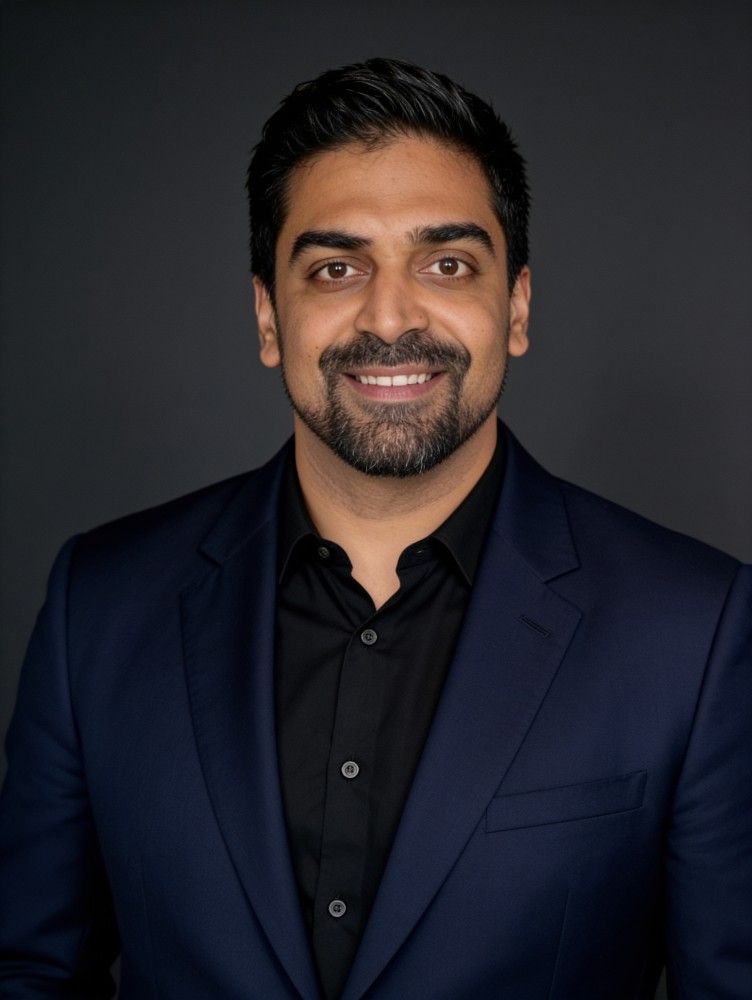
That is the gap Hashem Abdou is trying to close with Oasys Health. As co-founder and CEO, Abdou is building a platform that brings practice management, clinical documentation, billing, scheduling, decision support, and real-world patient data into one connected system. The goal is not to make therapy feel mechanical. It is to give clinicians better context, reduce administrative load, and help mental health care become more measurable without losing the human judgment that makes therapy work.
At a time when demand for behavioral health services continues to rise, Oasys Health is part of a larger shift in healthtech. Instead of treating mental health as a series of isolated appointments, the company is working toward a model where clinicians can understand patterns over time, use data more responsibly, and support patients with clearer insight.
Who is Hashem Abdou
Hashem Abdou is the co-founder and CEO of Oasys Health, a New York-based healthtech startup focused on modernizing behavioral health infrastructure. His background brings together health care, technology, product thinking, and research, which helps explain why Oasys Health is not being built as a simple admin tool or a consumer wellness app.
Abdou studied Biomedical Engineering and Computer Science at Harvard, giving him a technical and scientific foundation for building at the intersection of health and software. His experience also includes work across research, product, growth, and entrepreneurship. That mix matters because behavioral health is not just a software problem. It is a workflow problem, a data problem, a trust problem, and a clinical problem at the same time.
With Oasys Health, Abdou is focusing on a part of health care that has often been left behind by modern infrastructure. Many therapists and clinics have adopted digital tools, but those tools are still frequently disconnected. One system may handle scheduling, another may handle notes, another may manage billing, while patient progress lives in memory, spreadsheets, or short session updates. Abdou’s work is aimed at bringing those pieces together in a way that supports the clinician instead of creating more screen time.
What Oasys Health is building
Oasys Health is building an AI-native operating system for behavioral health practices. In simple terms, it is designed to help clinics run more smoothly while giving providers better insight into patient care.
The platform brings together several core functions that behavioral health providers deal with every day, including:
- Practice management
- AI-powered documentation
- Clinical scribing
- Billing support
- Scheduling
- Insurance reimbursement workflows
- Clinical decision support
- Patient data organization
- Wearable and health app integrations
That combination is important because mental health practices do not only need another note-taking tool. They need a system that understands the rhythm of behavioral health care. A therapist’s work is different from a general medical visit. The value of the care depends on the relationship, continuity, context, and the ability to notice patterns that may not appear in one session.
Oasys Health is trying to build around that reality. By bringing clinical workflows and real-time patient signals into a single platform, it gives providers a more complete picture of what is happening inside and outside the therapy room.
Why mental health care needs better measurement
Mental health care has always involved measurement in some form. Clinicians track symptoms, mood, medication responses, risk signals, sleep, functioning, relationships, and progress over time. The problem is that much of this information can be hard to capture consistently.
A patient may walk into therapy and describe how they felt during the past week, but memory is imperfect. Stress, poor sleep, social pressure, work problems, and emotional lows can all blur together. A therapist may ask thoughtful questions and notice important patterns, but they are still working with limited information.
This is where better measurement can help. It does not mean reducing a person to numbers. It means giving clinicians more context so they can make better-informed decisions.
For example, sleep changes may connect with mood changes. Activity levels may reflect shifts in motivation or energy. Heart rate patterns may give clues about stress. Menstrual cycle data may help explain emotional or physical changes for some patients. These signals do not tell the whole story, but they can add useful context when interpreted carefully by trained professionals.
That is one reason Hashem Abdou’s work with Oasys Health feels timely. Mental health care needs tools that respect clinical nuance while making progress easier to understand. Better measurement can help providers see whether care is working, where a patient may need more support, and how treatment is changing over time.
How Hashem Abdou is using AI to support clinicians
The strongest version of AI in mental health is not the one that tries to replace therapists. It is the one that removes the repetitive work that keeps therapists from focusing fully on patients.
This is the direction Hashem Abdou appears to be taking with Oasys Health. The platform uses AI to help with documentation, scribing, billing workflows, scheduling, and organization of clinical information. These tasks matter, but they can become exhausting when clinicians have to handle them manually after every session.
For therapists, documentation is not just paperwork. It affects continuity of care, insurance claims, compliance, and communication across care teams. Poor documentation can slow down reimbursements and create extra work. Over-documentation can steal time from patients. Under-documentation can create risk.
AI can help by turning session information into cleaner drafts, organizing notes, and supporting workflows that usually take up hours each week. The clinician still needs to review, edit, and make the actual clinical judgment. But if the software handles more of the administrative burden, providers can spend more time on care and less time recovering from care delivery.
This balance is important. Mental health care depends on empathy, trust, and professional judgment. Oasys Health’s value is not in making therapy automatic. Its value is in giving therapists a stronger operating layer so they can work with more clarity and less friction.
Turning wearable data into useful clinical insight
One of the more interesting parts of Oasys Health is its focus on wearable and health app data. The platform connects with tools such as Apple Watch, Oura Ring, Strava, and Flo, helping providers understand signals related to sleep, activity, heart rate, glucose, menstruation, and other physiological patterns.
This matters because mental health does not pause between appointments. A person’s sleep may change days before they notice a mood shift. Activity levels may drop when motivation declines. Stress patterns may show up physically before they become easy to explain in words. For some patients, cycle-related data may help make emotional patterns easier to understand.
Of course, wearable data needs to be handled carefully. A smartwatch cannot diagnose depression. A sleep score cannot explain a person’s trauma, family life, work stress, or emotional history. But when used responsibly, this kind of data can help clinicians ask better questions.
Instead of relying only on a patient’s memory of the week, a therapist may be able to look at patterns and say, “Your sleep changed around the same time your anxiety increased. What was happening then?” That kind of question keeps the human conversation at the center while making it more grounded.
This is where Oasys Health’s approach becomes more than convenience software. It points toward a model of mental health care that is continuous, data-informed, and still clinician-led.
Building a bridge between behavioral and physical health
Mental and physical health have always been connected. Stress can affect sleep. Poor sleep can worsen mood. Chronic anxiety can show up in the body. Changes in movement, appetite, energy, and heart rate can all relate to emotional wellbeing.
Yet the systems used in behavioral health often treat these signals as separate. Physical health data may live in a wearable app. Therapy notes may live in an EHR. Billing information may sit in a different system. The patient’s daily experience gets split into pieces.
Oasys Health is working to connect those pieces. By bringing behavioral and physical signals into a shared workflow, the platform gives clinicians a more complete way to understand patient wellbeing.
That does not mean every therapist needs to become a data analyst. The point is to make useful information easier to see. If a clinic can spot trends earlier, understand patient progress more clearly, and support providers with better context, care can become more proactive.
This is especially important in behavioral health, where small changes over time can matter. A patient may not need a dramatic crisis before a clinician notices that something is shifting. Better data can help providers respond earlier and with more confidence.
How Oasys Health helps clinics work more efficiently
A major part of Hashem Abdou’s work is not only clinical. It is operational. Behavioral health providers often face a difficult business reality. They need to care for patients, manage staff, keep schedules full, handle insurance claims, document properly, and maintain compliance.
When those workflows are messy, everyone feels it. Clinicians burn out. Admin teams get overwhelmed. Patients experience delays. Clinic leaders struggle to understand where time and money are being lost.
Oasys Health is designed to reduce that friction.
Reducing admin work for providers
Therapists often finish a session and still have notes, follow-ups, billing details, and scheduling updates waiting for them. Over time, that work adds up. It can turn evenings into documentation time and make clinical work feel heavier than it should.
AI-powered documentation and scribing can help providers move faster while still keeping the clinician in control. When the system takes care of the first draft or organizes key details, therapists can review and refine instead of starting from scratch.
Improving billing and reimbursement workflows
Billing is one of the least glamorous parts of behavioral health, but it affects whether clinics can survive and grow. Incomplete documentation, claim errors, and reimbursement delays can create serious pressure.
By connecting documentation with billing and insurance workflows, Oasys Health aims to make the process cleaner. Better records can support cleaner claims, fewer avoidable errors, and a smoother experience for admin teams.
Giving clinic leaders better visibility
Clinic leaders need to understand what is happening across providers, patients, workflows, and outcomes. If the data is scattered, leadership becomes reactive. Decisions are made based on partial information.
A more connected system can help leaders see where bottlenecks exist, how teams are spending time, and whether care delivery is improving. This kind of visibility is especially useful for growing clinics, multi-site practices, and organizations trying to deliver consistent care at scale.
Why Oasys Health stands out from legacy EHR systems
Many legacy EHR systems were built around documentation, compliance, and billing. Those functions are necessary, but they do not always reflect how behavioral health care actually works. Therapists need tools that support long-term relationships, session continuity, symptom patterns, and patient progress over time.
Oasys Health is positioning itself differently. Instead of acting like a static record system, it is being built as a connected operating system for behavioral health. That means it is not only storing information. It is helping organize workflows, surface insights, reduce repetitive admin work, and connect patient data from outside the session.
This is a meaningful difference. A clinic does not just need a digital filing cabinet. It needs software that helps the practice function better each day. It needs tools that make it easier to document, bill, schedule, understand patients, and measure outcomes without forcing clinicians into clunky workflows.
That is why Abdou’s work speaks to a wider shift in healthtech. The future of behavioral health software is not only about moving paper records online. It is about building systems that make care easier to deliver and easier to understand.
The funding milestone and what it says about Oasys Health’s growth
Oasys Health has raised $4.6 million in funding, including a $4 million seed round led by Pathlight Ventures. The round also included participation from Twine Ventures, Better Ventures, and earlier backing from 1984 Ventures.
Funding does not automatically prove a company will succeed, but it does show that investors see a serious market need. Behavioral health has become one of the most important areas in health care, and the infrastructure behind it still has room for improvement.
For Hashem Abdou and his team, this funding gives Oasys Health more room to build its platform, deepen wearable integrations, expand partnerships, and support more clinics. It also puts the company inside a larger conversation about how AI can be used responsibly in health care.
The important part is that Oasys Health is not only chasing automation. Its bigger promise is measurement. If the platform can help clinics prove therapy effectiveness, understand patient progress, and reduce the admin weight on providers, it can become a meaningful part of the behavioral health ecosystem.
Hashem Abdou’s larger vision for measurable therapy
The phrase “measurable mental health care” can sound cold if it is misunderstood. Therapy is not a spreadsheet. People are complex, and progress is not always linear. A patient can improve in one area while struggling in another. A difficult week does not always mean treatment is failing.
But measurement does not have to remove humanity from care. Used well, it can protect it.
Better measurement can help therapists see patterns that patients may miss. It can help clinics understand whether care is producing results. It can help patients feel that their progress is visible, not just vaguely discussed. It can also help providers communicate more clearly with payers, care teams, and patients themselves.
This is the heart of what Hashem Abdou is building with Oasys Health. He is not simply adding AI to therapy for the sake of it. He is trying to give behavioral health providers a more modern foundation, one that combines clinical workflows, operational tools, and real-world patient signals.
That vision fits the direction health care is moving. Patients want more personalized support. Providers want less admin work. Clinics want better visibility. Payers want clearer evidence of outcomes. Oasys Health sits at the center of those needs.
The challenges Oasys Health will need to navigate
Any company working with AI, health data, and mental health has to move carefully. Behavioral health information is deeply personal. Patients need to trust that their data is being used securely and responsibly. Clinicians need to trust that software will support their judgment, not interfere with it.
Oasys Health will need to navigate several important challenges as it grows.
Data privacy is one of the biggest. Wearable data, therapy records, and physiological signals must be protected with strong security and clear consent practices. Patients should understand what is being collected, how it is being used, and who can access it.
Clinical accuracy is another challenge. AI-generated notes and insights must be reviewed carefully. A system can organize information, but it should not become the final voice in clinical decision-making.
Workflow design also matters. If a platform creates more steps for clinicians, it will not solve the problem. The best healthtech tools fit naturally into the way providers already work while making that work easier.
There is also the risk of over-measuring. Not every emotional experience can or should be reduced to data. The strongest version of Oasys Health will be one that uses data as a support tool, not as a replacement for listening, empathy, and clinical skill.
Why Hashem Abdou’s work matters for the future of behavioral health
The work Hashem Abdou is doing with Oasys Health matters because behavioral health needs better infrastructure. Demand for care is high, providers are stretched, and many clinics still operate with tools that were not designed for the complexity of modern mental health care.
A smarter operating system can help change that. It can reduce the time providers spend on repetitive admin tasks. It can make patient progress easier to track. It can connect therapy with real-world signals like sleep, activity, and stress patterns. It can help clinics run more efficiently while keeping clinicians focused on the patient.
The most promising part of Oasys Health is that it does not frame technology as a replacement for care. It frames technology as support for better care. That distinction matters.
If Abdou and his team can deliver on that vision, Oasys Health could help move behavioral health toward a more measurable, proactive, and connected future. Therapy would still depend on trust, conversation, and human understanding. But clinicians would have better tools behind them, and patients could benefit from care that is informed by more than a single weekly snapshot.