Florida sleepers don’t need much convincing that temperature can change the way a bed feels.
Summer dew points routinely sit in the upper 60s and low 70s across much of the state, and overnight humidity often climbs as temperatures fall. That makes cooling sheets and lighter bedding obvious choices, but the mattress itself has a role in how much heat stays around through the night.
Much of that comes down to construction. Dense materials can hold heat more readily, while designs that leave more room for air to move through the mattress give warmth somewhere to go. For shoppers in Florida, that makes airflow worth thinking about before the mattress ever reaches the bedroom.
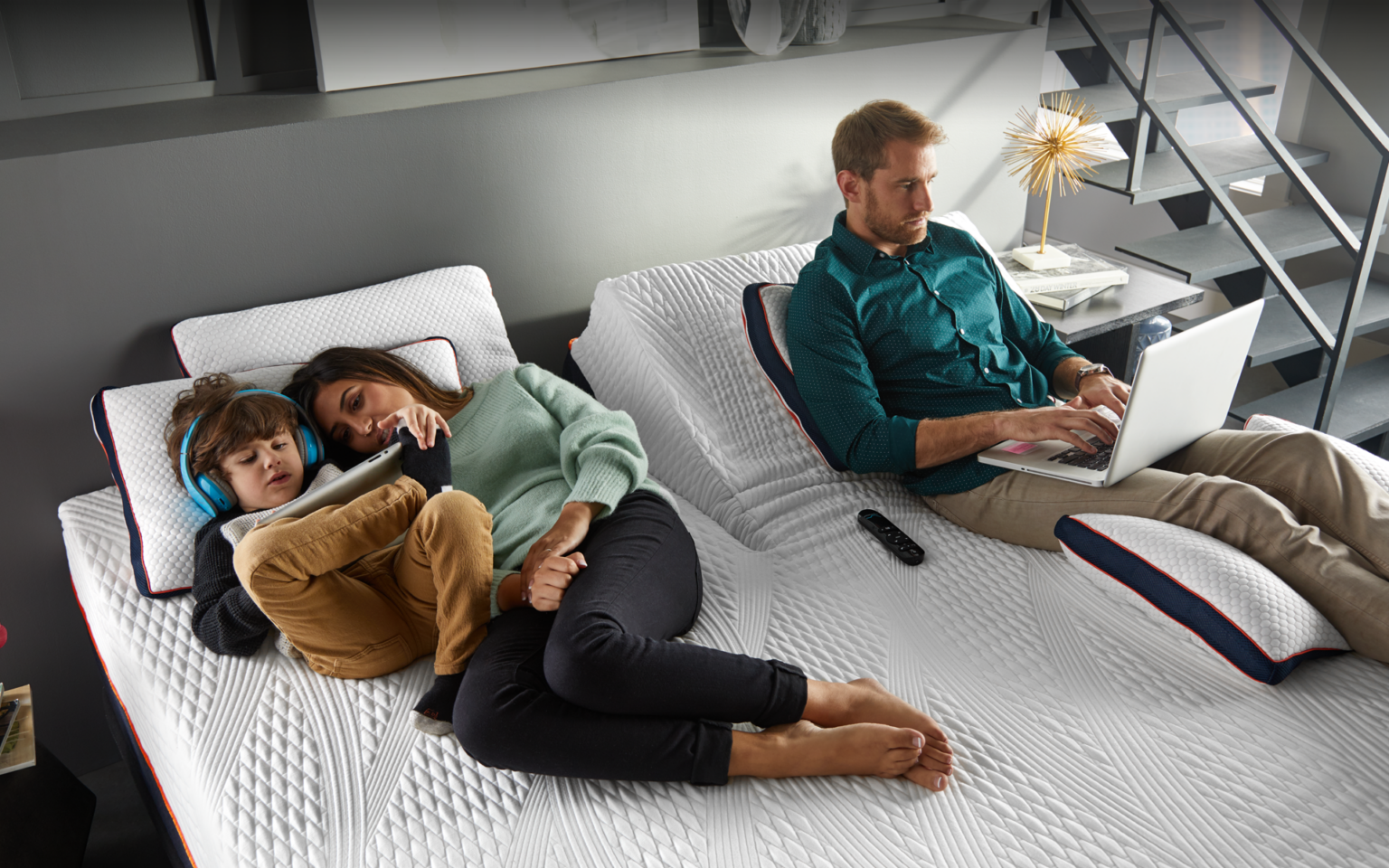
iSense has built its Hybrid Premier around that idea alongside its more unusual selling point: adjustable foam comfort. The mattress uses open-cell foam near the surface with a cooling treatment, while individually wrapped pocket coils sit underneath and create more open space through the support layer.
The result is a mattress that addresses temperature through the way it is built rather than treating cooling as a feature added only to the cover.
Cooling Starts Deeper Than the Sheets
Mattress shopping tends to make temperature sound like a surface problem. Shoppers hear about cooling fabrics or gel treatments because those features are easy to touch and explain in a showroom, but what happens farther down inside the bed can matter just as much over the course of a full night.
Hybrid construction naturally creates more room for airflow than a solid block of foam because the coil layer leaves open space between the materials. In the Hybrid Premier, that structure works with open-cell foam designed to release excess heat rather than hold it close to the sleeper.
That matters more in a place where warm nights are part of the calendar rather than an occasional annoyance. The Florida Climate Center notes that summer humidity remains high across the state, with overnight relative humidity often rising substantially as temperatures cool. A mattress cannot change the weather outside, but its construction can influence whether the bed itself adds to the problem.
iSense founder Paul Longman came to the mattress business from the position that comfort had to work as a system rather than as one feature layered on top of another. In Hybrid Premier, cooling sits alongside a separate support structure and the company’s Comfort Control Technology, which changes how the foam feels without asking the air itself to carry the sleeper.
That separation becomes useful in another way because people often associate adjustable mattresses with airbeds. iSense takes a different route, using small air cylinders inside the foam layer to change comfort while pocket coils continue providing support underneath.
For a Florida buyer, that means the same mattress can address two fairly ordinary frustrations at once. One is wanting more control over how the bed feels, while the other is not wanting that control to come at the expense of airflow through the support system.
The broader point is that mattress comfort is becoming less about choosing one label such as “firm” or “cooling” and more about how the layers work together once someone has been sleeping on them for hours.
That is harder to judge during a short store visit, which is one reason the industry has moved toward longer home trials. iSense offers a 180-night comfort guarantee, giving sleepers time to adjust their firmness setting after they have actually lived with the mattress through ordinary nights at home.
In Florida, those ordinary nights include plenty of heat and humidity. A mattress that feels comfortable for a few minutes under showroom air conditioning still has to perform when the bedroom feels very different.
That makes the hidden parts of the mattress worth paying attention to. The foam, the space around the coils, and the way comfort is adjusted all influence what the sleeper experiences long after the sheets have been changed.
For shoppers used to thinking about cooling as something they put on top of the bed, the more useful question may be what is happening underneath them once the lights go out.