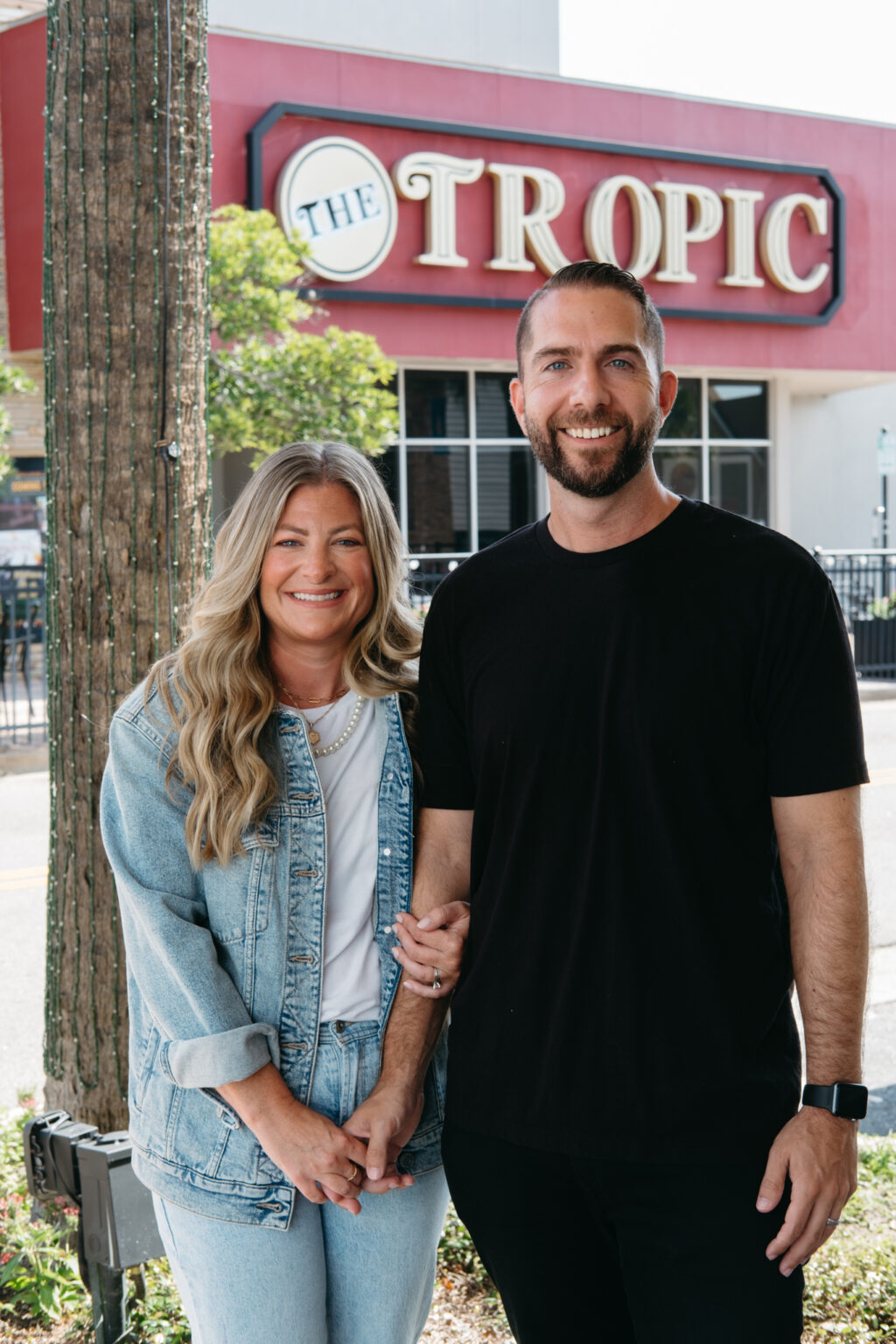
In September 2026, Michael and Chrissie Hux will officially open ONE99 Church in Leesburg, Florida. The church, one of 18 launches taking place on 13 September as part of the Association of Related Churches’ major fall launch day, aims to be a beacon of service to its entire community. “Our prayer is that our city is better because ONE99 Church is here,” they said. “We wouldn’t want to just be a community that gathers on Sundays for service; we want to become a service to our community every day.”
But what exactly does it mean for a church to make its city better? And how do you know if you’re making the right impact? Serving the community is one of ARC’s core ethos when they embark on supporting the planting of a new church. Through decades of experience, they’ve learned a few key things that leaders can use to ensure that they’re doing this.
Looking Beyond What Happens on Sundays
When you’re preparing a service for hundreds – sometimes thousands – and even a handful of people, it’s natural to plan most of your week around it. You want to make sure that everyone walks away with the right message, that people of all ages and backgrounds can relate to that message and feel its impact.
You’re focused on making sure that everyone walks away feeling accepted and connected, and with so many moving parts, the work and effort going into making that happen can take up a lot of your time and energy. Sundays become the “big day,” and before you know it, that day becomes the endpoint before you start again and get ready for it again the next week.
However, if you really want to make an impact on your community, then you have to look beyond Sundays. For a church to make its city better, its impact should extend beyond the people who attend its services. It means becoming an active, useful part of the community and contributing to the well-being of the people who live there.
Understanding What the Community Actually Needs
Communities are an amalgamation of the area’s history, the stories of the people who pass through, and the challenges and successes of the people who live there. All of this means that every community can have different needs, different ways of finding out what those needs are, and different ways of bringing them to the people who live there in a dignified, truly helpful way.
Making assumptions can mean more work with less impact by the church, and it could lead to the people within that community not feeling heard or understood. So, for a church to make its city better, the pastors, leaders, and those in the congregation have to get involved with its people first before offering service and help.
It’s through this involvement and interaction that you can talk, listen, and learn about the community’s needs.
What Has This Looked Like for Other Churches Within ARC’s Network?
While every community is different, through its 25 years of planting more than 1200 churches, ARC has built a Foundation of Needs that communities across the world have shown to benefit from the most.
These include:
- Supporting local families: Like organizing a back-to-school drive that provides children with backpacks, school supplies, shoes, or clothing.
- Serving people facing practical needs: This can look like providing meals or groceries to families experiencing financial hardship.
- Partnering with schools and community organizations: Working with a local school to renovate a teacher’s lounge or provide classroom supplies.
- Creating opportunities for meaningful relationships: Hosting community dinners where neighbors can meet and build connections.
- Developing leaders: Mentoring volunteers and giving them opportunities to lead outreach projects or community initiatives.
- Encouraging members to use their time and skills: A plumber, electrician, or landscaper volunteering their professional skills to help a family or local nonprofit with needed repairs.
Creating a Place Where People Can Find Belonging
One of the greatest human needs is having a space to belong. And if we don’t find a good, healthy space to connect with, one that offers support and safety, then we risk turning to an unhealthy space just because they’re more welcoming.
This is why it’s absolutely essential for a church to be that healthy, safe space for everyone. It’s easier said than done, especially with more challenging individuals who you can see are seeking faith, but seem rebellious and resistant to change. It can be a humbling, ego-challenging experience to keep welcoming someone who doesn’t want to be welcomed.
But eventually, that changes.
Measuring the Difference a Church Makes in Its Community
You can measure the impact in a number of ways, some more tangible than others.
The numbers will tell a very definitive story.
- How many church members volunteer, how many hours do they contribute, and how consistently do they serve?
- How many people received meals, school supplies, clothing, housing assistance, or other practical support?
- How many projects and organizations has the church continued to support after an initial outreach event?
It might seem slightly cold to measure things this way, but it also gives a really noticeable benchmark.
Other ways to measure are things like community feedback, both positive and negative feedback are incredibly helpful. Also looking at how many future leaders are being built up, whether they feel excited and ready for the progression, and the quality of leaders they might be. And lastly, there is relationship building. Having a good, strong relationship with different schools, non-profits, shelters, and food banks means that your church is touching many lives far beyond a Sunday service.
About the Association of Related Churches (ARC)
The Association of Related Churches (ARC) is a church-planting organization dedicated to helping leaders launch and grow healthy, life-giving churches. Through church planter training, leadership development, coaching, and practical ministry resources, ARC has helped launch more than 1,200 churches while equipping pastors to build sustainable churches that make a lasting impact in their communities around the world.