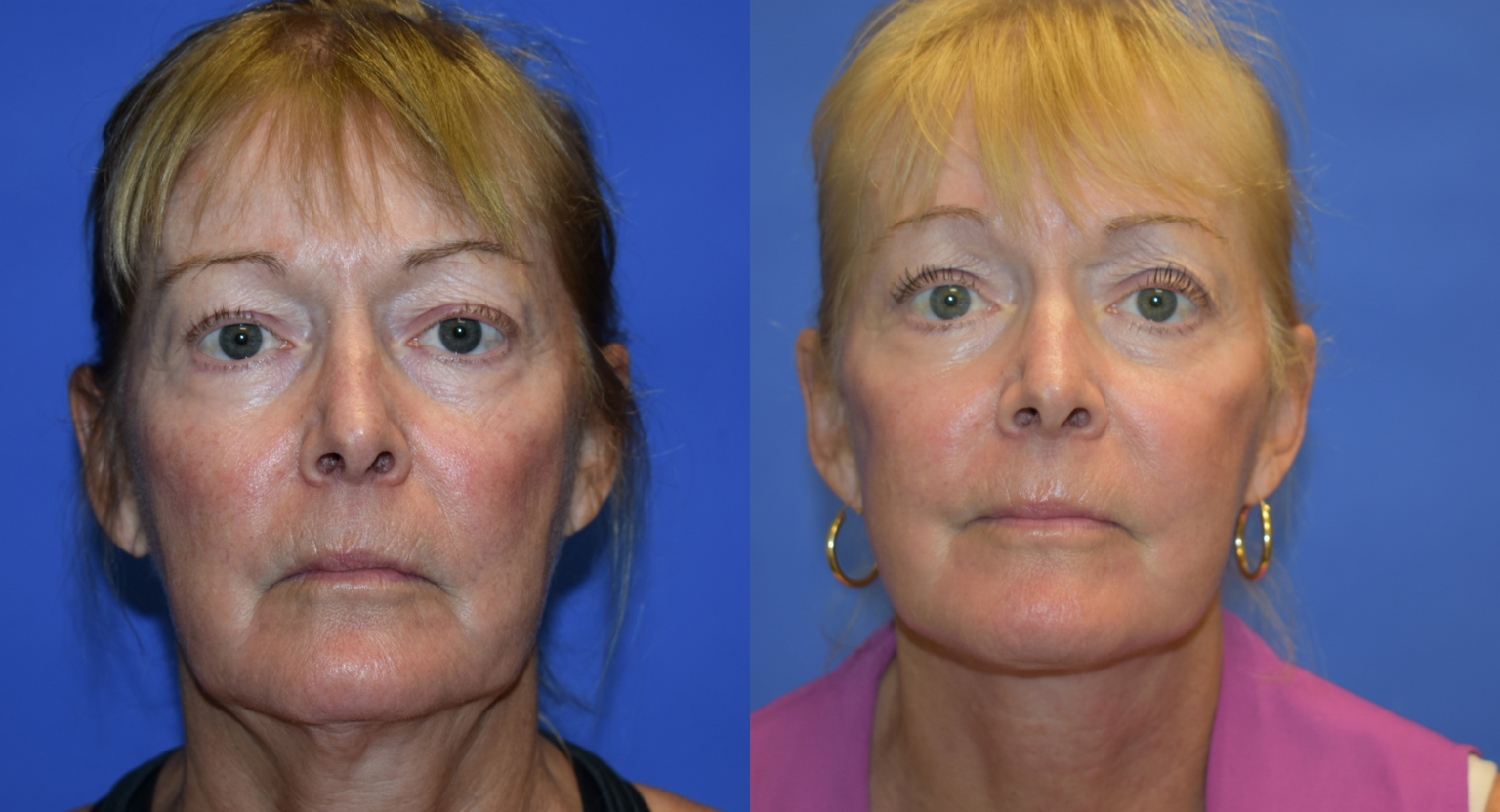
Modern facelift surgery no longer relies on pulling the skin tight. Today’s advanced facelift techniques lift and reposition the deeper tissues that slide downward with age, restoring the cheeks, jawline, and neck from beneath the surface. The goal is a face that looks rested rather than “done,” with improvements that often last 7 to 10 years or longer.
That shift has changed what adults can expect from facial rejuvenation surgery. Patients no longer have to choose between a result that looks natural and one that lasts.
How Facelift Surgery Has Evolved
Over the past century, facelift surgery has evolved from a skin-tightening procedure into one that repositions the face’s deeper support structures. Each advance has followed a better understanding of how the face actually ages.
Why Early Facelifts Often Looked Tight
Early facelifts focused almost entirely on the skin. Surgeons separated it from the tissue underneath, pulled it back toward the ears, and trimmed the excess. Because skin stretches, the improvement often faded within a few years. It also created the windswept look many people still associate with facelifts.
The Move to Deeper Facial Layers
In the 1970s, surgeons began working with the SMAS, the layer of muscle and connective tissue beneath the skin. The deep plane facelift later took this further by lifting the skin and deeper tissues together as one unit. Releasing the ligaments that tether sagging tissue allowed surgeons to return the cheeks and jowls to where they once sat.
What Makes a Deep Plane Facelift Different?
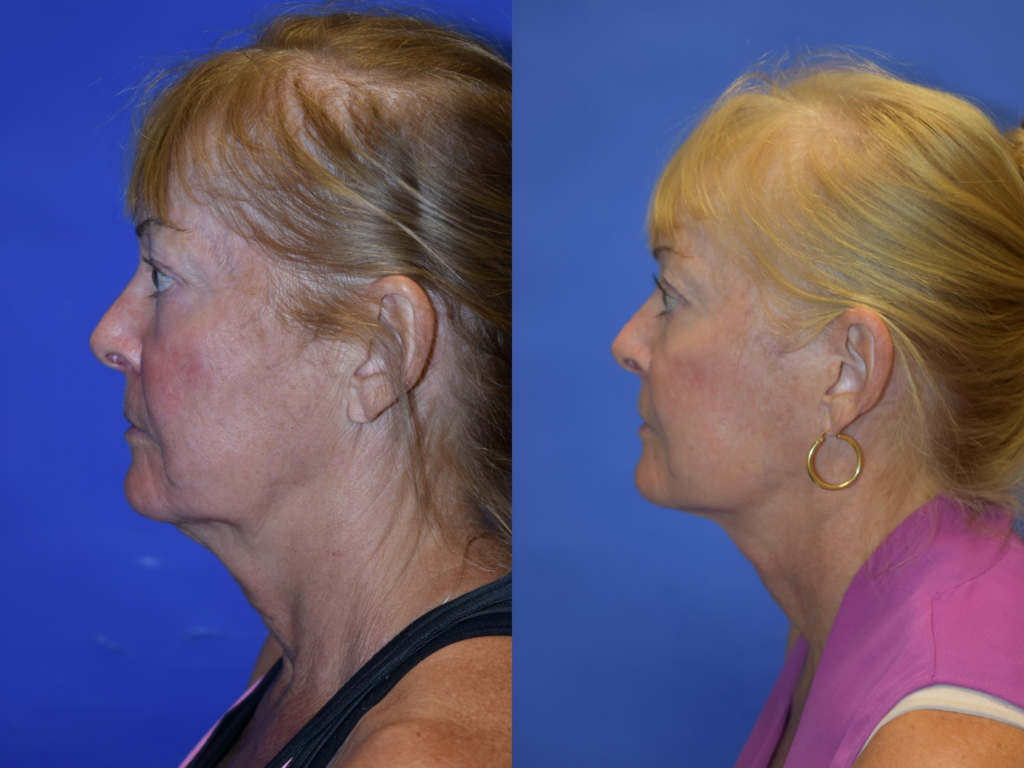
This approach treats the cause of facial aging rather than its surface signs. Because the skin carries less tension, it heals with fewer visible signs of surgery. Facial layers stay connected, so expressions still look like the patient’s own.
Why the Direction of the Lift Matters
Facial tissue descends over time, so pulling it backward can distort a person’s features. Dr. Douglas Stevens performs a vertical vector technique that lifts tissue upward instead. This restores fuller cheeks and a cleaner jawline while preserving the natural hairline, earlobes, and mouth corners.
Why Do Modern Facelift Results Last Longer?
Deeper support layers hold the lift instead of stretched skin, so results stay stable far longer. A facelift does not stop aging, but it resets the clock in a way that injectables and thread lifts cannot match. Most people return to work and social plans within 10 to 14 days. Prospective patients can see natural-looking facelift results in the practice’s before-and-after gallery.
In-Office Surgery Is Changing the Patient Experience
Advanced facelift techniques have also changed where surgery takes place. At Stevens Facial Plastic & Laser Center in Fort Myers, most facial rejuvenation surgery is performed in-office under local anesthesia. Patients avoid many surgery center fees, general anesthesia, and the hassle of coordinating care across facilities.
Why Surgeon Experience Shapes the Final Result
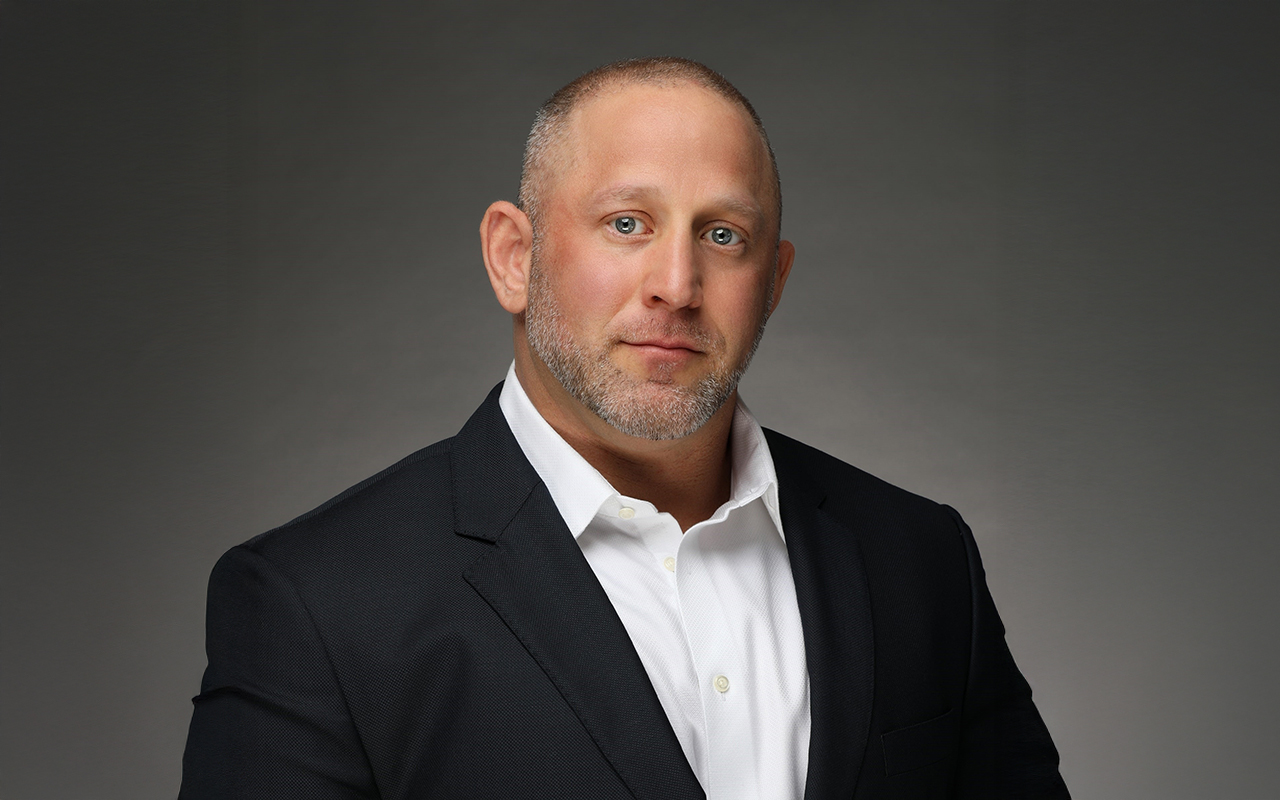
Deep plane surgery works close to delicate facial structures, so training matters. Dr. Douglas Stevens is board certified by both the American Board of Facial Plastic and Reconstructive Surgery and the American Board of Otolaryngology Head and Neck Surgery. He has practiced in Fort Myers since 1997, following 12 years as a Navy surgeon, and has authored more than 40 published articles.
His philosophy is that people should notice a patient looks refreshed without being able to pinpoint why. Rather than chasing every crease with surgery, he softens small folds afterward with fillers and improves skin quality with fractional CO2 laser resurfacing. This layered approach keeps natural-looking facelift results from appearing overdone.
Exploring Modern Facelift Options in Southwest Florida
For adults noticing jowls, loose neck skin, or a softer jawline, today’s facelift offers a lasting alternative to temporary fixes. A consultation helps determine which approach best fits each person’s anatomy and goals. Stevens Facial Plastic & Laser Center welcomes patients from Fort Myers, Naples, Cape Coral, Bonita Springs, Port Charlotte, and Punta Gorda to explore its full range of facial rejuvenation options.