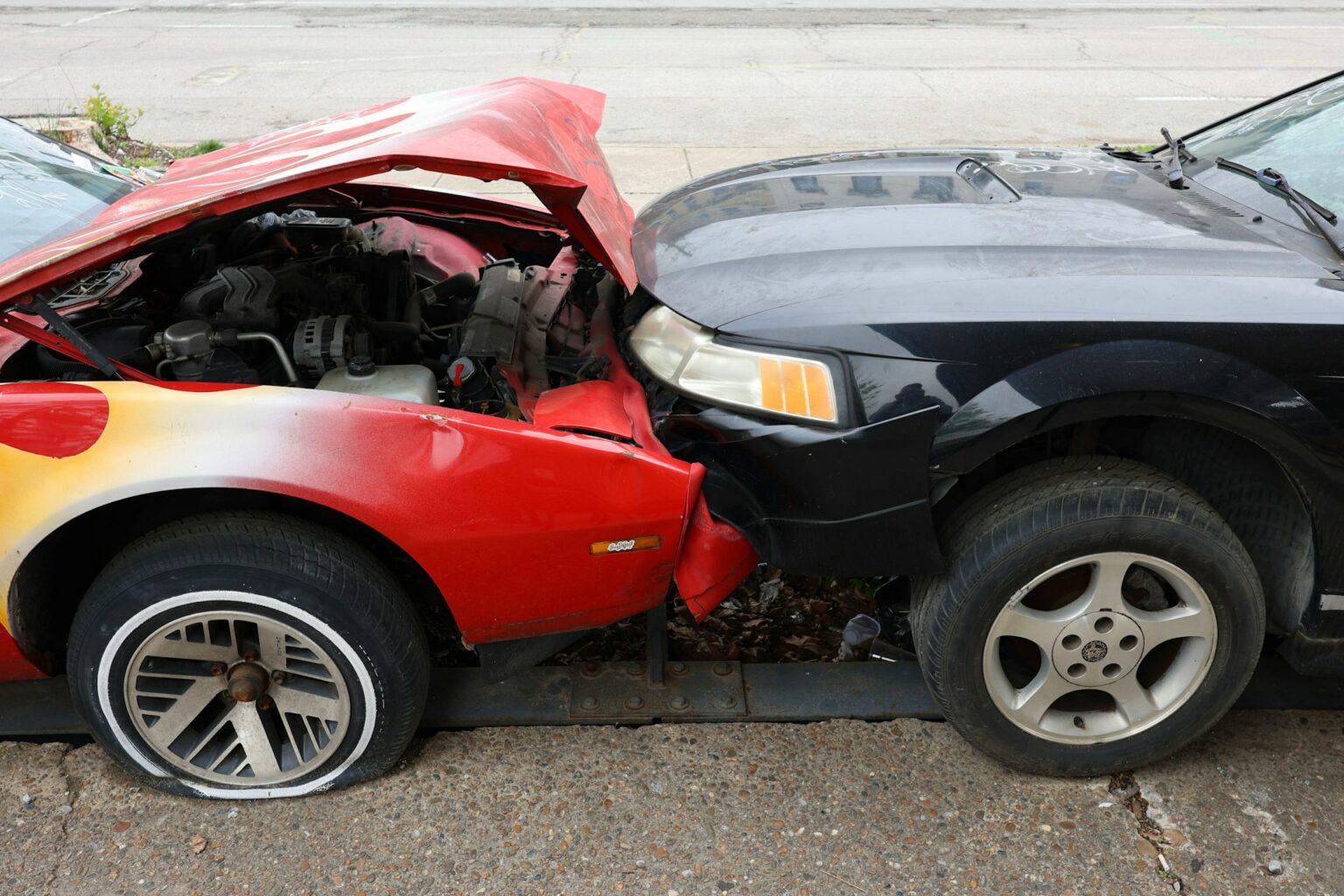
Few people are thinking about an insurance claim in the first hour after a crash or a fall. They are thinking about whether anyone is hurt, how to get the car off the road, and how to get home. Decisions made in that window, and in the days that follow, can shape a personal injury claim long before anyone files paperwork.
Jesse Davidson, managing partner of JD Injury Law in Boynton Beach, Florida, points to two mistakes above the rest: not getting medical treatment right away and admitting fault. Both are easy to make, and both can follow a claim all the way to settlement. Several related missteps tend to compound them.
Mistake One: Waiting to See a Doctor
Adrenaline can mask pain for hours. Neck and back injuries, concussions, and soft-tissue damage often take a day or more to produce noticeable symptoms, and many people assume the soreness will pass on its own. Davidson counts delayed treatment among the most common mistakes injury victims make.
For Florida car accidents, the timing carries a hard legal consequence. Under the state’s no-fault law, an injured person must receive initial medical treatment within 14 days of the crash to qualify for personal injury protection (PIP) benefits. Even within that window, PIP medical benefits are capped at $2,500 unless a qualified provider determines the person had an emergency medical condition, which opens access to the full $10,000 benefit.
Delay also hands the insurer an argument. When weeks pass between an accident and a first visit, an adjuster can claim the injury was minor or that something else caused it. Prompt treatment creates a medical record that ties the injury to the incident from the start.
Mistake Two: Admitting Fault at the Scene
Admitting fault is the other mistake Jesse Davidson of JD Injury Law flags most often, and it usually starts with good manners. “I’m sorry” or “I didn’t see you” can feel like the polite thing to say after a collision, yet statements like these can later be presented as an admission of responsibility. In many crashes, fault is unclear until the evidence is reviewed, and a driver who apologizes at the scene may not know the other vehicle ran a light or was speeding.
The same risk applies outside of car accidents. Someone who slips on a wet floor and tells a store employee they were not watching where they were going may later see that remark used to argue the fall was their own doing, even when the hazard was the store’s responsibility.
Fault carries more weight in Florida than it once did. Since 2023, the state has followed a modified comparative negligence rule: a person found more than 50 percent at fault for their own injuries cannot recover damages, and anyone with a smaller share sees their recovery reduced by that percentage. A careless admission can push that percentage in the wrong direction.
The safer approach is to stick to facts. Exchange contact and insurance information, call law enforcement, photograph the vehicles and the scene, and collect names and phone numbers from witnesses. Describe what happened to the responding officer without guessing about speed, distance, or blame.
Giving a Recorded Statement Too Early
Within days of a crash, an adjuster from the other driver’s insurance company may call and ask for a recorded statement. The call often sounds routine, but its purpose is to gather information the insurer can use to evaluate, and limit, its own exposure. Injured people are generally not required to give a recorded statement to the other driver’s insurer, and speaking before the full extent of an injury is known can lock in a description that later proves wrong. A person’s own policy may contain separate cooperation requirements, which is worth reviewing before any call.
Gaps in Treatment and Missed Appointments
Starting treatment promptly is only the first step. Skipping physical therapy, stopping care early, or letting weeks pass between appointments leaves gaps that insurers read as evidence the person had recovered. If an injury still hurts, the medical record should say so, and it only can if the patient keeps showing up.
Consistent care also gives the treating doctor what they need to document whether an injury is permanent. That determination can decide whether pain and suffering is available in a Florida car accident claim at all, since state law sets a permanency threshold for those damages.
Posting About the Accident Online
Social media posts are public evidence. Photos from a weekend outing, a comment about feeling better, or a post describing how the crash happened can all be found and used to question an injury or shift fault. The simplest approach is to stay quiet online about the accident and the injury until the claim is resolved. Privacy settings give limited protection, since posts can still be shared, captured in screenshots, or requested during litigation.
Waiting Too Long to Get Advice
Florida’s 2023 tort reform law cut the statute of limitations for most negligence claims from four years to two years for claims arising after March 24, 2023. Evidence fades well before that deadline: surveillance footage gets recorded over, vehicles are repaired, and witnesses become harder to reach. Talking with a Boynton Beach injury attorney early gives an injured person time to preserve that evidence and understand the claim before an insurer frames it for them.
How Jesse Davidson Helps Clients Avoid These Missteps
JD Injury Law handles personal injury cases exclusively, with direct attorney involvement throughout each case. The firm works on a contingency fee basis, so clients pay no legal fees unless compensation is recovered, and its free initial consultations give injured people a chance to review their options before deciding anything. For serious matters, the firm maintains 24/7 availability.
Most of these mistakes happen because people are hurt, shaken, and trying to be reasonable in an unfamiliar situation. Jesse Davidson’s guidance comes down to two habits that protect a claim from the first day: get medical care right away, and leave the question of fault to the evidence.